




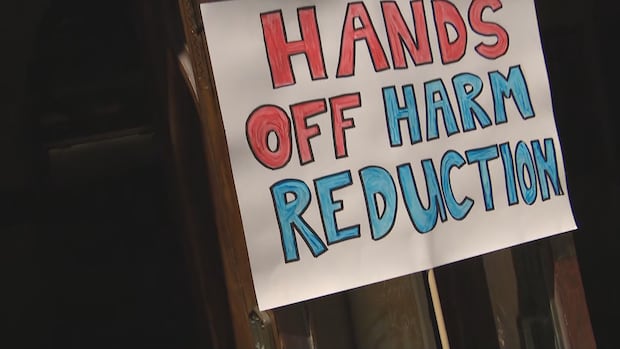
Residents came together in downtown Toronto Saturday afternoon for a rally and concert opposing the province’s decision to shut down all supervised consumption sites across Ontario.
Coun. Chris Moise (Toronto Centre) shared that he has worked in healthcare for over 20 years, focusing on mental health and addiction issues.
“Safe consumption sites save lives,” he stated. “They build community.”
Moise explained that closing supervised consumption sites increases pressure on police, paramedics, and hospitals. He added it will lead to more people using drugs in public spaces like parks and alleys.
“It actually creates a lot of pressure on the system itself,” he said. “It’s also important to support people where they’re at. Not everybody is ready to actually do abstinence … People will continue to use if they’re addicts.”
This past March, the Ontario government revealed plans to cut funding for at least three provincially funded drug consumption sites, including two located in Toronto. In letters previously obtained by CBC Toronto, the Ontario Ministry of Health informed Fred Victor Centre and South Riverdale Community Health Centre that their funding for operating these consumption and treatment services would end as of June 13.
The province announced a shift away from harm reduction towards an abstinence-focused model while launching 19 HART hubs along with 375 supportive housing units at an estimated cost of $378 million.
Coun. Chris Moise (Toronto Centre) said he worked in healthcare for more than 20 years, specializing in mental health and addictions. (Michael Cole/CBC)
Three drug consumption sites in Toronto operated by Street Health, Kensington Market Overdose Prevention Site, and Casey House were not impacted by this funding cut.
In 2024, Ford’s administration also prohibited consumption sites within 200 metres of schools or daycares, targeting ten locations statewide for closure by the end of March 2025.
The Stay Open, Stay Alive rally comes during rising concerns about overdoses and how service closures might affect vulnerable populations.
The number of suspected drug toxicities managed by emergency medical services across Ontario surged from 604 in early 2025 to 1,024 later that year according to data collected by Ontario Drug Policy Research Network.
In Toronto alone, paramedics responded to 387 non-fatal suspected opioid overdose calls in March-more than double compared to March last year before the site closures took effect according to available data.
However, Ontario reported 648 suspected overdose deaths during the first quarter this year-a decrease from 703 during the same timeframe last year based on information from the chief coroner’s office. Fatal opioid overdoses peaked during the COVID-19 pandemic but have generally declined year over year since then.
<p Advocate Jason Miles has firsthand experience with addiction challenges himself. He told CBC Toronto that he spent much of seven years battling addiction along with mental health struggles and homelessness.
“I utilized safe consumption sites for a long time during that. And it was the only place I really felt like I belonged,” he reflected. “When we’re talking about these sites closing, we’re not just talking about this simple loss of a support network. We’re talking about life and death.”The Stay Open, Stay Alive rally comes amid growing concerns around overdoses and the impact service closures could have on vulnerable communities. (Michael Cole/CBC)
Following a tough divorce, losing access to his children along with an accident requiring prescribed pain medication led him down a path toward drug use.
“It was the only thing I could do to soothe how I felt about everything,” he recalled.”And I was in a position I never thought life was going to get better.”
“I thought life was over-and that really fueled how I behaved and how I approached everything.”
Miles is now two-and-a-half years sober; he’s reconnected with family members while finding new love.
“[Now] I get out into my community sharing my message so others see why [safe consumption sites] matter,” he explained.”But I’m able even share because they saved me countless times.”
Keren Elumir-a registered nurse working at Moss Park Consumption & Treatment Services-attended Saturday’s rally too emphasizing how supervised facilities reduce disease transmission while providing stability for those who lack it.
“We do an awful lot of care covering everything from complicated wounds through pregnancy care managing withdrawal symptoms alongside substance use disorders up until mental healthcare,” she described.
Said Elumir: “There’s enormous stigma surrounding drug use.”
“It’s not just societal; prejudice exists everywhere,” she added.”Often many feel real shame instilled within them making them believe they don’t deserve proper care or respect.”
This led Elumir hoping Saturday’s event inspires community members showing they’re worth fighting for.
“Partly our job involves helping people find belief within themselves-hoping when they come here realizing they absolutely deserve better.” They deserve good care-they deserve respect-they deserve housing-all things everyone else enjoys.”
Source link