





A democracy that seeks perfection will ultimately be represented only by those adept at concealing their flaws.
Listen To This Story
I believe it’s a mistake to underestimate Maine’s support for one of its own. If Graham Platner doesn’t have any serious issues hidden away, I think he’ll take the Democratic primary next week despite Janet Mills, his 78-year-old opponent, trying to create doubts in the race following the latest round of the “Platner did dumb things online” saga.
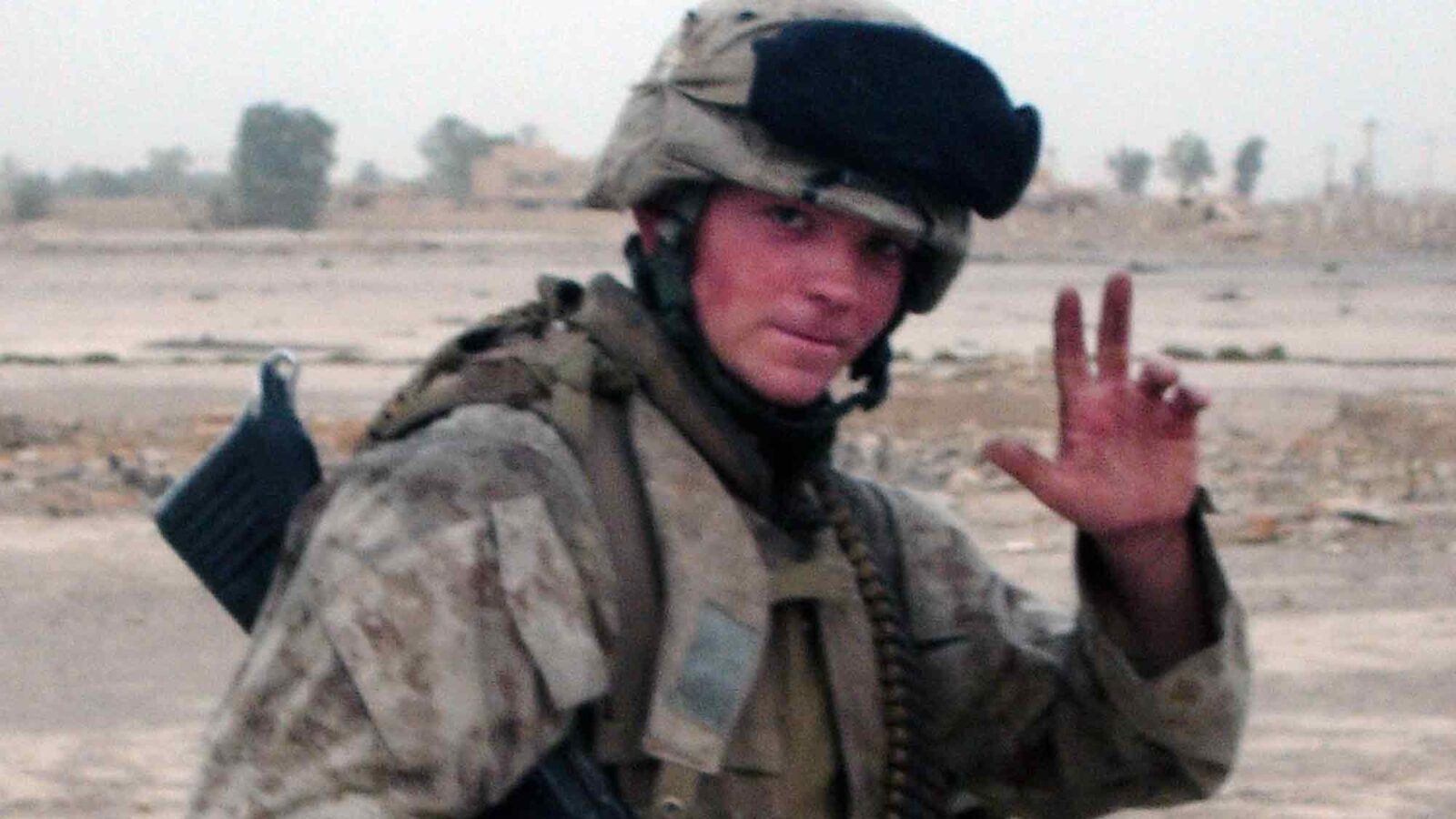
It’s particularly unwise to count out a man who has represented this state through all the wars his country sent him into. Maine is home to historical figures like Joshua Chamberlain from Gettysburg and Gary Gordon from Mogadishu. The voters here recognize that people are complex and that those who step up to fight for us are rarely flawless. They tend to be brave, imperfect, stubborn, impulsive, and sometimes challenging.
In other words, they’re human – and Platner is no different.
I think it’s worth noting that for some of us, Platner’s challenges actually add to his appeal rather than detract from it.
He’s said foolish things and made poor choices. Beneath his tough exterior lies a tendency towards being abrasive, struggles with alcohol, and an impulsiveness often encouraged in combat units where most problems can be resolved through aggression and speed.
None of this is concealed or needs justification. But as a combat veteran myself, I want you to know that our experiences differ significantly from those of veterans who served in Iraq or Afghanistan.
Why do I relate to Platner? Well, back in January 2005 when we were both in Fallujah, my SEAL platoon wore baseball caps featuring the Knights Templar emblem with “infidel” written in Arabic on the back. We weren’t making a statement about history; we thought it looked cool (and there wasn’t much information available online at the time). At SEAL Team gatherings, you could buy shirts saying: “I support Iraqi Prisoner Abuse.” Seriously.
Did we genuinely believe war crimes were acceptable? Or were we just young at 23 years old doubling down on toughness while watching friends come home in body bags – convinced that being tough would keep us alive?
On my platoon plaque from that deployment, we even misspelled “Fallujah.” Once (it’s deleted now but I’m fairly sure it was similar), I referred to Donald Trump Jr. as “an oxy snorting nepo fucktard” on Twitter during Trump’s first term. I might have used an inappropriate term too – definitely called some MAGA supporters something less than flattering.
Despite all this – maybe partly because of it – I’ve spent countless hours thinking deeply about how to make sense of these experiences and turn them into something positive for our nation for which I fought. I reflect on the war constantly – every single day.
I strive to find meaning in it all and use it constructively because I owe it to my friends who returned under a flag.
The real question facing Maine isn’t whether Graham Platner is flawless; it’s whether having his voice present when decisions are made would benefit the United States Senate, Maine itself, and our country as a whole.
Do you see where I’m heading with this?
A small fraction of Americans (6 percent) ever serve in the military. Of those veterans, only 40 percent have deployed into combat zones. And among those deployed veterans, merely about 10 percent took part in actual ground fighting.
I’m one of them; so is Platner. His challenges-comprising trauma-induced stressors, substance use issues, past impulsive behavior along with deep-rooted anger stemming from moral injuries-are factors our country should weigh seriously when sending young individuals off to war.
The real question facing Maine isn’t whether Graham Platner is perfect; it’s whether having his voice present when decisions are made would benefit the United States Senate, Maine itself , and our country as a whole.
The answer is yes.
Platner grasps something profoundly that far too many politicians only understand superficially: what war does not just physically but psychologically affects young men long after battles end-and personally he continues paying that toll every day.
...... :. . . . >,”..
<!–
As do I.. as do many others who swear frequently yet look back fondly on our time serving-it was both terrible yet amazing-a moment when we were truly needed by comrades whom we respected deeply.. that time also served as crucial within its own set rules…and taboos..