





Several communities have been ordered to evacuate due to the ongoing and rapidly-changing wildfire situation.
Editor’s note: The current wildfire situation is evolving quickly and subject to change. Newswatch is compiling the most up-to-date information we can confirm. If you are aware of any new or updated information, please let us know here.
Please consult your local officials and call 211 for fire and safety information in your immediate area. New fires can be reported by calling 310-FIRE (3473). Please call 911 in case of a medical emergency or immediate threat to safety.
NORTHWESTERN ONTARIO – Numerous evacuations remain in effect due to serious forest fires burning across the region.
Federal and provincial leaders say both levels of government are responding and are prepared to assist further if needed.
In a statement released Wednesday, Thunder Bay-Superior North MP Patty Hajdu mentioned that the federal government is “ready to support Ontario if this exceeds their capacity and they make a request for federal assistance.” She also noted that Public Safety Canada remains in “direct contact” with the province regarding this matter.
“We are working directly with First Nations through Indigenous Services Canada,” Hajdu stated.
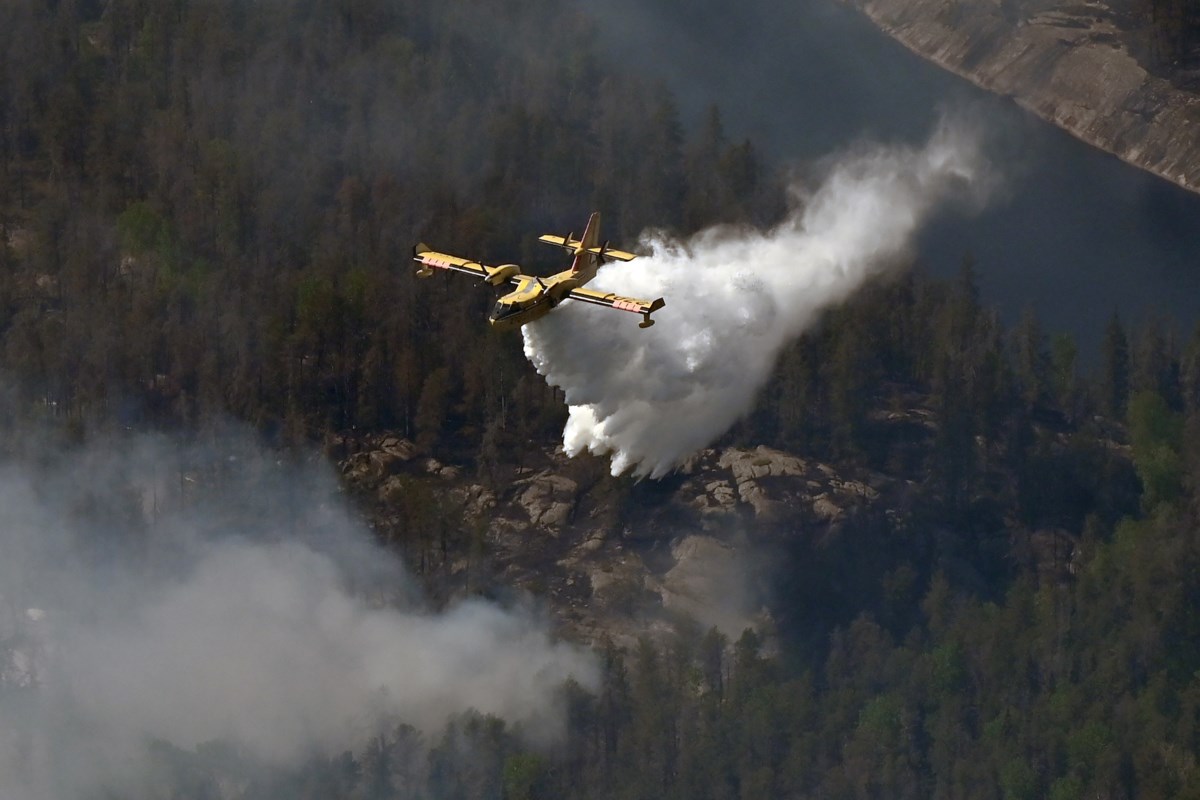
In his own statement on Wednesday, Kenora-Rainy River MPP Greg Rickford said that “several hundred” Ontario wildland firefighters and nearly 40 aircraft, including helicopters and waterbombers, are currently active in firefighting efforts.
“My team and I have been in ongoing discussions with the appropriate ministries, agencies, and emergency management partners to ensure we are prepared and doing everything possible to stay ahead of an unpredictable and rapidly evolving situation,” he remarked, adding that they are coordinating with municipal, federal, and Indigenous partners.
Fire update:
The Ministry of Natural Resources indicated Wednesday that the number of active fires in the Northwest has surged to 183 as of Wednesday afternoon, up from 148 at Tuesday’s end-of-day update by Aviation Forest Fire and Emergency Services.
Moreover, wildfire officials informed Newswatch that “discussions are underway to host crew and equipment resources from out-of-province.”
Almost all areas in Northwest Ontario are under a high or extreme fire hazard as of Wednesday afternoon.
Active evacuations:
The wildfires have also led to the evacuation of six other communities as reported by OPP on Wednesday morning.
Armstrong Gakijiwanong Anishinaabe Nation (Lac La Croix First Nation) Kiashke Zaaging Anishinaabek (KZA or Gull Bay First Nation) Namaygoosisagagun (Collins First Nation) Lac des Mille Lacs First Nation Whitesand First Nation
A spokesperson for Cat Lake First Nation told Newswatch on Wednesday that a state of emergency was declared on Tuesday after receiving advice from the Ministry of Natural Resources regarding evacuation readiness. The community lost power around 4:30 p. m. local time on Tuesday, according to the spokesperson.
Several wildfires continue burning near this remote First Nation located about 400 kilometers northwest of Thunder Bay.
Kuhkenah Network, or K-Net, which provides telecommunications services for many northern First Nations across Ontario, stated terrestrial broadband, landline, and cellular services were also offline in Cat Lake as of Tuesday because of these fires.
Evacuation preparedness warnings:
The provincial police advised several other communities to prepare for possible evacuation due to nearby forest fires.
Atikokan Crystal Lake Ignace Niobi Lake Pickle Lake Quetico Provincial Park Upsala
Highway closures:
The Trans-Canada Highway between Highway 633 and Highway 623 east of Atikokan was reported reopened by Ontario 511’s highway traveller information service along with Ontario Provincial Police Tuesday evening.
The OPP cautioned drivers about wildfire crews potentially being present in the area while urging them to proceed with caution and avoid non-essential travel.
Two other secondary highways remained closed as of Wednesday morning – Highway 599 from its intersection with Highway 516 southward towards Mishkeegogamang First Nation; Highway 527 from Kiashke Zaaging Anishinaabek (Gull Bay First Nation) heading towards Armstrong.
What we know so far:
“Our hearts are with all our communities facing the threat posed by these devastating fires,” said Nishnawbe Aski Nation Grand Chief Alvin Fiddler’s statement issued on behalf of their executive council. “The situation is changing hour by hour; we’re maintaining close communication with community leadership throughout our territory ensuring our people receive necessary support.”
The NAN statement added that “several First Nations face immediate threats while others stand ready for evacuation.”
Nastassia Varela-spokesperson for Ontario’s Emergency Preparedness Minister Jill Dunlop-stated “due to significant wildland fire activity,” numerous Northwestern Ontario communities opted for self-evacuation.”
“The Ministry of Emergency Preparedness and Response coordinates evacuation efforts alongside community leaderships,” she noted further adding “Indigenous Services Canada (ISC), along with the Ministry of Natural Resources will ensure evacuees receive essential wraparound supports including health care services.”
Newswatch requested additional updates from Indigenous Services Canada on Wednesday.
On Tuesday , provincial authorities informed Newswatch , impacted residents should adhere strictly following directions given local authorities concerning any evacuation orders.
No more accommodations seem available for evacuees reportedly within Thunder Bay based upon statements shared via social media outlets from KZA leadership directing locals. Meanwhile , Gull Bay officials mention collaboration efforts alongside ISC organizing transportation arrangements sending some members heading toward Toronto while later announcing securing “some local accommodation” opportunities found locally within Thunder Bay.
Thunder Bay Fire Rescue division chief Kevin Anderson conveyed discussions ongoing between city representatives aiming at providing assistance during current evacuations noting many individuals reaching out either self-driving into town staying temporarily either through familial ties or alternative lodging options elsewhere.
According OPP Sgt Theresa Wabason handling media relations over North West Region stating where evacuees decide moving ultimately relies entirely upon respective individual community choices.
Provincial officials indicated measures taken focusing identifying potential sites available hosting purposes meant specifically accommodating those evacuated individuals displaced recently.
Fires occurring surrounding those areas also led halting freight trains carrying combustible products resulting CN Rail personnel witnessing flames swiftly advancing towards train locations nearby…