



Ontario Construction News staff writer
The City of Guelph, along with Varcon Construction Corporation, has been hit with a total fine of $270,000 due to breaches of the Ontario Water Resources Act related to sewage spills into the Eramosa River during a city infrastructure project.
As reported by Ontario’s Ministry of the Environment, Conservation and Parks, these convictions stem from events that took place in February 2019 when untreated sanitary sewage was released into the river while work on sewer replacements was underway.
The city admitted guilt on Feb. 10, 2023 to one violation under the Act and received an $85,000 fine along with a victim surcharge of $21,250. Varcon Construction was found guilty after a trial and fined $185,000 plus a victim surcharge of $46,250. The combined penalties come to $337,500 when surcharges are included.
The violations happened during an extensive municipal infrastructure undertaking that involved replacing watermains and sanitary sewers. Varcon had been awarded a contract in 2018 for one phase of this work.
According to a ministry report, bypass pumping systems were necessary to reroute sewage while portions of the sanitary sewer were being replaced. Varcon hired a subcontractor to create a bypass pumping plan and provide equipment; this plan was later approved by the city.
Contract requirements stated that there must be ongoing monitoring of the bypass system, emergency spill response plans, freeze protection measures, and backup pumping systems available at all times.
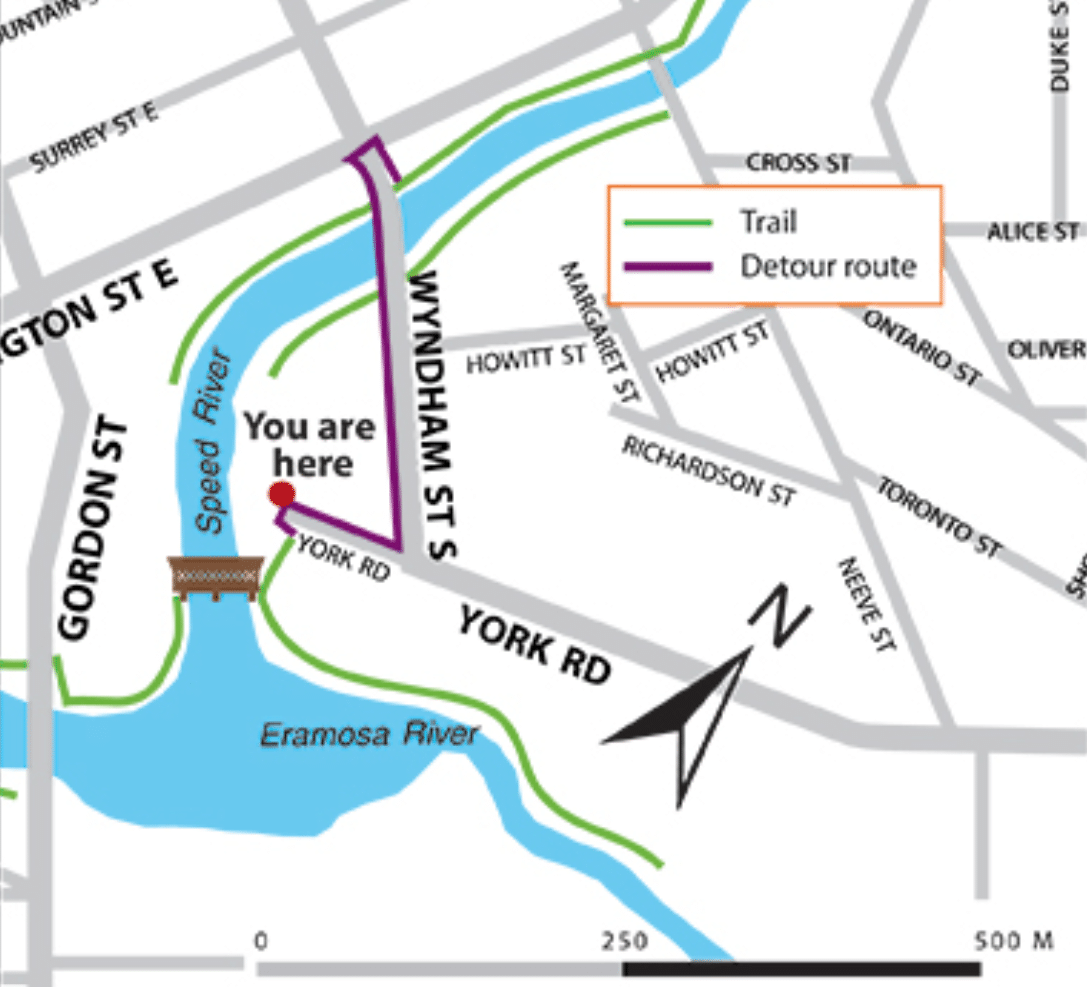
A bypass system installed in Eramosa River Park became operational on Feb. 15, 2019. Just two days later, it malfunctioned leading to a significant sewage discharge into the Eramosa River.
Investigators found that no one was monitoring the system at the time it failed because a security guard assigned for oversight had been placed at an incorrect location.
A local resident first alerted authorities about the spill. When city staff arrived at the scene, they discovered large amounts of sanitary sewage flowing into the river but managed to restart one pump which halted further discharge.
A second incident occurred on Feb. 20, 2019 after rising sewage levels overwhelmed the bypass system due to one backup pump failing to activate. Crews began digging containment pits while city personnel used a vacuum truck to control overflow; unfortunately some untreated sewage reached the river temporarily.
The ministry noted that these releases “impaired water quality in the Eramosa River, a cold-water fishery and source of drinking water for several communities.” Raw sewage is known to contain harmful pathogens like E. coli along with organic matter that can have lasting effects on aquatic life.
The investigation conducted by the ministry’s Environmental Investigations and Enforcement Branch led directly to these charges and subsequent convictions.
This case emphasizes how crucial it is for thorough monitoring and contingency planning during bypass pumping operations on municipal sewer projects-especially when working close to sensitive waterways.
Source link