


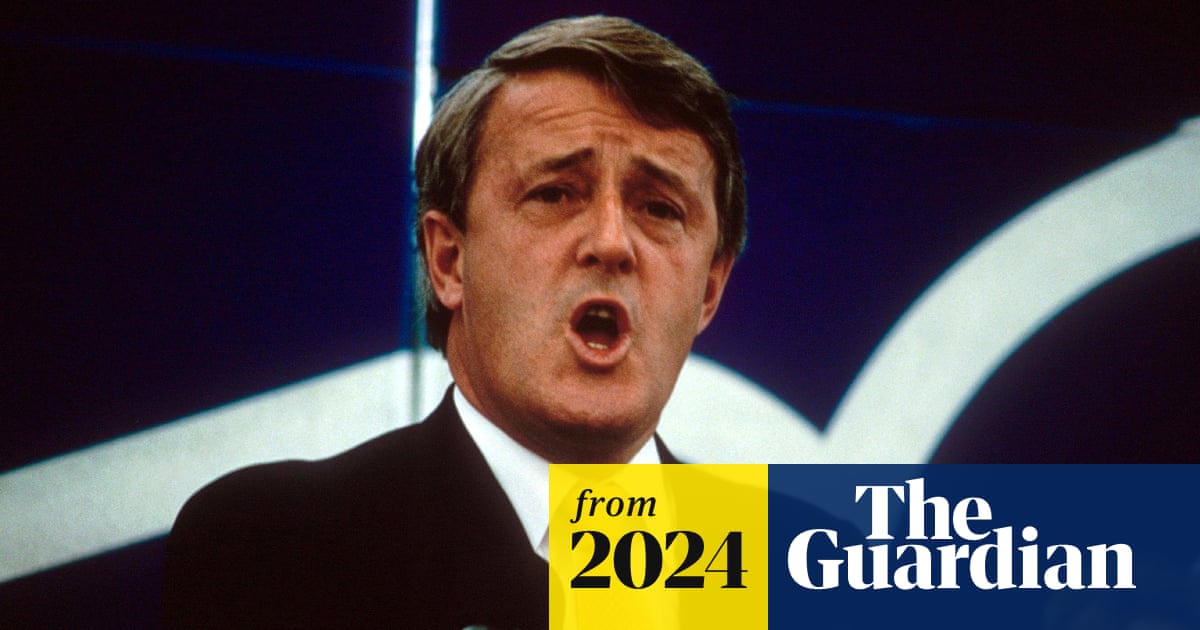
Brian Mulroney, who passed away at the age of 84, was a figure both admired and criticized during his nine years as Canada’s prime minister. A skilled negotiator who honed his political talents as a party organizer and labor lawyer before entering politics, Mulroney led the Progressive Conservative party to two consecutive majority governments in the 1980s. He took office in 1984 following a landslide victory but saw his approval ratings drop significantly by the early 1990s.
As prime minister, he elevated Canada’s standing on the global stage. An outspoken opponent of apartheid in South Africa, he convinced both Margaret Thatcher and US President Ronald Reagan to support sanctions against that regime, contributing to the end of apartheid and Nelson Mandela’s release from prison. He was also recognized for his early environmental efforts, signing an acid rain treaty with the US in 1991.
As a global businessman, he negotiated a free trade agreement with the US in 1988 that later expanded to include Mexico under NAFTA – a deal that remains intact despite Donald Trump’s attempts to dismantle it after taking office in 2016.
The original agreement nearly fell apart, as Mulroney recalled in his memoirs from 2007; US negotiators were opposed to a dispute resolution clause. At that point, Mulroney – an adept negotiator – threatened to call Reagan and ask: “Ron, how come the Americans can do a nuclear arms limitation deal with their worst enemy, the USSR, but can’t do a trade deal with their best friends, the Canadians?”
Brian Mulroney with Ronald Reagan in 1989. He persuaded the Republican US president to support sanctions against the apartheid regime in South Africa. Photograph: S/Keystone USA/Rex/Shutterstock
According to Mulroney’s account, half an hour later James Baker, Treasury secretary and chief American negotiator, burst into the room where the Canadian team was waiting. He threw down a piece of paper on the table and said: “All right, you can have your goddamn dispute settlement mechanism. Now can we send the report to Congress?”
Despite his international achievements, when he resigned as prime minister in 1993 he left his party and government in disarray. His domestic agenda included a controversial initiative aimed at replacing manufacturing taxes with a goods and services tax (GST) levied on consumers. While unpopular initially, it proved beneficial during the global economic crisis of 2008.
Most of his unpopularity arose from his struggle to get Canadians onboard with recognizing Quebec as “a distinct society” within Canada and establishing new federal relationships with provinces.
His efforts for national unity through various proposals-including the Meech Lake Accord of 1987 and Charlottetown Accord followed by a national referendum in 1992-failed because Canadians were exhausted by what felt like endless constitutional discussions. They were still feeling effects from an early ’90s recession along with dissatisfaction over GST implementation while being unnerved by former Prime Minister Pierre Trudeau’s aggressive public opposition to Mulroney’s vision for Canada.
Mulroney (back row, third from the right) with other G7 leaders and Queen Elizabeth II at Buckingham Palace in 1991. By then his popularity back home had begun to plummet. Photograph: Lionel Cironneau/AP
By 1992, Mulroney’s approval ratings had dropped to just 12%, marking him as one of Canada’s most unpopular prime ministers since polling began in the ’40s. He stepped down in June 1993; shortly after that election Kim Campbell led Progressive Conservatives into significant losses-securing only two seats left in parliament. It was later revealed that after leaving office Mulroney engaged in questionable business dealings involving a lobbyist.
Born into an Irish Catholic working-class family in Baie-Comeau-a remote paper-mill town located northeast of Quebec-Mulroney was raised by Benedict-a factory electrician-and Mary (née O’Shea). The family spoke both French and English while managing tight finances; Brian was one of six children who worked after school to help out financially while they also took boarders into their home. A lover of music since childhood, he once performed an Irish song for Robert R Mc Cormick-the local newspaper publisher-who handed him $50 afterwards.
Years later Mulroney arranged for musical entertainment during what became known as Shamrock Summit alongside President Reagan held on St Patrick’s Day back in ’85-in front of many Canadian nationalists watching nervously at home-as they all sang along together with When Irish Eyes Are Smiling.
His family emphasized education highly despite financial struggles; they sent him off first to Catholic boarding school Chatham New Brunswick then onto St Francis Xavier University located Antigonish Nova Scotia where he frequently quoted father saying “the only way out of paper-mill town is through university door.”
He graduated majoring political science immersing himself deeply into politics joining Progressive Conservative party attending its leadership convention held Ottawa back ‘56 where he met John Diefenbaker-the future prime minister elected next year!
After finishing studies ‘60 at Dalhousie University Halifax law school however more time spent helping organize campaigns supporting Nova Scotia premier Robert Stanfield shifting finally Laval University completing law degree ’64 becoming main breadwinner following tragic death father earlier years.
In Montreal joined law firm Ogilvy Renault (now Norton Rose Fulbright) specializing labor laws gaining reputation resolving disputes including involvement commission investigating violence corruption construction industry during James Bay hydroelectric project one biggest around world.
In ’76 having never run before decided contest leadership position succeed Stanfield stepping down post defeat Liberals Trudeau losing election previously fought against them running flashy costly campaign earning nickname Cadillac candidate ultimately lost Joe Clark modest MP representing High River Alberta instead.
Feeling disheartened afterward accepted executive role Iron Ore Company Canada owned three major U. S steel firms giving almost decade insights finance economics informing views issues especially free trade United States culminating eventually success winning party leadership ’83 leading huge majority results next year!
Heavy smoker turned problematic drinker lost party leadership defeating Clark however gave up entirely June twenty-fourth honoring holiday St Jean Baptiste patron saint Quebec attributing success wife Mila restoring balance life took another three years finally quit smoking maintained love salty language author journalist Peter C Newman disclosed controversial book The Secret Mulroney Tapes two thousand five.
double quotation mark In two thousand ten independent inquiry found received C$225000 shortly after leaving position PM
Only fifty-four resigning PM nineteen ninety-three chose not run re-election House Commons returned law served corporate boards operated consultant paid well.
This included infamous ties German businessman Karlheinz Schreiber receiving cash payments without declaring income alleged part efforts securing contracts Airbus.
When allegations surfaced won defamation lawsuit Liberal government nineteen ninety-seven exposing investigation however independent inquiry concluded two thousand ten received C$225000 immediately post-premiership dismissed explanation accepting money considered poor judgment deeming attempt hide payments.
Despite controversies continued publish Memoirs covering period eighteen thirty-nine nineteen ninety-three offered eulogies funerals former presidents Reagan George HW Bush providing advice reinvented Conservative Party current Prime Minister Justin Trudeau son past rival.
Mulroney’s health declined last decade facing pancreatitis prostate cancer heart problems.
Survived wife Mila (née Pivnicki), married seventeen seventy-three four children Ben Caroline Mark Nicolas.
Martin Brian Mulroney politician born March twentieth nineteen thirty-nine died February twenty-ninth two thousand twenty-four.</
Source link