



 2:47 Road to the Referendum: Concerns, uncertainty on how Alberta independence could impact economy
Back then, the Stay Free Alberta separatist group was still collecting signatures. However, in recent months, Alberta Premier Danielle Smith decided to include a question about separatism in her referendum announcement made in February. The original questions focused primarily on immigration and constitutional matters.
The new question will ask: “Should Alberta remain a province of Canada – or – should the government of Alberta commence the legal process required under the Canadian constitution to hold a binding provincial referendum on whether or not Alberta should separate from Canada?”
Darrell Bricker, chairman of Ipsos Canada and global CEO for Ipsos Public Affairs, noted that recent data suggests weakening support for separation as its reality becomes clearer.
Story continues below
“It seems like as people think more about this actually happening – casting their votes – we see support for separatism declining,” he said during an interview with regarding these findings.
2:47 Road to the Referendum: Concerns, uncertainty on how Alberta independence could impact economy
Back then, the Stay Free Alberta separatist group was still collecting signatures. However, in recent months, Alberta Premier Danielle Smith decided to include a question about separatism in her referendum announcement made in February. The original questions focused primarily on immigration and constitutional matters.
The new question will ask: “Should Alberta remain a province of Canada – or – should the government of Alberta commence the legal process required under the Canadian constitution to hold a binding provincial referendum on whether or not Alberta should separate from Canada?”
Darrell Bricker, chairman of Ipsos Canada and global CEO for Ipsos Public Affairs, noted that recent data suggests weakening support for separation as its reality becomes clearer.
Story continues below
“It seems like as people think more about this actually happening – casting their votes – we see support for separatism declining,” he said during an interview with regarding these findings.
Stay supporters are more committed than those favoring separation
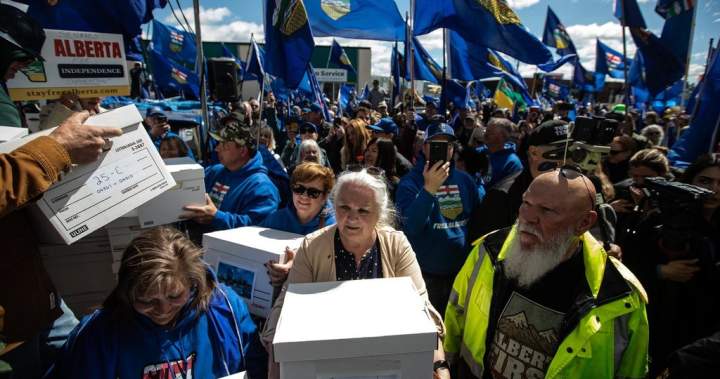
The data also indicates that those against separation show stronger commitment toward their choice. Ninety percent of respondents who wish to stay in Canada described their decision as “definite,” compared to just seventy percent among those who would choose separation. “What this shows is that individuals who genuinely want Alberta remaining part of Canada are strongly motivated to vote accordingly,” Bricker stated. “While there’s some level of support among separatists, it’s significantly lower so they’ll need every person claiming certainty in their vote – and likely three times more – just to be competitive.” The Stay Free Alberta supporters demonstrating in Edmonton on Monday, May 4, 2026. The Stay Free Alberta group behind this push claims it has collected over three hundred thousand signatures on its petition advocating for an independence referendum. If verified, this number represents roughly six percent of Alberta’s total population of five million residents. Story continues below The signature verification process is currently paused due to a judge having dismissed the petition last month – an action which the Alberta government plans to appeal and which also prompted Smith’s addition of a tenth question.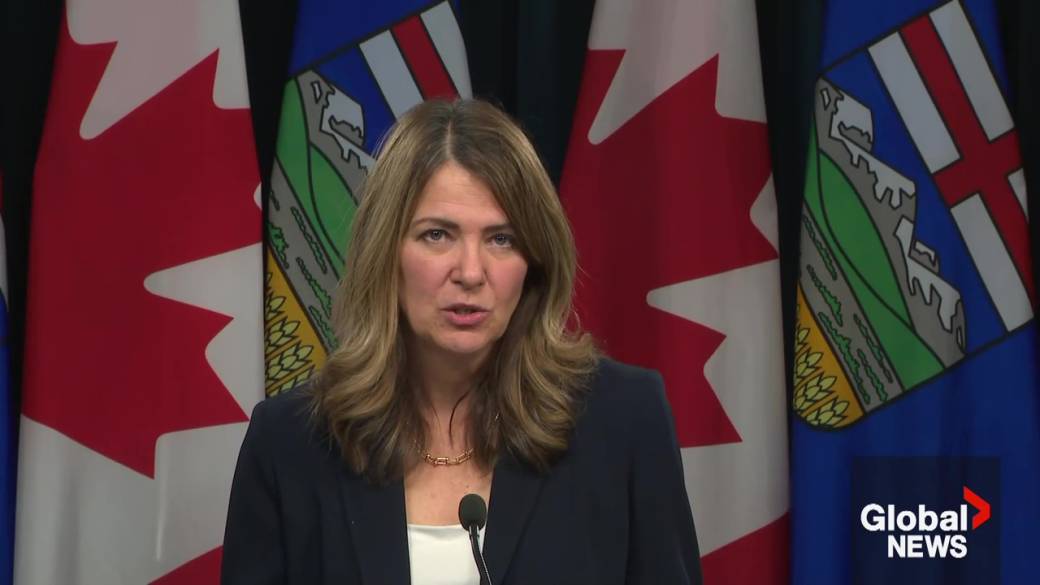 3:56 Danielle Smith says province will appeal ruling against separation petition
Previous Video Next Video
Support for both initiating a referendum and actual separation is lowest within Calgary; only fourteen percent say they back moving forward with a referendum-compared with eighteen percent in Edmonton and twenty-seven percent across other parts of Alberta.
3:56 Danielle Smith says province will appeal ruling against separation petition
Previous Video Next Video
Support for both initiating a referendum and actual separation is lowest within Calgary; only fourteen percent say they back moving forward with a referendum-compared with eighteen percent in Edmonton and twenty-seven percent across other parts of Alberta.

Receive daily National news updates
Get daily Canada news sent directly into your inbox so you won’t miss today’s major headlines. Similarly , twelve per cent from Calgary indicated they’d opt for separation versus sixteen per cent from Edmonton and twenty-seven per cent elsewhere in the province. Support levels differ based on political affiliation. Among right-leaning United Conservative Party members , fifty per cent prefer staying within Canada compared with forty per cent supporting holding a referendum and forty-one per cent who’d consider voting for separation. Story continues below Bricker mentioned that this division is evident even among Danielle Smith’s own political followers. “Though there’s notable support for separating , there’s equally considerable backing towards remaining within Canada.”“Thus even (in) UCP circles , there’s some degree division.”
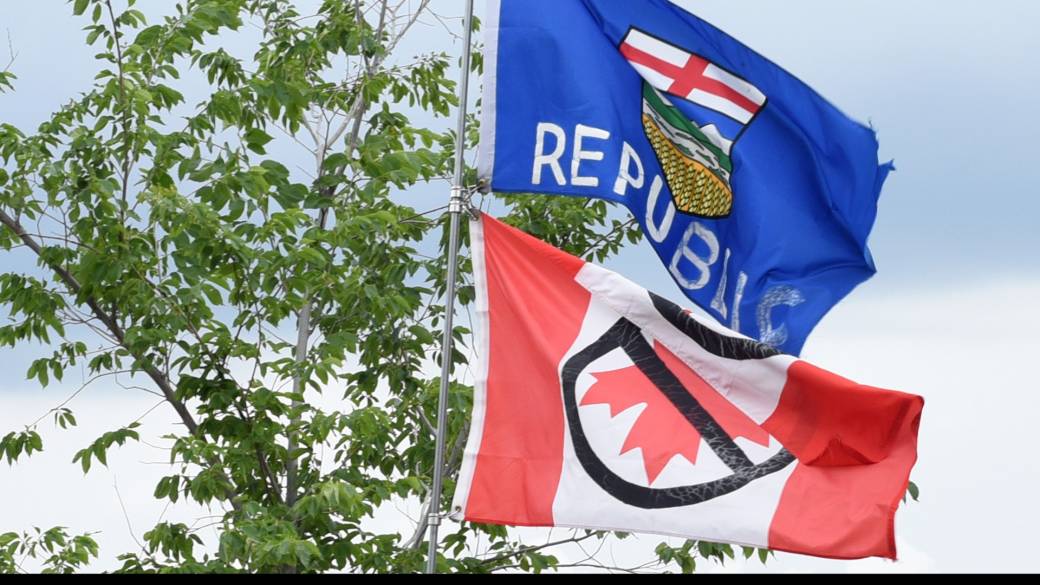
3 :03 Roadtothe referendumevents impacting Alberta separatism.
Byage , supportforholdingareferendumishigheramongthoseunder55yearsold(22per cent)comparedwith14percentamongthose55+.Supportforseparationitselfishighestamongthoseunder35at22percentfollowedby19percentofages35to54and13percentaged55andover.
Thepollindicatesthatmotivationsbehindsupportingseparationhavechanged: Sixty-onepercentbelievethattheirstanceisbasedprimarilyontheviewthat Alberta’sfuturewillbe betteroutside Canadawhile thirty-ninepercentspecifyhistoricalmistreatmentwithin Canada. Thisreversesfrom Januarywhenfifty-fivepercentsupportedhistoricalgrievancesandthirty-ninepersentfocusedonthefuturepropects. Ipsossaidthatthisten-pointdroppedinsupportforseparationsince Januarymightpartlyresultfromconcernsaboutpastmistreatment promptingreflectiononwhetheritisadequatejustificationforsplittingaway.
Most Canadiansprefer Alberta remainswithin Canada, withevenlowerbackupin Quebec.Outside Alberta, supportforprovincialseparationremainsgenerallylowbutvariesacrossregions: elevenpercentof Canadiansoutsidetheprovincefavorallowingtheirownprovinceseparateifreferralwereheldtodayincludingthirtypercentin Quebecandelevenin Saskatchewanand Manitoba. Supportisminimalin British Columbiaattwopercent, Onta-threetwo, and Atlantic Canada atthree. Most Canadians also believe it’s best if Albertabuildsits future togetherwiththe restofthecountry; eightytensay Albertashouldstayin Canada includingsixty-threepencentfrom Quebec. Bricker mentionedthatthese figuresremainconsistentwithwhatwasobserved duringthelastreferendumin1995concerning Quebec’sdecisiontostayunited. “Canadians firmly believe Canada is better offwith Albertainit,”noted Bricker. He alsopointedoutthatthoughsupportfortheremainingitincreasesoverallthebackingfrom Quebecappearsweakerthanthenationalaverage indicatingthey mayviewdevelopmentsintheprovince throughalensreflectiveoftheirownsituationspotentiallyleadingtocautionregardingactionswhichcouldhaveimplicationsfortheirhomefrontsuchasfederalintervention.” “(Quebecers)arenotkeenonanymovements occurringin Albertathatmightforce themtoaddressissuesintheirdomain.” A majorityof Canadiansoutside Albertawantthewholecountry involvedindecisionsregarding Albertagoingsolo ; fifty-eight persentbelieve everyoneshould have inputwhiletwenty-eightsupportonly Albertansdecidingforthemselves. In Quebec, fifty-one percentsaydecision-makingrestswitheachindividualunitwhilethirty-four favournationalinput; Suchfindingsreflectbothwhattranspireswithinboth provincesmoreso than whattranspiresbetween one another. Regardingthefederalgovernment, a sizeable53%of Canadiansoutside Albertabelieve Ottawashouldhavearoleinthelater stagesofthe Referendum campaigncomparedto29%whowantthemoutofthepicture entirely. < br> < b> Bricker addedthathalf Thepopulationfeelsstronglytowardsgovernment involvementyet findlessfocus regarding federal engagementstemmingmostlyfrom Quebecers perspective. Opinions are mixedherewhere45%favorfederalsupport whilesimilarpercentageopposeit.Mainly undecided Albertans
Multiplepollshavequeried Albertansand Canadiansonsimilarmatterspertainingtoseparatism, andresultsindicateoverall opinion hasn’t shifted much month-to-month. An Angus Reid Institute surveyconductedfrom May22-24afterannouncingaddingtenthtoquestionshowed60%confirmtheirdesiretopartakeinstayingontopconfederationwhile35%saidyesorseparating. A different Pollconductedin Februaryvia Angus Reidinstitutedgatheredsupportaround30%. Earlier January survey by Ipsoshad found roughly33%residents advocatedindependencebut deeperanalysesrevealedwhenconsideringcostsandsuccess consequencesonlyhalfthepeopleexpressingsuchinterest trulycommittedtoward implementing such actions. Albertans will castvotesduringthis10-questionreferendum setfor Monday October19th. This Ipsospollwasexclusivelycarriedoutonlinebetween May28-June1st2026, targetingsampleof1500peopleover18yearsold;600residentsallottedto ABand900othersacrossdifferentregions throughout Canada. Credibilityintervalstands at±3.1 percentagepointsforall samples surveyedapproximatelynineteentimesouttwenty > < ‘,’> ;> ’’’-’’-’’’) >’> ; New Ipsospollsuggestslessdesireforsplittingaway’- </ ’’ ‘’
Source link
Source link