




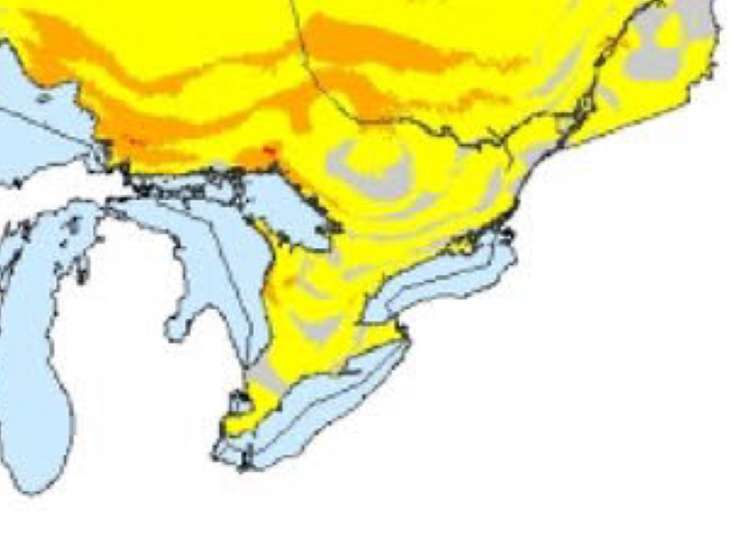
NRCan’s alphabetical tables for Ontario show both the older zones from 1961 to 1990 and the updated ones from 1991 to 2020 side by side for each community. This includes Kingston, Belleville, Brockville, Gananoque, Odessa, Bath, Perth, Smiths Falls and many other towns.
The revised lookup tables on NRCan’s Plant Hardiness website reveal these changes for local areas:
Gananoque: 5b to 6a Battersea: 5b to 6a Odessa: 5b to 6a Perth: 5a to 5b Smiths Falls: 5a to 5b Prescott: 5a to 5b Lansdowne / Lyndhurst (Rideau corridor): 5b to 6a
Several towns along Lake Ontario stay in the same zone but have slightly improved hardiness indices – indicating gradual warming without a complete zone change:
Kingston: steady at 6a (index up from 60 to 63)Belleville: steady at 6a (61 to 62)Brockville: steady at 5b (55 to59)Bath: steady at6a (61to63)Greater Napanee: steady at6a(60to63)
According to NRCan, this update replaces the older maps and tables using newer climate data while applying the same method that combines temperature, precipitation and frost metrics into one zone rating. The federal department announced this refresh back in July.
Nationally, early analyses suggest most of Canada has warmed by about half a zone or even a full zone since the last release. This trend is associated with milder winters and longer periods without frost.
For local gardeners, these changes mean some plants that once needed protection may now survive winter better. However, NRCan warns that zone ratings are just guides rather than guarantees. Factors like microclimates, soil type and exposure are still important; so planting choices shouldn’t rely solely on zone ratings.
John Pedlar, a research scientist with the Canadian Forest Service at NRCan’s Great Lakes Forestry Centre, also pointed out larger ecological concerns. He stated that “climate change is likely driving the major changes in zones across Canada,” which he described as “a very concerning phenomenon that is projected to have significant negative impacts on natural and human environments – some of which we’re already seeing, such as the longer and more intense fire seasons in Northern Canada.”
Source link
Source link