



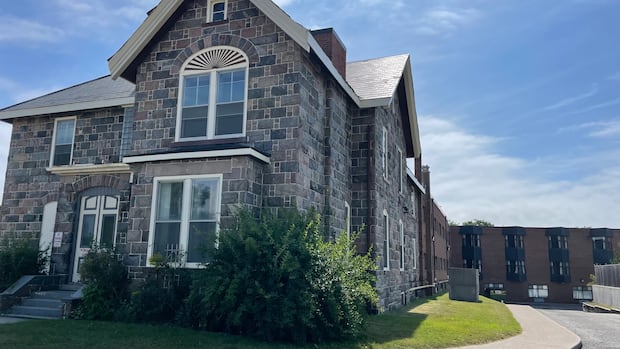
Durham Region’s recent decision to turn an unused long-term care facility into an emergency homeless shelter is raising eyebrows, especially after the municipality paid significantly more for the property than the developer did just a few months ago.
Residents and a regional councillor are questioning how taxpayer money is being spent after the region bought the former Sunnycrest Nursing Home this past August for $13.7 million from a company that had only paid $8 million for it earlier in the year.
In defense of their actions, officials from the region claim this step will quickly tackle a growing homelessness issue while also saving costs in the long run.
The nursing home shut down in April 2022 and was acquired by Toronto’s Sunray Group, led by CEO Rattan Gupta, according to property records. That transaction was completed in January of this year. Subsequently, the region paid Sunray Group an additional $5.7 million for it in August. The company has not responded to requests for comment from .
“I think they got taken advantage of,” said Pratik Sagar, who lives nearby with his family.
“Nothing around here has changed that could justify such a price increase.”
Denise Boudreau, a resident of Oshawa, expressed her worries about fiscal responsibility regarding this deal.
“People are really worried about how these costs will fall back on taxpayers, yet we have no say on how this money is being used or what it means for our future expenses,” Boudreau remarked.
Pratik Sagar, far right, and Denise Boudreau, middle, are among residents critical of plans to convert Sunnycrest Nursing Home in Whitby into a low-barrier homeless shelter. (Ryan Patrick Jones/ )
The cost is just one concern among many that residents like Sagar and Boudreau have voiced since plans were revealed three months ago to transform the building into a 45-bed shelter with comprehensive support services.
They argue that there hasn’t been enough public consultation regarding placing the shelter within a residential area and fear it might impact community safety-especially since it will function as a “low-barrier” shelter.
As explained by regional representatives, low-barrier shelters aim to eliminate systemic obstacles-like requiring identification-to be more accessible for people with disabilities, seniors, those with pets, members of the 2SLGBTQI+ community, and individuals dealing with mental health or addiction issues.
“With a low barrier shelter, there’s no limit on who can enter,” Sagar noted.
“I’m genuinely worried about our children’s safety.”
Homelessness Increasing in Durham
According to staff from Durham Region, homelessness has risen both in Whitby and throughout Durham recently. The latest data from September indicates at least 373 individuals were experiencing homelessness within Durham County; 225 of these had been homeless for six months or longer. This marks an increase from February 2022 when there were only 152 chronically homeless individuals reported.
On June 14th during a closed meeting session, members of Durham’s regional council authorized purchasing the Sunnycrest building as part of efforts to meet this urgent need.
The decision came after failed negotiations over leasing options with its owner; details outlined in a confidential report released publicly last month reveal that regional staff received permission to spend up to $13 million on acquiring the property along with an extra $800 thousand earmarked for “equipment, furnishings, and fixtures.”
Whitby regional Coun. Steve Yamada criticized Durham Region’s choice to pay $13.7 million for Sunnycrest Nursing Home. (Ryan Patrick Jones/ )
These figures stemmed from an independent appraisal estimating fair market value between $9.3 million and $13 million for the site’s.9 hectares but hasn’t been made available publicly yet.
Councillor Steve Yamada from Whitby stood alone against approving this purchase; he feels it was not financially sound.
“I can’t understand how something goes up nearly 70 percent within six months,” Yamada stated.
“Taxpayer concerns should always receive proper answers.”
Buying existing facility more cost-effective,region says
The acting director of works Ramesh Jagannathan defended their strategy saying obtaining an already existing facility then renovating it proves much cheaper compared to constructing anew.
“This building provided us good value because we can immediately convert it into shelters before year’s end-a timeline impossible if we began anew,” Jagannathan explained.
The structure reportedly has 85 residential rooms equipped with showers/washrooms alongside common areas plus outdoor space situated conveniently near major transit lines already zoned appropriately.
The initial plans include investing $4.8 million towards “remedial work” aimed at addressing mold/asbestos issues primarily located on ground level where they hope eventually house forty-five clients before year-end.
Future usage options remain open pending public consultations which may explore affordable housing possibilities or supportive units even including legal clinics amongst several alternatives being considered per regional representatives;
Whitby council members convened earlier today agreeing amendments based off feedback collected during discussions will be integrated into forthcoming versions needing final approval obtained through both municipal councils ahead onward moving forward!
Source link