





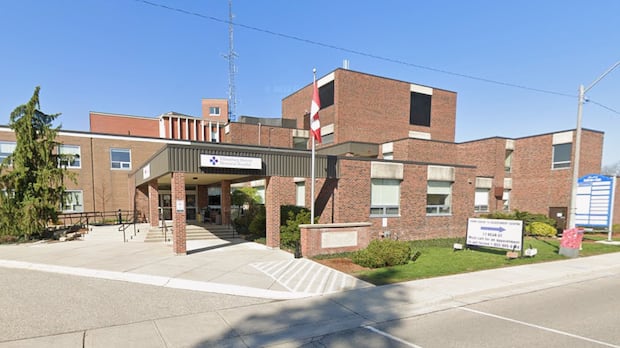
Two hospitals in southwestern Ontario are laying off over 50 personal support workers (PSWs) from their acute care departments and replacing them with nurses.
Tillsonburg District Memorial Hospital (TDMH) and St. Thomas Elgin General Hospital (STEGH) both state that these changes stem from patients who have more complex needs that require nursing care. The hospitals indicate that these patients need nursing assessments, detailed medication management, and clinical interventions.
“Evidence consistently demonstrates that enhanced regulated nursing resources improve patient outcomes, reduce adverse events, and support safer, higher quality care,” statements issued by the hospitals said.
TDMH declined an interview request while a spokesperson from STEGH did not respond to a request before publication.
However, the St. Thomas hospital mentioned that 26 PSW positions will be cut in acute care along with further layoffs in the complex continuing care unit. On Monday, Tillsonburg hospital announced that it would also eliminate PSW roles from its acute care unit but did not specify how many positions would be affected.
“We had no warning at all. We were just all called in together and we didn’t even know we had to fight for our jobs. It was very stressful and there were some tears,” said Jennifer Mc Master, a PSW at Tillsonburg hospital.
![]() Jennifer Mc Master is among 27 PSWs getting laid off from the Tillsonburg District Memorial Hospital. She says the news came as a surprise and will add to an already heavy workload for nurses. (Submitted by Jennifer Mc Master)
Both hospitals will adhere to the layoff process outlined in their collective agreements. Unifor Local 302 represents PSWs in Tillsonburg, stating that 27 of its members have already received layoff notices effective September.
Jennifer Mc Master is among 27 PSWs getting laid off from the Tillsonburg District Memorial Hospital. She says the news came as a surprise and will add to an already heavy workload for nurses. (Submitted by Jennifer Mc Master)
Both hospitals will adhere to the layoff process outlined in their collective agreements. Unifor Local 302 represents PSWs in Tillsonburg, stating that 27 of its members have already received layoff notices effective September.
Ian Da Silva is COO of Ontario Personal Support Worker Association speaks about concerns regarding these changes. She noted that Tillsonburg becomes the fourth Ontario hospital after Niagara, Brantford, and St. Thomas to lay off PSWs while adding that patient health outcomes could suffer because of these changes. “The frustrating part is PSWs are essential to healthcare teams time after time; we’re brought into discussions then suddenly they decide we’re not needed anymore which leads us either out of jobs or moving departments,” she remarked. A Unifor spokesperson expressed serious concern about job losses announcing plans advocating for job retention. “PSWs play a crucial role ensuring quality patient care providing vital hands-on assistance necessary for maintaining dignity safety quality life daily.” said spokesperson Paul Whyte. Source link
Other hospitals cutting jobs
PSWs work alongside nurses and other medical professionals providing essential support like lifting and turning patients, cleaning patient areas, restocking supplies, and managing equipment. Hospitals throughout the region have been adjusting their care models due to evolving patient needs. Last month, London Health Sciences Centre announced it would be cutting 212 registered nursing jobs as part of its restructuring plan which will take place over the next three to five years through attrition via retirements or resignations. Mc Master is puzzled by the rationale behind these layoffs since many PSWs were hired during the COVID pandemic specifically for handling complex care requirements. She questions why jobs are being cut now when demand seems greater than ever. Mc Master also fears this will put more strain on nurses who are already busy on these floors, leading to higher risks for falls, bed sores, and other complications. “We’re the eyes on the floor, so we see the small things to large things. We’ve caught people having chest pains and we help them with any of their personal hygiene or feeding. We do one-on-ones; we make sure we monitor people who tend to get out of bed,” she explained.Impacts on patient care
The two hospitals assert that these changes won’t affect patient services or bed capacity nor impact how care is delivered. Miranda Romanowicz, CEO of the Ontario Personal Support Worker Association representing around 60,000 PSWs across Ontario disagrees with this view stating that nurses and PSWs typically function as teams together; removing one group could lead to increased costs for hospitals instead. “The cost is going to go up dramatically,” Romanowicz said. “RNs and RPNs cost more than PSWs; there’s a $2 to $3 difference from an RPN but RNs are expensive as all be.” LISTEN | Dozens of PSWs laid off at Tillsonburg Hospital: Afternoon Drive7:32Big changes coming to Tillsonburg’s hospitalTillsonburg’s hospital is cutting personal support works and increasing nursing resources instead.Ian Da Silva is COO of Ontario Personal Support Worker Association speaks about concerns regarding these changes. She noted that Tillsonburg becomes the fourth Ontario hospital after Niagara, Brantford, and St. Thomas to lay off PSWs while adding that patient health outcomes could suffer because of these changes. “The frustrating part is PSWs are essential to healthcare teams time after time; we’re brought into discussions then suddenly they decide we’re not needed anymore which leads us either out of jobs or moving departments,” she remarked. A Unifor spokesperson expressed serious concern about job losses announcing plans advocating for job retention. “PSWs play a crucial role ensuring quality patient care providing vital hands-on assistance necessary for maintaining dignity safety quality life daily.” said spokesperson Paul Whyte. Source link