





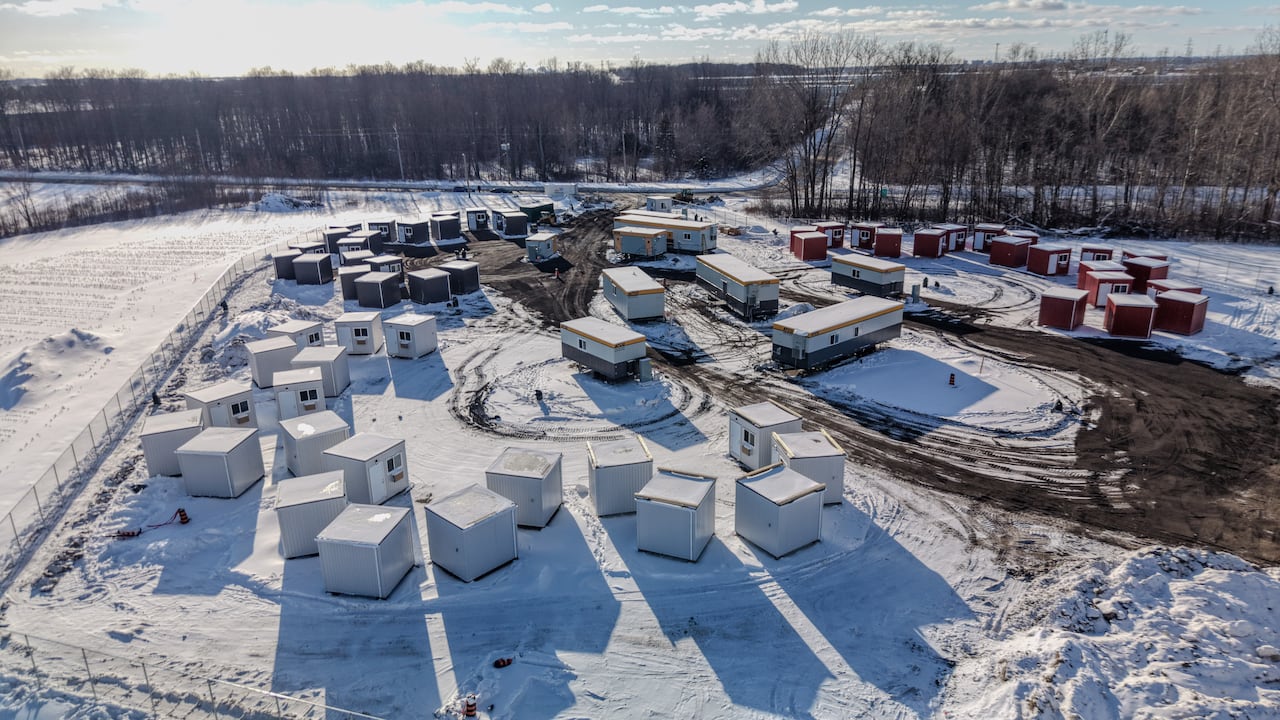
The wind sweeps across a barren patch of land on the southern edge of London, Ont., where rows of small, cabin-like units are situated far from public transport, shops, and the city center.
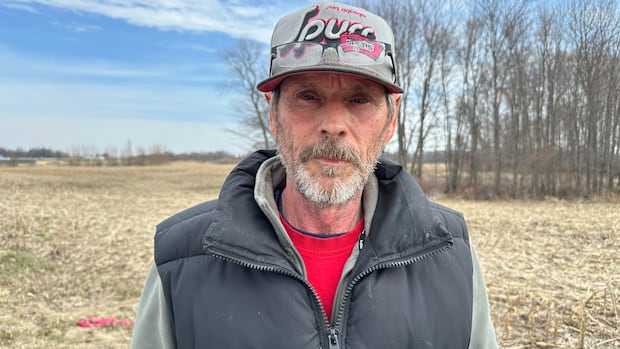
For Tim Magee, who spent years living in a tent in the woods, moving here was meant to be an improvement. Instead, he feels like he’s being pushed even further away.
“I’ll go back to the streets or back to the bush somewhere,” Magee said. “I’ll be more comfortable out there than here.”
Magee mentioned that he plans to leave the site due to feelings of isolation, strict regulations, and the expense involved in staying there.
He is one of about 66 individuals currently residing at the city’s new micro-modular shelter site, which is a temporary housing initiative intended to provide private units and on-site assistance for those facing homelessness.
Advocates say his issues highlight broader difficulties faced by people experiencing homelessness, especially when housing options restrict their freedom or are situated far from essential services.
“Individual freedom matters to all of us,” said Chuck Lazenby, executive director of Unity Project, a social agency that operates an emergency shelter and supportive housing services in the area.
“Poverty and homelessness constantly come with imposed rules – how they can access things, when they can access them and in what way. Combined with isolation, that can feel overwhelming for daily living.”
The city describes this site as a work in progress, initially intended as a temporary housing solution aimed at helping individuals transition into permanent homes while gradually adding support like health care and income assistance over time.
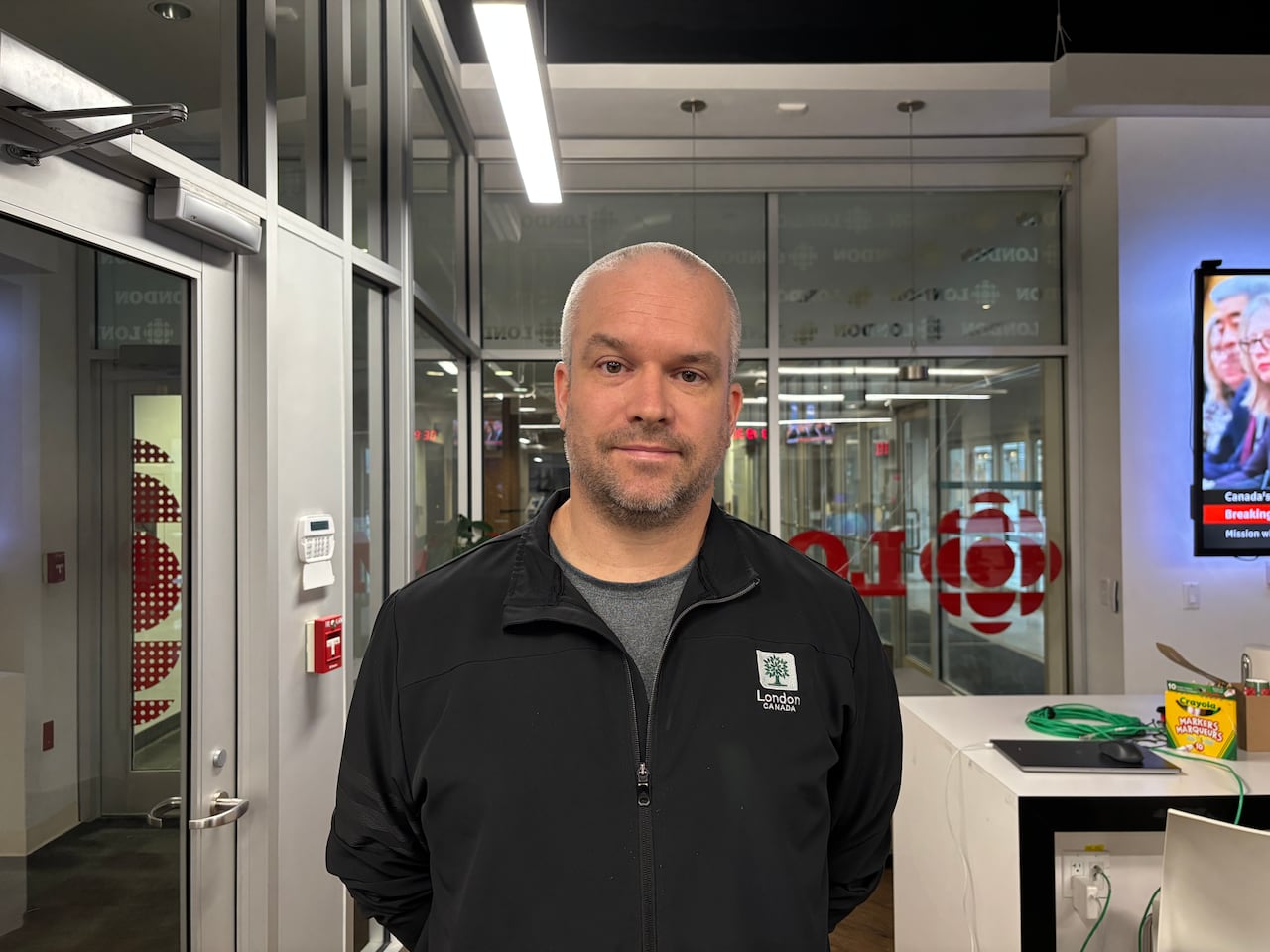
Chris Green, project manager for the micro-modular shelter, stated that they are ready to address residents’ concerns to enhance their experience and service delivery.
“I’m very proud of how it’s going,” he said. “We can start focusing more on comfort and try making this the best possible situation for folks.”
A 2025 report from Western University’s Centre for Research on Health Equity and Social Inclusion indicated that the number of people experiencing homelessness in London increased from roughly 1,844 in 2022 to over 2,200 by 2024-2025.
The site opened in January and has over 100 people waiting for placement; it has been praised by city officials as progress towards permanent housing solutions.
Concerns about Isolation and Autonomy
Before relocating to the micro-modular site, Magee lived in a tent among others whom he described as “the bush.”
Initially skeptical about moving there but willing to give it a chance..
“At first I thought it would be a good idea but now I regret it,” he stated. “I call it a warehouse for the homeless.”
A micro-modular unit at London’s shelter site features around 60 units. (Jack Sutton/CBC)
Magee expressed much frustration stemming from its location on the outskirts of town – distant from transit options as well as daily necessities.
“There’s nothing here for us,” he shared. “You can leave anytime you want but what are you gonna move to?”
He also pointed out restrictions at this facility – including no visitors allowed and limited access to showers – which diminish his sense of independence.
“Might as well say you’re in jail out here,” he remarked.
The Financial Strain Highlights Affordability Issues
The regulations along with location aren’t only factors shaping Magee’s experience.
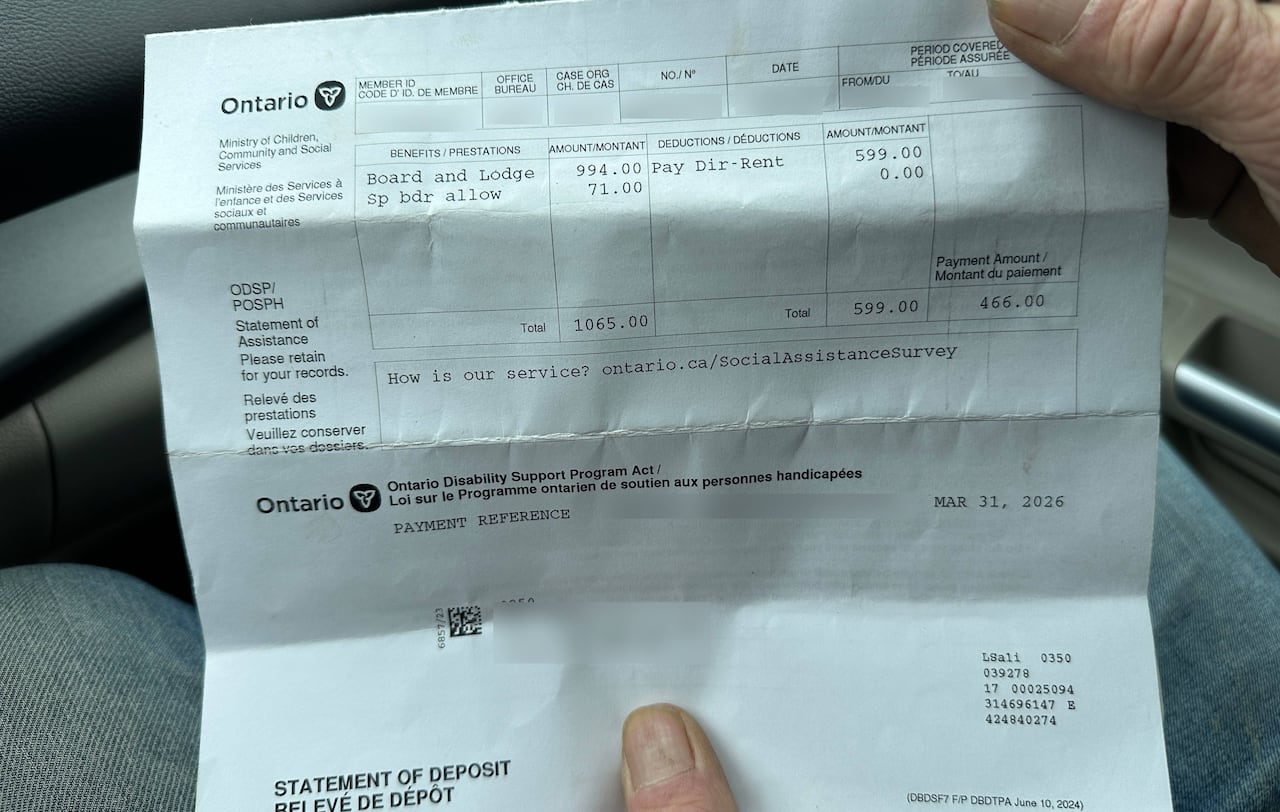
Deductions made from his income intended for covering shelter costs have significantly reduced his available funds.
“My cheque went from $1,400 down to $466.. I can’t justify that,” Magee noted. “Where’s all this money going? I’d like answers but we don’t get any.”
City officials explained payments made by residents depend on existing income-support programs such as shelter allowances or Ontario Works which vary based on individual situations.A statement showing deductions taken from Tim Magee’s Ontario Disability Support Program payment reveals financial difficulties he’s facing. (Andrew Brown/CBC)
The City Claims Site is Adapting For Residents’ Needs
 Green emphasized continuing efforts toward enhancing supports so residents’ needs can be met better overall.
 He revealed they’ve begun offering programs concerning mental health support alongside addiction resources.
 Green acknowledged challenges presented by its location outside city limits yet explained choices were restricted when seeking space large enough for construction.
Green elaborated stating rules were established during initial rollout but may be adjusted later depending upon evolving conditions around residents’ needs. The focus shifted after winter conditions provided immediate safety resulting ultimately toward improving comfort levels ongoing ensuring better quality life experiences ahead. With warmer months approaching cities will explore ways fostering community spirit through initiatives including community gardens. Green reflected honestly upon realities surrounding poverty emphasizing systemic issues extending beyond single solutions needed tackling root causes effectively addressing overarching circumstances leading countless individuals struggling today. &nb p;Source link