





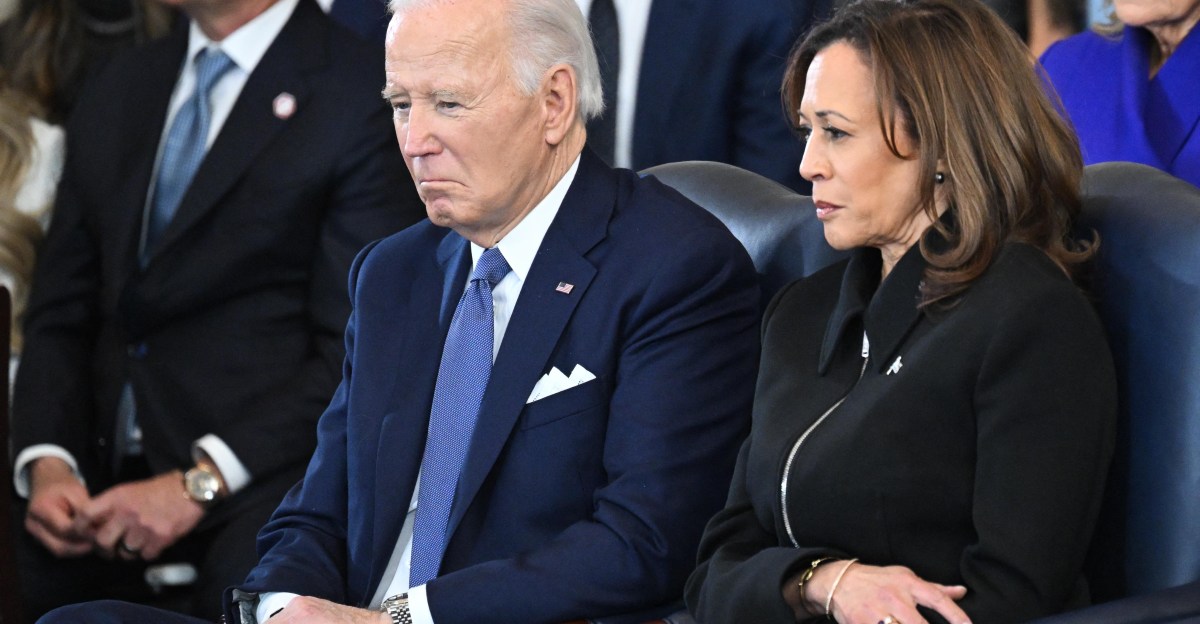
The Democrats’ plea for Americans to “protect democracy” from Donald Trump didn’t resonate in the 2024 presidential election. Time and again, President Joe Biden and Vice President Kamala Harris claimed that Trump and other Republicans posed a serious danger to our political system, highlighting concerns like Project 2025 and the extreme anti-immigration goals of aides such as Stephen Miller, while warning about a more authoritarian second term if Trump were to be reelected.
Now that we’re over a year into Trump’s second term, it’s clear they had a point.
Trump has greatly increased his executive power, used the Justice Department against his opponents in ways typically seen as apolitical, sidelined Congress while gearing up for another conflict in the Middle East, and launched a mid-cycle redistricting effort aimed at securing victories in upcoming midterm elections.
In essence, Trump is acting less like an elected leader and more like an authoritarian than ever before. Meanwhile, the Democrats’ message of “saving democracy” seems to have hit a wall as issues like affordability and rising living costs are becoming top priorities. I don’t believe this shift means Americans don’t care about democracy; rather, they want improvements to the system instead of just defending it.
According to Gallup polling, over 60 percent of Americans are unhappy with how democracy functions currently. All around the nation, I hear people wanting more innovative ideas from both parties regarding solutions for key issues driving our politics. There’s also a demand for making democracy work better for everyday citizens. Much of the current frustration stems from voters feeling powerless-excluded from processes in selecting presidents (thanks to the Electoral College), navigating Congress (due to gerrymandering), or dealing with lifetime appointments in the Supreme Court.
So this week on the America, Actually podcast, I spoke with Amy Walter, publisher and editor-in-chief of the Cook Political Report. We discussed Trump’s redistricting strategies and how we might “improve” democracy instead of merely safeguarding it.
Here are three key points she made:
1) The primary process has become dysfunctional
Walter argues that today’s primary system – originally set up over a century ago to take nominations out of party bosses’ hands – is facing new challenges. “The primary process has become as corrupted as it was back then,” she explained by pointing out an influx of external money linked either to specific issues or corporate interests along with an electorate that’s often very polarized.”Her proposed solution? A single national primary day instead of dragging things out across months with state-by-state primaries along with open ballots where “every voter is allowed to vote… You don’t have to be a Democrat or Republican.” While she admits this won’t fix everything outright, “it at least addresses one major problem.”
2) Gerrymandering threatens majority-minority districts
Walter noted that after Louisiana v. Callais weakened Section 2 of Voting Rights Act decision by Supreme Court handed Republicans around four-to-six seat edge during redistricting battles. In Tennessee , Louisiana & Alabama , maps basically merged three Black-majority districts -two held by Black members -into secure Republican areas. (Though Alabama ’s map remains under litigation.) P >
But long-term threat cuts across party lines: She cautions similar reasoning could lead Democrats into breaking their own majority Black & majority Hispanic seats apart just so those voters get diluted into districts where wins seem likelier. P >
“How far will Democrats go trying expand their advantage when there’re states holding majority black or Hispanic seats?” she queried – creating a complex situation where neither side prioritizes minority representation. P >
Reforms alone aren’t enough fix these problems warns Walter using California as example though having its wish list electoral reforms including open top two primaries easy registration mail-in voting ballot initiatives doesn’t guarantee good governance either. p >
The incentive structure itself is flawed; someone in Congress who simply does their job gets overlooked since success favors loud disruptive figures unwilling compromise. Unless this changes according her those efforts will go unheeded leading people staying disengaged regardless what reforms happen outside them. p >
As always there’s much more content available via full show so check out America Actually wherever podcasts can be found watch on Vox’s Youtube channel. p >
Source link