
Ontario Construction News staff writer
The City of Ottawa’s finance and corporate services committee has green-lighted the next phase for a new paramedic facility in the west end, while also approving extensive financial strategies to address a $1.23-billion funding shortfall for infrastructure.
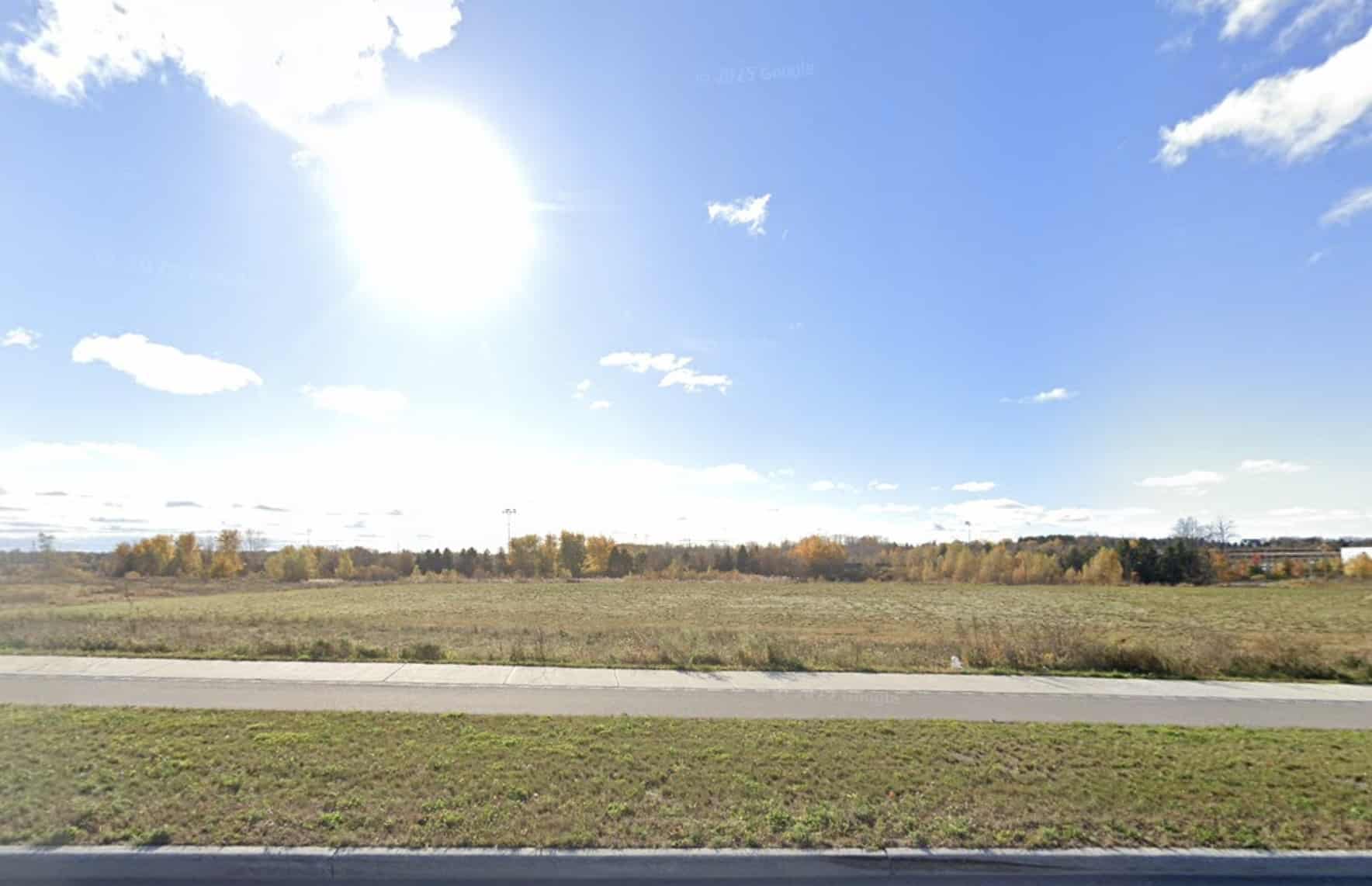
During its meeting on Tuesday (June 2), the committee suggested a three-step competitive bidding process for the new headquarters of the Ottawa Paramedic Service at 4061 Strandherd Dr. in Barrhaven.
Although a final budget and opening date are still pending, the city has previously allocated $4 million for initial design and engineering work.
This project will be executed through a Design, Build, Finance, and Maintain (DBFM) public-private partnership, allowing costs to be spread over 30 years. The municipality anticipates that half of the eligible capital and operating expenses will be covered by the provincial Land Ambulance Service Grant.
The existing paramedic headquarters on Don Reid Drive was built in 2005 and is currently running well above capacity due to population increases and growing service demands.
This paramedic facility is just one of several major infrastructure projects discussed by the committee:
Ādisōke project needs $18.5M boost
The committee approved an additional funding request of $18.5 million to ensure project oversight and enhance construction contingency funds for Ādisōke, which is set to be a new joint building for the Ottawa Public Library and Library and Archives Canada. Although construction is about 85 percent complete, contractors have reported further delays. The extra costs will be shared between the city as well as federal and municipal partners.
Tackling a $1.23-billion funding gap
Councillors have given their approval to a new 10-year Tax Long Range Financial Plan designed to handle a $1.23-billion deficit concerning tax-supported municipal infrastructure renewal and maintenance. To close this gap, the city plans to double its yearly capital contribution increase from $6 million to $12 million. Starting in 2029, annual debt issuance will rise to an average of $96.5 million-an increase of $36.5 million over current levels. This plan also involves a one-time withdrawal of $32 million from capital reserves.
Green transit revenue opportunities
The committee agreed to participate in the federal Clean Fuel Regulations Program, enabling the city to produce and sell compliance credits stemming from its Zero-Emission Bus (ZEB) program. With intentions of replacing 350 diesel buses with electric models by 2027, estimates suggest these credits could bring in around $1.3 million in 2026, increasing up to approximately $4.3 million each year once fully deployed.
Affordable housing tax assistance
To aid community housing efforts, the committee revised the Municipal Housing Facility By-law. These updates mean that up to about 4,500 existing non-profit affordable units-and potentially another 500 new units annually-will qualify for at least a minimum property tax exemption from both municipal and education taxes lasting two decades or more. Providers must use property tax savings towards expanding their portfolios or funding essential repairs or offering deeper rent affordability.
The city council is set to vote on these recommendations from the committee on Wednesday, June 10.
Source link