





The Liberal government has rolled out a new lawful access bill that it claims will assist police and security services in tracking down individuals who might be using social media or artificial intelligence for criminal activities or threats against national security.
This legislation represents the government’s latest attempt to expand the powers that law enforcement agencies have after concerns were raised by civil liberties groups regarding Bill C-2, introduced last spring, which some felt went too far.
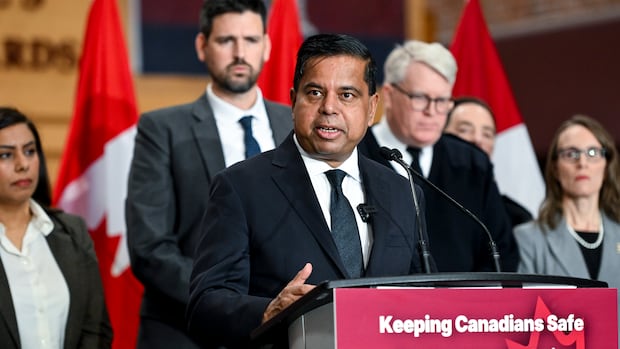
Minister of Public Safety Gary Anandasangaree stated that the updates in this bill will modernize Canada’s lawful access laws, which he described as currently “woefully behind” those of Canada’s allies.
“Bill C-22 balances the needs of law enforcement with the privacy and civil rights that Canadians demand,” he said on Thursday.
“It is not about surveillance of Canadians going on about their daily lives. It is about keeping Canadians safe in the online space.”
During a technical briefing, government officials clarified that Bill C-22 does not grant police or security services access to people’s browsing histories or private social media accounts; instead, it focuses on identifying who they are and where they are located.
This will enable security services to compel telecom companies like Bell and Rogers to provide a yes or no response when asked if a suspected criminal uses their services.
If police seek additional details, such as a suspect’s email address, phone number, or home address, they must convince a court that a crime has occurred or is likely to happen before obtaining a warrant.
 Liberals propose new police search powers bill after privacy concerns thwarted 1st attempt
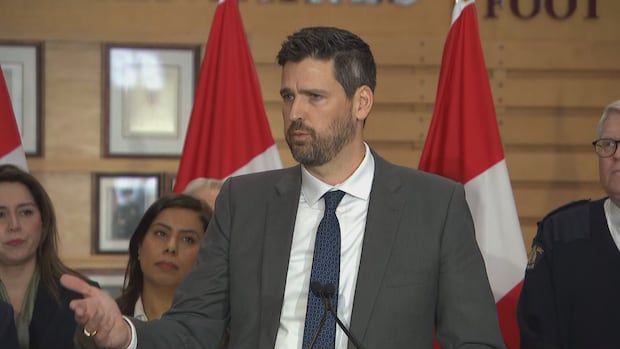
Public Safety Minister Gary Anandasangaree and Justice Minister Sean Fraser held a news conference after Liberals tabled Bill C-22, their newest attempt at lawful access legislation on Thursday. Anandasangaree said the bill ‘balances the interests of law enforcement, of concerns of civil liberties groups, academics as well as tech service providers.’
The legislation also does not mandate AI or social media firms report suspicious activity to Canadian authorities.
The type of data law enforcement would seek from these companies includes IP addresses linked to suspects using false identities on social media for illegal activities, officials indicated.
Liberals propose new police search powers bill after privacy concerns thwarted 1st attempt
Public Safety Minister Gary Anandasangaree and Justice Minister Sean Fraser held a news conference after Liberals tabled Bill C-22, their newest attempt at lawful access legislation on Thursday. Anandasangaree said the bill ‘balances the interests of law enforcement, of concerns of civil liberties groups, academics as well as tech service providers.’
The legislation also does not mandate AI or social media firms report suspicious activity to Canadian authorities.
The type of data law enforcement would seek from these companies includes IP addresses linked to suspects using false identities on social media for illegal activities, officials indicated.
Source link
Foreign social media platforms
The legislation also establishes formal procedures for Canadian law enforcement when making information requests from foreign social media firms like Meta and artificial intelligence companies like Open AI, which developed Chat GPT. The process does not force AI or social media companies to share subscriber information but creates a legal framework designed to encourage these companies’ cooperation with police and security agencies. WATCH | Ministers explain how this bill is different:
Liberals propose new police search powers bill after privacy concerns thwarted 1st attempt
Public Safety Minister Gary Anandasangaree and Justice Minister Sean Fraser held a news conference after Liberals tabled Bill C-22, their newest attempt at lawful access legislation on Thursday. Anandasangaree said the bill ‘balances the interests of law enforcement, of concerns of civil liberties groups, academics as well as tech service providers.’
The legislation also does not mandate AI or social media firms report suspicious activity to Canadian authorities.
The type of data law enforcement would seek from these companies includes IP addresses linked to suspects using false identities on social media for illegal activities, officials indicated.
Tracking suspects’ cellphones
This legislation would also require “core providers” – defined later through consultations but expected to include telecoms – to maintain capabilities for geographically tracking users of their products and services. The government asserts that while the Canadian Security Intelligence Service (CSIS) can already obtain warrants for tracking mobile phone locations, mobile service providers aren’t obliged to monitor all user locations.</P Once tracking becomes mandatory, Canada’s security services would have legal grounds for accessing this tracking software in order to investigate criminals and national security threats.</P Officials mentioned that if CSIS wanted to track a terror suspect’s movements, agents often have had no choice but to follow them physically at considerable expense for the federal government-this limits operational capacity.</P The updates proposed would also enhance emergency services’ ability to quickly locate individuals who may be injured or lost compared with relying solely on cellphone towers for triangulation purposes.</P Minister of Justice Sean Fraser emphasized that law enforcement needs tools capable of revealing who’s behind an account used for threatening public safety.</P “This is going to help us catch up with most of our allies across the world; but most importantly it’s going to help officers on the front line do more in keeping communities safe,” Fraser said.Source link