





Mayors from Ontario’s major cities are once again asking for more help from both the provincial and federal governments to address homelessness, addiction, and mental health challenges.
The mayors made their plea over the weekend during the Association of Municipalities of Ontario (AMO) Conference in Ottawa.
“The crisis surrounding homelessness, mental health, and addictions is worsening in communities across the province, and we cannot continue as we have,” said Marianne Meed Ward, chair of Ontario’s Big City Mayors (OBCM) and Mayor of Burlington in a statement.
Meed Ward mentioned that municipalities are “willing to do our part, but other levels of government must step up and take action.”
OBCM consists of 29 single-tier and lower-tier cities with populations exceeding 100,000. Their website states they represent nearly 70 percent of Ontario’s population.
This group has been advocating for additional resources from both the provincial and federal governments since 2024 when they initiated the Solve the Crisis Campaign.
This renewed appeal also comes at a time when homelessness rates in the province are on the rise, with many municipalities trying to find ways to handle homeless encampments in public areas.
In a campaign video shared on OBCM’s website, Meed Ward noted that while some progress has been achieved by the province, municipalities have “reached their limit” as property tax revenues can no longer support “the increasing costs of health care, housing, and social services.”
The campaign urges the province to declare a state of emergency regarding this crisis, significantly increase funding for recovery-focused treatments, and appoint a dedicated minister responsible for mental health and addictions.
“The solutions and issues span across 16 different ministries; that’s why it’s crucial to have one individual who can champion these efforts,” Waterloo Mayor Dorothy Mc Cabe told .
The campaign also seeks an expansion of addiction treatment programs within provincial and federal correctional facilities.
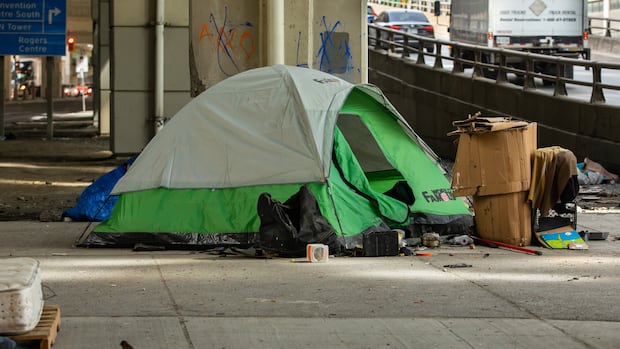 Inside Toronto’s homelessness problemHomelessness has surged more than double in Toronto since 2021 based on new findings. CBC’s Britnei Bilhete reports that this situation is being labeled a crisis requiring collaboration beyond any single government or sector.
Source link
‘Involuntary care doesn’t work’: Canadian Civil Liberties Association
The initiative calls for a review of Ontario’s Mental Health Act along with the Healthcare Consent Act aimed at creating a more “compassionate care and intervention model” for individuals-including those unable to consent-while safeguarding their rights, dignity, and well-being. Harini Silvalinga, director of quality at the Canadian Civil Liberties Association stated to that adopting such an approach could lead to forced treatment if Ontario follows similar models from B. C. or Alberta. “Involuntary care doesn’t work. It’s not proven effective in addressing root causes related to substance use or addiction; it often pushes people deeper into crises,” she explained. “We strongly oppose these so-called compassionate intervention laws; they aren’t compassionate but rather forced treatment policies that strip away individual autonomy.” Silvalinga added that shutting down safe consumption sites has only worsened matters; reintroducing those services along with holistic community health treatments and housing solutions would be far more effective responses.WATCH | Toronto’s unhoused population more than doubled in 3 years:
Inside Toronto’s homelessness problemHomelessness has surged more than double in Toronto since 2021 based on new findings. CBC’s Britnei Bilhete reports that this situation is being labeled a crisis requiring collaboration beyond any single government or sector.
‘Compassionate action needs accountability’
Cambridge Mayor Jan Liggett expressed her support for OBCM’s call through a statement on Sunday. “I’ve heard too many stories from Cambridge residents about loved ones falling through gaps in systems unprepared for our current challenges,” she noted. Liggett pledged that she along with her team would continue urging the province “to transition from reactive measures towards recovery while providing coordinated actions needed by communities throughout Ontario.” A spokesperson representing Minister of Health Sylvia Jones claimed that recent investments include $560 million allocated towards establishing 29 new Homelessness And Addictions Recovery Treatment (HART) Hubs alongside delivering $3.8 billion toward creating comprehensive mental healthcare services under Roadmap To Wellness. Furthermore they revealed plans which involve adding another 500 recovery beds alongside over 1 ,200 supportive housing units statewide. Alex Nuttall , vice-chairman at OBCM & mayor Barrie stated his belief stating“compassion must coexist alongside accountability.” He continued by saying “This means broadening access opportunities around housing , mental wellness programs & rehabilitation whilst maintaining safety standards concerning parks , sidewalks & public venues accessible by all.”Source link