





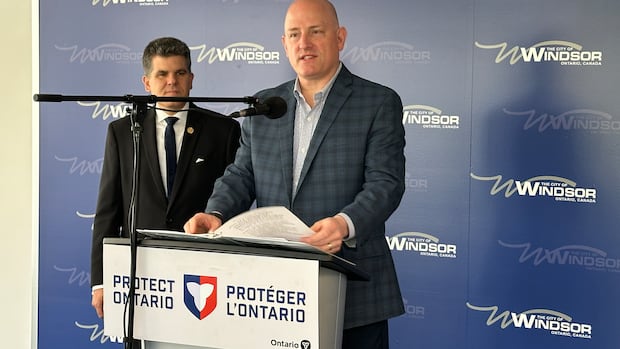
The City of Windsor is set to receive over $4.4 million in funding from the province’s gas tax program for Transit Windsor, as announced by Windsor Mayor Drew Dilkens and Windsor-Tecumseh MPP Andrew Dowie on Friday.
This program gives communities with public transit systems two cents per litre of the provincial tax revenue collected by the province. This announcement follows a report from Transit Windsor revealing a nearly $8 million deficit for 2025.
“These investments contribute to continuous improvements in service delivery and responsive planning,” Dilkens said at a press conference Friday. “Despite expansion of service to pre-pandemic levels, fares have lagged and ridership declined by approximately 20 percent last year.”
According to the release, Transit Windsor provided almost eight million passenger trips last year. However, this figure still shows an overall decline in ridership compared to 2024, partly due to fewer international students.
WATCH | $4.4M provincial funding for Transit Windsor – but is it enough?: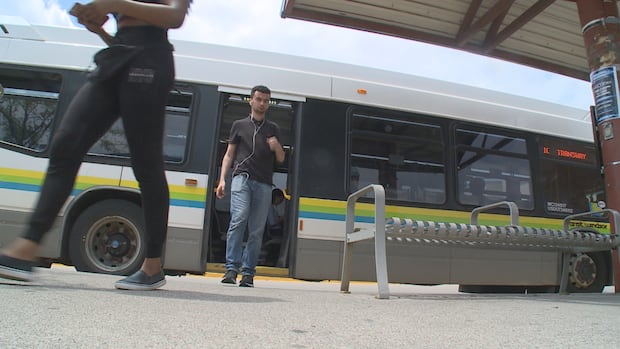
$4.4M provincial funding announced for Transit Windsor – but is it enough?
Transit Windsor is receiving $4.4M in funding from the Province of Ontario – the same amount received in 2024 and 2025. Nate Hope from Activate Transit Windsor-Essex believes more support is essential, given that Transit Windsor faces an $8 million deficit. The CBC’s Dalson Chen reports.Windsor Mayor Drew Dilkens and Windsor-Tecumseh MPP Andrew Dowie at a press conference announcing funding for Transit Windsor on May 8, 2026. (Dalson Chen/CBC)
How is the funding determined?
The province states that gas tax funding is calculated each year based on ridership and population growth. The city has discretion over how this funding can be utilized for transit operations and capital costs.
“It is in part based on a formula and so the ridership is crucial,” Dowie said. “This province has put in the floors, so if there’s a decline in ridership, the funding is maintained where it was previously because we want to get back to a period of growth.”
A portion of Transit Windsor’s $8 million deficit stems from the city getting $1.2 million less than planned in 2025.
City staff had expected an increase in funds from this program before being informed after a provincial review in 2025 that gas tax funding would remain frozen at 2024 levels.
WATCH | Here’s what’s driving Transit Windsor’s ridership: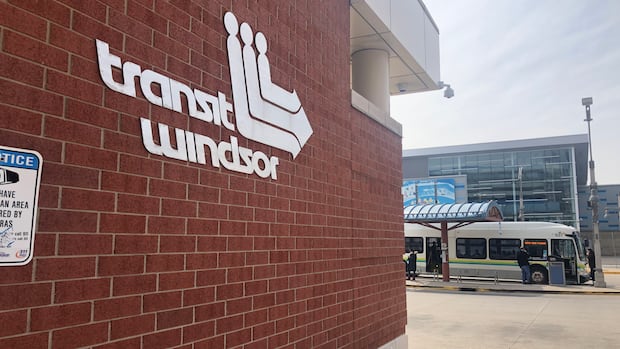
Here’s what’s driving Transit Windsor’s nearly $8M deficit
Council learned this week that factors contributing to Transit Windsor’s deficit include fewer international students, lower-than-expected provincial funds, and an alarming number of employee sick days reported recently. The CBC’s Chris Ensing explains.
Dilkens mentioned during discussions with reporters that this new provincial support will help cover half of Transit Windsor’s deficit.
Questions over funding model
<p(Some transit advocates in Windsor express satisfaction about receiving these funds but also call for changes to how funding works.)
While city council was informed that provincial gas tax assistance remains at previous levels set in 2024, this latest amount represents only a small rise from the $4.3 million received during 2022-23.
“There’s no reason that we couldn’t have expected a reduction [in transit riders],” said Nathanael Hope, a community organizer with Activate Transit Windsor-Essex. He points out that officials knew for quite some time about anticipated declines among international students living here.
(Hope has expressed concerns regarding how these funds will be allocated.) He noted an increase in adult fare prices last year despite what he describes as an urgent need for improved frequency and reliability within services offered; his belief lies within expanding bus fleets along with hiring more operators as solutions.
“With that frequency and reliability, more people will be using the bus,” Hope stated.”When more people are using the bus they’re paying fares. And when people are paying fares you know it’s going make it cheaper for everyone.”
Dilkens added while talking with reporters on Friday about plans involving their own budgeted amount worth around$5.40million designated towards supporting transport development including acquiring new buses alongside introducing revamped fare systems plus investing into improving facilities located across east end locations within their network.
Source link