


Ontario Premier Doug Ford is under fire for likening the upcoming Thunder Bay Correctional Centre to a Four Seasons Hotel, just days after an inquest into the death of an inmate at the old Thunder Bay Jail.
Kevin Mamakwa, a member of Kingfisher Lake First Nation and nephew of Kiiwetinoong NDP MPP Sol Mamakwa, passed away in 2020.
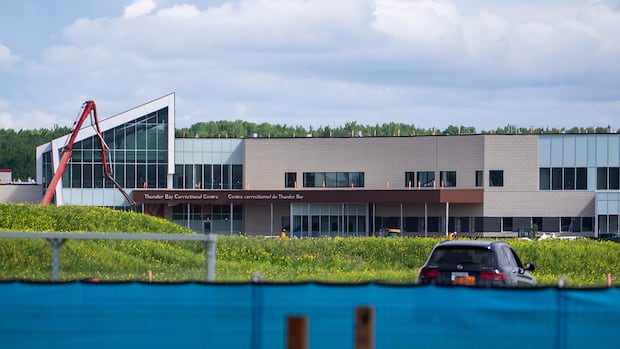
The recent inquest resulted in 22 recommendations directed at Ontario’s Ministry of the Solicitor General. These include creating a plan to shut down the jail within five years of the Thunder Bay Correctional Centre opening, which is currently being built. Known as the Thunder Bay Correctional Complex, it is anticipated to be operational next year and will accommodate 387 men and 75 women.
The Thunder Bay Correctional Complex under construction on Highway 61 is shown Thursday. The $1.2-billion facility is expected to be substantially completed by November and fully operational in 2027. (Marc Doucette/CBC)
During an unrelated news conference in northwestern Ontario on Tuesday, Ford was asked about recent demands from First Nation leaders to close the aging jail, which MPP Mamakwa describes as “a death trap.”
“We just want to make sure we get some consultation, and we built a nice jail, very nice jail up here,” Ford stated. “Matter of fact, it looks like the Four Seasons Hotel. I’m not sold on that. When people commit crimes, they shouldn’t be in this fancy-dancey jail.
“But we’re going to invest in it and let’s see what we do with the old jail. Do we renovate it? Because we need more cells.”
Comments reveal ‘the real Doug Ford,’ says MPP
Inquest jurors learned that 53 per cent of inmates at Thunder Bay Jail identify as Indigenous; however, some suggested that number could be as high as 60 to 75 per cent.
The MPP criticized Ford’s remarks.
“When I hear that, his thought is that we [Indigenous people] do not deserve anything good. We do not deserve anything nice,” Mamakwa told on Thursday.
“To me, that’s just what he thinks of First Nations, which is not surprising. That’s the real Doug Ford.”
Kiiwetinoong NDP MPP Sol Mamakwa is a member of Kingfisher Lake First Nation. (Sarah Law/CBC)
Premier’s office highlights collaboration with Indigenous partners
When asked for clarification on Ford’s comments, the premier’s office sent an email statement to on Thursday afternoon saying the province is investing $3 billion for new jail beds and additional corrections staff.
“Dangerous, repeat offenders belong behind bars and to keep them off the streets, our government is expanding correctional capacity across the province,” it stated.
As construction continues at the new correctional complex, Ontario “is working with Indigenous partners to enhance culturally responsive services and supports in correctional facilities.”
Correctional staff receive Indigenous awareness training developed with input from Indigenous advisers according to the premier’s office. People in custody also have access to various supports related to mental health, addictions and social services.
Kevin Mamakwa was 27 years old when he died while detained at Thunder Bay Jail on June 2, 2020. His uncle Kiiwetinoong MPP Sol Mamakwa mentioned Kevin was heavily involved in sports but faced challenges with mental health and addiction issues. (Submitted by Sol Mamakwa)
The jury at Kevin Mamakwa’s inquest heard concerns about poor conditions, overcrowding and insufficient staffing at Thunder Bay Jail which has an operational capacity of 134 inmates yet often holds over 200 at any given time.
The new $1.2-billion correctional complex on Highway 61 was intended to replace both jails; however both facilities will remain open even after its completion with plans for Thunder Bay Jail continuing for at least another five years.
WATCH | First Nation leaders call for closure of Thunder Bay Jail: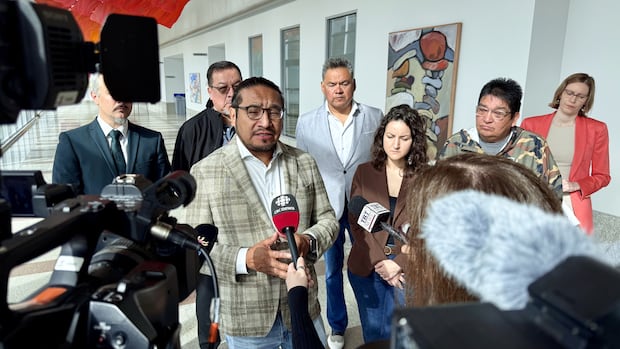
First Nation leaders call for closure of Thunder Bay Jail
The Thunder Bay Jail has faced long-standing criticism for overcrowding and harsh conditions since it opened a century ago. Following a coroner’s inquiry into Kevin Mamakwa’s death there on June 2, 2020, First Nation leaders are renewing their calls for shutting down this outdated facility.
Lindsay Martin serves as executive director of Elizabeth Fry Society of Northwestern Ontario-an organization focused on helping women and gender-diverse individuals involved with criminal justice systems.
Mentioning worries over potential human rights violations within the jail system Martin remarked that Ford’s comments “come from a place of privilege; someone who clearly doesn’t grasp what’s happening within incarcerated communities.”
“I think this stigma starts right from those at top levels looking down upon those struggling due largely because there are insufficient funds or resources available,” she said.Lindsay Martin executive director Elizabeth Fry Society NW Ontario spoke out against Premier’s remarks (Sarah Law/CBC)
Toward Tuesday’s conclusion regarding jury recommendations around improving mental health assistance along with cultural support concerning addictions Mr. Ford responded: “I’m all for it.”
“Any way I can help people if it comes down drugs or alcohol – I’m all in.”</P
A call for enhanced rehabilitation support for inmates</h2 Mamakwa noted how this statement conflicts with other things he said about keeping “the bad guys” locked up.
“It’s almost like he’s talking out both sides,” said this NDP representative.
Instead of increasing prison beds Martin urged provincial investment should focus more directly onto rehabilitation programs.
“When you’re released back into homelessness without any kind-of support following your incarceration-and funding being slashed elsewhere-where else can these folks go? It feels like they want this revolving door situation,” she continued.
“Their answer towards lack-of social safety nets seems strictly limited by building more prisons or maintaining older structures rather than addressing root causes effectively-that mindset creates huge future ramifications.”
-Martin emphasized critically considering how powerful figures discuss topics like criminal justice matters.”I think that [Ford] simply feeds off rhetoric suggesting communities feel increasingly unsafe overall; putting people behind bars isn’t truly about public safety-it’s essentially regarding power dynamics.”
Source link