



An Ontario court has reversed a decision made by the Ontario Municipal Board and is supporting Richmond Hill’s town council in a conflict with condo developers regarding the necessary green space for new projects.
The council applied a standard formula to figure out how much money developers would owe the city instead of providing parkland for their new builds. The developers challenged this at the OMB, which set a 25 percent limit on applying that formula-resulting in Richmond Hill potentially missing out on $70 million needed for sufficient green space for its expanding community, according to town officials.
A divisional court has removed that OMB limit.
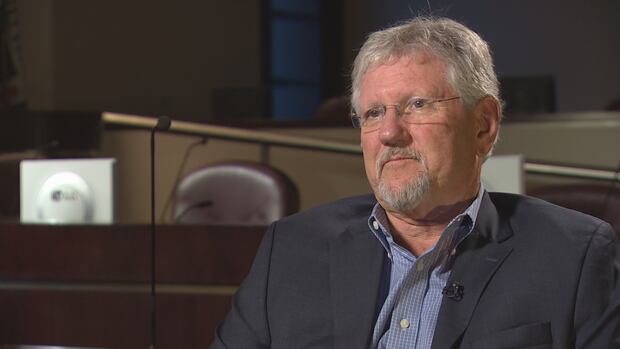
“We were thrilled,” Richmond Hill Mayor Dave Barrow told . “The divisional court realized that the OMB stepped over the line … It did set the tone that we do have a right to plan our communities, thank you very much.”
The developers have indicated they plan to appeal.
Cap Keeps Housing Affordable: Developers
Alongside arguing that the OMB was justified in imposing the cap, the developers also believe there’s a solid reason for it-the notion that it helps keep new housing units affordable.
“Because of land values in Richmond Hill (and many areas of the GTA), the only ‘affordable’ new residential units are apartments,” Ira Kagan, a lawyer representing developers in this case, told via email. “The OMB’s decision understood that, and its adjustments were meant to promote intensification and affordable housing.”
A standard formula is used to determine how much new parkland is needed to go along with new developments, or how much money a developer needs to pay a municipality in lieu of that parkland. (CBC)
Barrow states that this situation illustrates broader concerns about the OMB, which is an appeals body established by the province for resolving municipal planning issues.
“The general sense is that the Ontario Municipal Board does not seem to listen to the community-whether it’s residents or councils-and doesn’t appear to give us room to plan our communities.”
‘Respect Local Planning Matters’
He’s not alone in his opinion: numerous municipalities have voiced opposition against the OMB before, including Toronto. Barrow mentions several others like Mississauga and Oakville supported Richmond Hill’s case because they feared being affected by the OMB’s cap as well.
The OMB did not respond to requests for comment from .
Toronto Coun. Kristyn Wong-Tam believes that OMB can disrupt local autonomy. “I think the final solution for Ontario, in order for us to really respect local planning matters.. is that you have to abolish the board or remove its purview from big city municipalities,” she told .
Together with several other councillors from Toronto, she has supported efforts aimed at eliminating the OMB entirely-including a private member’s bill introduced at Queen’s Park back in 2014.
Richmond Hill planning commissioner Ana Bassios says this case is important because municipalities need control over their own futures. (Makda Ghebreslassie/CBC)
Richmond Hill planning commissioner Ana Bassios notes that this divisional court ruling “speaks to limits on what authority the Ontario Municipal Board has when disregarding community planning.”
She points out two key issues: ensuring adequate parkland in this specific case and affirming municipalities’ rights to manage their own growth according to existing planning regulations.
“There doesn’t appear to be a pattern to decisions they come to,” Barrow says. “They seem to be all over the map.”
Source link