




The Ontario government’s upcoming program aimed at helping homeowners in Ottawa whose properties were damaged by the severe flooding from the Canada Day storm is a valuable initiative. However, those who qualify for assistance should prepare for a potentially lengthy wait before receiving any funds, according to a local MPP.
“[It] might take months or even a year before there’s any actual money flowing to homeowners,” Liberal Orléans MPP Stephen Blais said Tuesday.
“DRAO can be an effective and has been an effective program for those things that aren’t covered by insurance.. but it is a long game.”
DRAO stands for Disaster Recovery Assistance for Ontarians. It provides reimbursement for cleanup, repairing or replacing essential property, and basic emergency expenses like travel. This program was previously activated due to local Ottawa River flooding.
Over the last decade, Ontario has spent an average of $5.4 million annually on this program, with expenditures peaking during the 2019-2020 fiscal year at $18.2 million, according to the Public Accounts of Ontario.
CBC requested details from the province about when the program was activated in recent years and how much was paid out after each disaster. While they didn’t provide specifics, they mentioned collaborating with the City of Ottawa to evaluate flood damage and identify areas impacted by overflowing creeks that may have uninsured damages eligible under DRAO.
Homeowners who apply can receive up to $250,000, as well as small businesses, farms, and non-profits as stated on the province’s website.
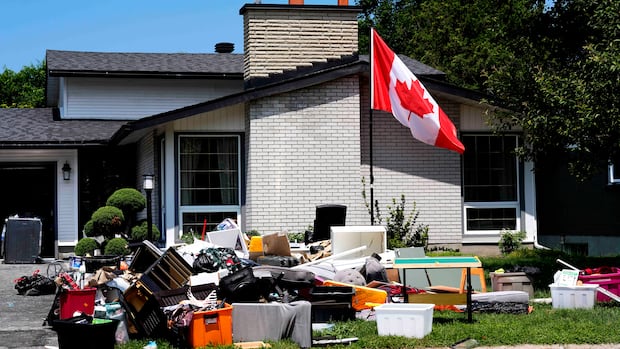
The DRAO program is making headlines again because its reactivation has been eagerly awaited since the July 1 rainstorm that caused significant rain damage across nearly 6,000 basements in Ottawa.
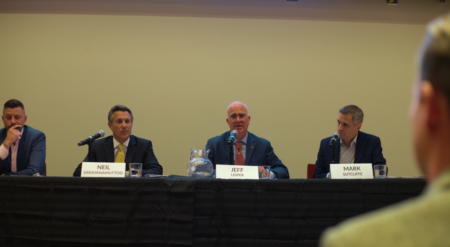
On Monday, Ottawa Mayor Mark Sutcliffe reported that he was informed by Ontario’s Minister of Municipal Affairs and Housing Rob Flack that DRAO should be rolled out this week for local residents. A subsequent statement from the province indicated that Ontario “will be” activating this program; however, no specific timeline was mentioned.
“We know many families are facing challenging circumstances, and I want them to know that our government is working alongside municipal partners to help ensure affected communities receive the support they need,” Flack said in a statement shared on social media Monday evening.
No activations were listed on the program page as of mid-afternoon Tuesday.
The Disaster Recovery Assistance for Ontarians (DRAO) program assists victims of natural disasters with costs like relocation, cleanup and repairs. Secondary residences and cottages do not qualify.
Damage from sewer backup typically not covered
Orléans wasn’t impacted as severely as other areas by the Canada Day storm; nonetheless, Blais expressed relief that almost two weeks post-disaster action is finally being taken by the province to aid those affected.
This assistance didn’t occur following last year’s destructive derecho which devastated eastern Ontario and left many farmers and homeowners “in the lurch,” having to cover tens of thousands of dollars in damages themselves, Blais noted.
According to guidelines set forth by this program, damages resulting from sewer backup usually aren’t eligible unless exceptions are made for low-income households.
For households consisting of two people combined income must not exceed $38,682 annually.
“I could anticipate this being a major issue for homeowners in Ottawa,” Blais commented regarding sewer backups generally being excluded from coverage.
Cottages are also not included under DRAO coverage since it’s designed specifically for primary residences.
Provincial funding is coming for Ottawa flood victims. Will you benefit?The province announces activation of its Disaster Recovery Assistance for Ontarians (DRAO) program aimed at assisting residents with cleanup costs and property repairs following severe rainfall on Canada Day which harmed numerous properties. Here’s what it means for homeowners.
What else you should keep in mind
<br
DRAO aims only to restore damaged properties back to a “basic standard” rather than fund improvements per guidelines provided. For instance,
the province won’t cover costs related to landscaping restoration or fencing repair.
Financial support through this program comes with caps and deductibles; hence not everything will be reimbursed fully.
Eligible appliances include furnaces,
water heaters,
refrigerators,
freezers,
and laundry machines.
However personal items such as jewelry,
antiques,
cell phones,
and sports equipment lost or damaged won’t be compensated.(For more detailed information go here.)</.</.></.
Activities eligible include cleanup measures,disease control, disposal costs, temporary living expenses during evacuations, meals provided during evacuations, emergency clothing purchases, pet boarding fees shortly after evacuation completion, as well as structural-related expenses including septic tank repairs along leaching beds.
If you’re lookingfor further details check out, guidelines outlined here.).. The exact date when officials announce activation marks important timing:residents then have 120 calendar days following announcement day to submit applications. Make sure you stay updated via news channels!
If you’re planning on filing civil suits regarding losses stemming from these incidents don’t forget mentioning them within your application-otherwise there’s risk denial happening plus repayment demands if you’ve received funds through DRAOs according provincial standards warn users. Additionally don’t expect adjusters visiting homes solely based assessing claims applications either-that occurrence remains possible too! Lastly if one phrase continuously appears throughout instructions issued towards applicants-it states explicitly:
.
“, “
Source link