





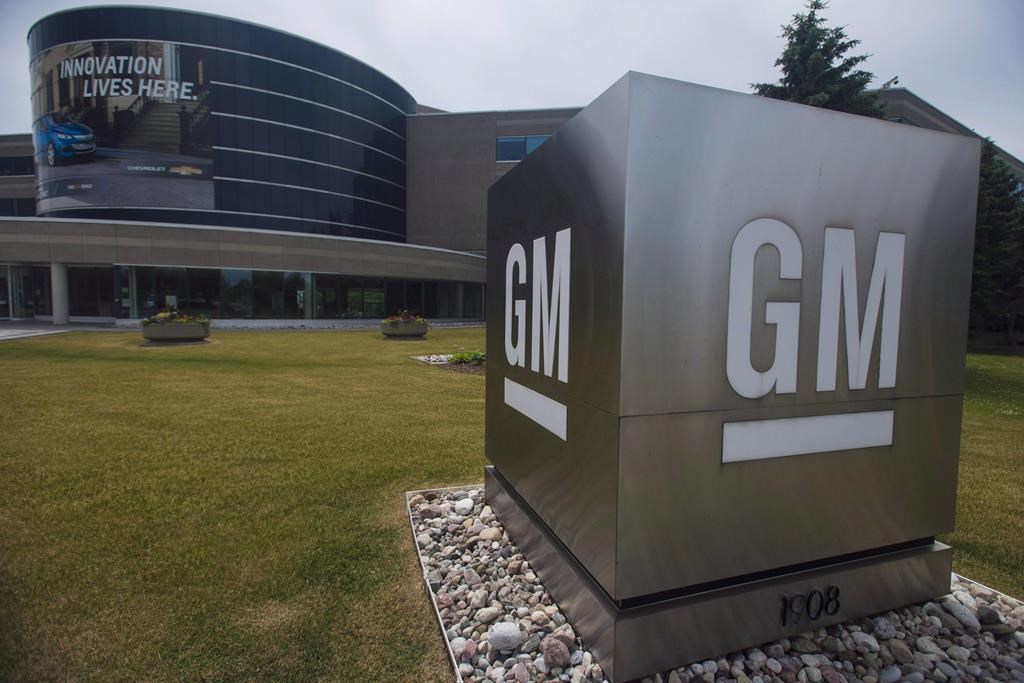
Oshawa’s General Motors plant used to be among the biggest in the world and a key employer in the city. However, this year, 500 workers were let go, leading to around 1,200 layoffs at related plants.
City leaders are now aiming to steer the local economy in a new direction.
“At one time, about 87 percent of our economy was associated with the auto industry and transportation. It’s about three per cent now,” said Oshawa Mayor Dan Carter.
This is a shocking statistic for a city once celebrated as the auto hub of the Greater Toronto Area and one that has faced rising unemployment lately.
Last month, Oshawa reported an unemployment rate of 7.9 percent compared to the national average of 6.7 percent.
Carter is determined to turn things around.
“The automobile business is different than it was even 30 years ago. It is a lot more technical now. And so many people don’t realize that,” shared Carter.
As traditional car manufacturing continues to shrink in Oshawa’s economy, both the city and Ontario Tech University are betting on innovative advanced manufacturing methods to help boost local growth-this includes advancements in electric vehicles (EVs), autonomous technology, and even defence applications.
The university, which houses the Automotive Centre of Excellence (ACE), plays a significant role in this transformation.
“One of the major pivots that Ontario Tech made was very early on moving into electric vehicle and autonomous vehicle development instead of sticking with traditional automotive practices that Oshawa was founded on,” said Les Jacobs, Vice-President of Research and Innovation.
This is where Project Arrow-the first all-Canadian designed, engineered, and manufactured vehicle-was created in 2023.
The follow-up projects-Borealis and Vector-were also produced at Ontario Tech last year through efforts led by the Automotive Parts Manufacturers’ Association alongside numerous manufacturers, suppliers, and academic institutions.
Jacobs hopes that this center can play an essential role in helping Oshawa transition from making vehicles for roads to producing those suitable for conflict zones.
“Positioning Oshawa today involves creating a national defence corridor that showcases innovation; it’s a beacon for Canadian firms, startups, and international businesses coming to Canada to take advantage of our significant investments,” said Jacobs.
The ACE Climatic Wind Tunnel tests vehicles under extreme temperatures; it’s perfect for evaluating armored vehicles against harsh conditions found particularly up north. Major global car brands already use it but now it could contribute toward strengthening Canada’s defence capabilities.
“We are recognized as a NATO-DIANA (Defence Innovation Accelerator for the North Atlantic) test facility-a unique asset for NATO members. There’s nothing else like it designated within Canada … companies seeking contracts with NATO countries come here to test their vehicles,” explained Jacobs.
There’s also optimism regarding GM pivoting towards defence manufacturing. Two years back, GM Defence Canada received nearly $40 million from the Canadian Army for building 90 tactical vehicles. While these were manufactured in the U. S., Carter envisions future orders being fulfilled locally instead.
“Consider where we stand today concerning defence spending demands; Canada needs to increase its contribution significantly. I often reflect on our historical role during World War II here in Oshawa when we produced vehicles supporting war efforts. We can do it again-we can create those opportunities,” stated Carter.
However, GM remains non-committal regarding future plans. In a statement from GM Defence Manager Geoff Johnstone he mentioned: “GM Defense Canada is actively pursuing Canadian defense procurement opportunities including government plans like the Light Utility Vehicle program where our heavy-duty Chevrolet Silverado platform built at Oshawa Assembly might be utilized. No decisions or agreements have been finalized.”
Carter believes with GM’s CTC Mc Laughlin Test Track combined with research expertise at Ontario Tech plus advances being made in AI technology at the university-it’s crucial he acts swiftly to assist his community’s recovery journey.
“If we’re not focusing solely on automobiles anymore I need other options available-and I must explore fresh paths forward for our city! I never want us overlooking how vital auto industry remains-not just woven into fabric but integral part of who we are as community,” said Carter.
“And I continue reflecting upon what we did historically back during WWII when producing necessary items such as military-grade Vehicles…we absolutely have capacity again! Our workforce stands ready-to tackle any challenges!”The General Motors Canada office in Oshawa, Ont., is photographed on Wednesday, June 20, 2018. THE CANADIAN PRESS/Tijana Martin
Source link
Source link