





Pickering council has given the green light to a draft plan for developing rural land in the city’s northeast, despite pushback from environmental groups and the Mississaugas of Scugog Island First Nation.
This approval allows for several pending environmental and fiscal impact studies to kick off for the proposed residential project, which is set to house around 72,000 residents.
Mayor Kevin Ashe mentioned that it will take a few years before these studies wrap up and construction starts.
“We’re looking forward to beginning the process, but we’re going to do it in a thoughtful, managed and responsible way,” he said.
The area earmarked for development features some of Ontario’s best agricultural soil, according to Adrian Stocking, who represents the National Farmers’ Union locally. Environmental advocates against this development have raised concerns about potential flooding risks and effects on at-risk species in the region.
Development will only begin once studies completed
Council voted 5-2 in favor of approving the draft outline, also called a secondary plan, following a lengthy five-hour special council meeting on May 20. Councillors Maurice Brenner and Lisa Robinson were opposed.
Some advocates believe that environmental and fiscal impact studies should have been finalized before endorsing a secondary plan; however, several councillors stated that having this plan was necessary for those studies to proceed.
“This policy document is a requirement for the exact requests that our residents and delegates asked for,” Coun. Mara Nagy said in a statement.
WATCH | Lands marked for development are home to the highest quality soil in Ontario: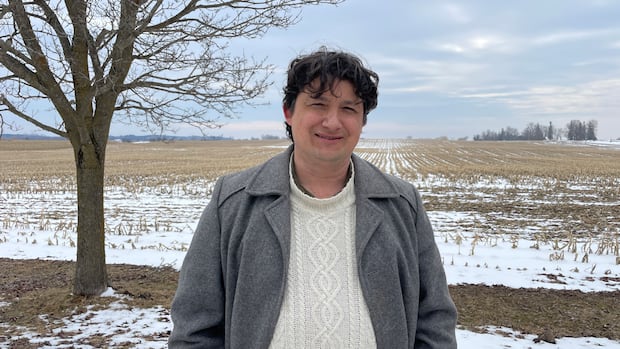
Rural Pickering could be developed into residential community for 72,000 people
A proposal going before Pickering city council aims to transform a big swath of land in the city’s northeast into a residential community for 72,000 people. CBC’s Rochelle Raveendran has reactions from advocates who say the city is moving too fast.
Nagy noted that this order of approvals – meaning having the plan first before conducting studies – isn’t something that local government can change.
She explained that the secondary plan falls under provincial Planning Act regulations and serves as a foundation for conducting these studies. The plan is available on the city’s website and includes details about neighborhoods, housing density, and road layouts.
The funding for these studies will come from Northeast Pickering Landowners Group – which consists of private landowners collaborating with city officials on this project.
City council will grant permission to move forward with development only after completing these necessary studies based on information from staff reports.
Pickering has ‘learning curve’ on consultation: chief
A vote regarding the secondary plan was postponed at end of March since council decided more consultations were needed with First Nations groups.
However, Chief Kelly La Rocca of Mississaugas of Scugog Island First Nation (MSIFN) expressed her disappointment over how quickly they proceeded without an agreement regarding consultation protocols between her group and city officials.
The MSIFN consistently opposes this development while currently negotiating with city representatives about forming a memorandum of understanding (MOU).
The MOU “will confirm the parameters of future consultation protocol,” according to staff reports.
La Rocca declined an interview but stated through her comments that MSIFN aims to ensure their viewpoints are included within this secondary plan. p>
“Pickering has a steep learning curve when it comes to understanding what true consultation entails,” La Rocca remarked while adding MSIFN is committed “to help with this process.” p>A map showing lands being considered for development taken from City of Pickering report June 2021 reveals they’re surrounded by but not part Greenbelt.(Cityof Pickering)
The mayor acknowledged respect towards Chief’s views yet mentioned there was “some urgency” surrounding last week’s vote about this proposal. Since lack approved secondary plans means individual landowners might put forth personal applications directly involving themselves instead leading possible loss oversight policies tied existing ones Ashe elaborated saying if we don’t have one established.”We would lose safeguards leverage [and] policies present within those plans may not exist individual private applications,” he highlighted during discussions on matter.
The mayor anticipates seeing finalized MOU presented before council by end June prior summer break begins.