


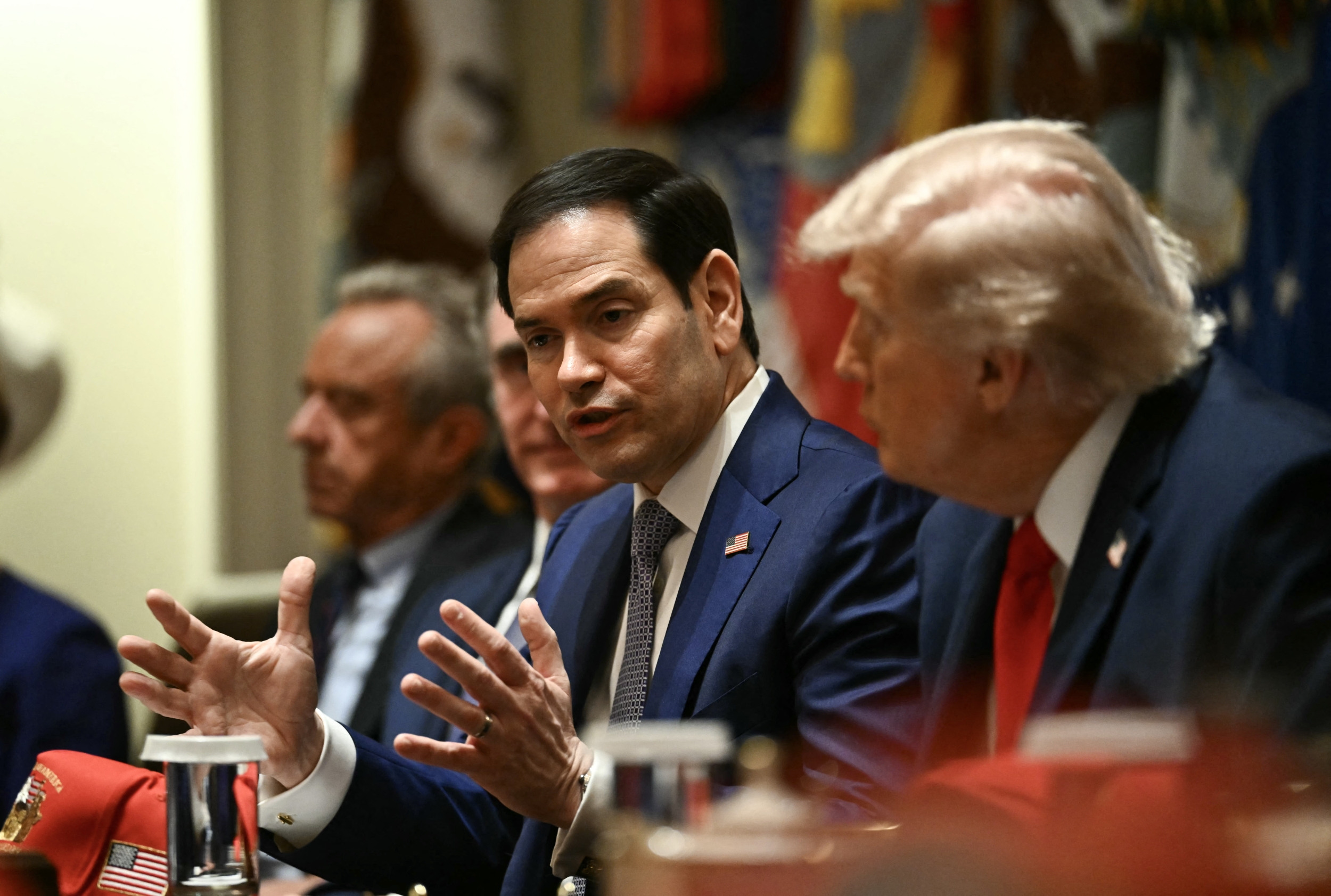
US Secretary of State Marco Rubio speaks during a cabinet meeting in the Cabinet Room of the White House in Washington, DC, on May 27, 2026. Photo by Kent NISHIMURA/AFP via Getty Images In a significant change that indicates a major shift in energy politics across the hemisphere, the Trump administration revealed at its latest Cabinet meeting that over 10 million barrels of Venezuelan crude oil have been delivered to the United States since January 3rd of this year – part of what officials are calling a fast-changing strategic partnership between Washington and Caracas. This announcement was made during an extensive Cabinet meeting where President Trump and high-ranking officials detailed what they described as a complete transformation of the U. S.-Venezuela relationship – evolving from sanctioned enemy to strategic energy partner – in what Secretary of State Marco Rubio referred to as an unparalleled diplomatic and economic realignment. “Over 10 million barrels of Venezuelan oil have been delivered to the United States since the 3rd of January. That industry is being professionalized for the first time ever.” – Secretary of State Marco Rubio
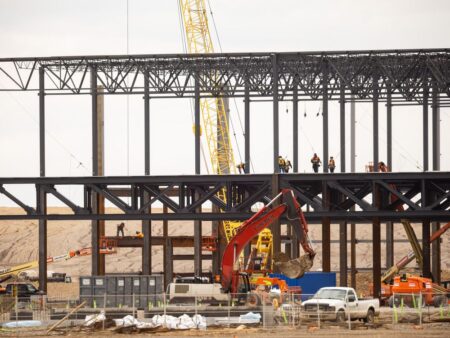
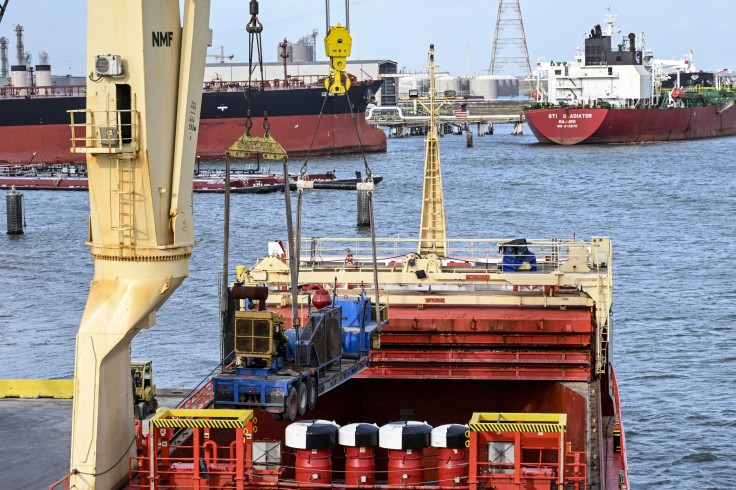 A crane from International Frontier Forwarders, Inc. loads machinery onto the Roibeira, sailing under the Portuguese flag, at the Port of Houston Texas, with equipment for the oil and gas industry bound for Venezuela, on February 25, 2026. Workers in hard hats teem aboard a cargo ship at the Port of Houston, the latest US ship headed to Venezuela after President Donald Trump lifted restrictions to boost oil production in the crisis-hit country. US sanctions have crippled Venezuela for years, but Trump’s administration has been working with interim president Delcy Rodriguez after toppling autocratic leader Nicolas Maduro. Washington has used a carrot-and-stick approach with Rodriguez, praising her for welcoming US oil companies but at the same time threatening her with violence if she does not cooperate. Photo by RONALDO SCHEMIDT/AFP via Getty Images
A New Financial Framework for Venezuelan Oil
One key point made by administration officials is that, for the first time in modern Venezuelan history, oil revenues are being directed away from corrupt or politically connected individuals and toward benefiting everyday Venezuelans. Secretary Rubio noted that funds from Venezuelan oil sales are now being deposited into a U. S.-controlled account overseen by the Treasury Department and audited by KPMG. “The money is going to an account in the United States, controlled and monitored by Treasury, audited by KPMG, and it is for the first time ever -the money is not being stolen. It is going to the benefit of the Venezuelan people.” – Secretary of State Marco Rubio The administration also emphasized what it called a historic stabilization within Venezuela’s political and military environment. Secretary of Defense Pete Hegseth pointed out that a U. S. SOUTHCOM commander had recently arrived by helicopter at the U. S. Embassy in Caracas-greeted warmly by Venezuelan officials-as evidence of their new security collaboration. “You turned Venezuela from a sanctioned adversary into a strategic ally in 45 minutes. Never happened in history before.” – Secretary Doug Burgum, Department of InteriorThe Geopolitical Stakes: Energy Security Across The Region
The Trump administration is framing its partnership with Venezuela not just as an energy deal but as part of a larger strategy across Latin America. President Trump mentioned at this Cabinet gathering that when combining domestic U. S. production with Venezuelan output together they account for around 64% of global oil – if accurate this would represent an extraordinary concentration of energy influence within North America. “When you add Venezuela to it, we have, I think, 64% of the world’s oil.” – President Donald Trump Secretary Hegseth linked this energy partnership directly back to American consumers noting that Venezuelan crude reaching Gulf Coast refineries helps keep gasoline prices stable-a politically sensitive matter given rising costs amid ongoing tensions involving Iran and Strait of Hormuz conflicts. “Venezuela’s a big part of securing our energy future and defending our homeland.” – Secretary of Defense Pete Hegseth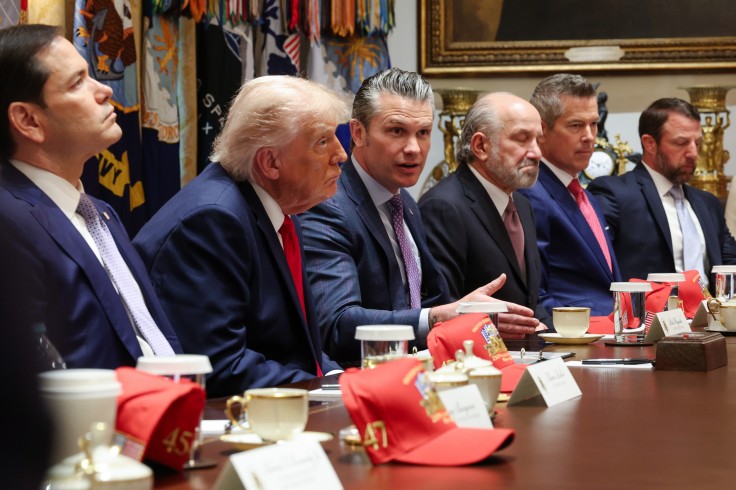 WASHINGTON, DC – MAY 27: U. S. Secretary of War Pete Hegseth (C) speaks as (L-R) U. S. Secretary of State Marco Rubio , U. S. President Donald Trump , U. S. Commerce Secretary Howard Lutnick , U. S. Transportation Secretary Sean Duffy , and U. S. Secretary Of Homeland Security Markwayne Mullin listen during a Cabinet meeting in May 27th session held at The White House located In Washington D. C. Trump meets with his cabinet days after saying A peace deal regarding Iran was “largely negotiated” while discussing plans surrounding reopening The Strait Of Hormuz. Photo by Win Mc Namee/Getty Images
Venezuela has also been included within what this administration calls ‘America’s Counter-Cartel Coalition,’ suggesting that their partnership extends beyond just oil concerns into security issues as well-positioning Venezuela as an ally against drug trafficking activities throughout Latin America.
WASHINGTON, DC – MAY 27: U. S. Secretary of War Pete Hegseth (C) speaks as (L-R) U. S. Secretary of State Marco Rubio , U. S. President Donald Trump , U. S. Commerce Secretary Howard Lutnick , U. S. Transportation Secretary Sean Duffy , and U. S. Secretary Of Homeland Security Markwayne Mullin listen during a Cabinet meeting in May 27th session held at The White House located In Washington D. C. Trump meets with his cabinet days after saying A peace deal regarding Iran was “largely negotiated” while discussing plans surrounding reopening The Strait Of Hormuz. Photo by Win Mc Namee/Getty Images
Venezuela has also been included within what this administration calls ‘America’s Counter-Cartel Coalition,’ suggesting that their partnership extends beyond just oil concerns into security issues as well-positioning Venezuela as an ally against drug trafficking activities throughout Latin America.
A Word Of Caution: Recovery Will Be Challenging
Despite all these optimistic messages coming from Washington , independent analysts studying energy markets are warning against expecting rapid recovery within Venezuela’s oil sector. Years filled with mismanagement , underinvestment, and sanctions have left its infrastructure severely weakened. UBS analysts even suggest it could take up To fifteen years just to restore production levels up To three million barrels per day. Nevertheless , for A nation boasting some Of The largest proven reserves worldwide whose output has dropped nearly seventy-five percent compared To historical highs-even partial recovery driven By partnerships And investments From The US could mean significant changes For both its economy And Latin America’s overall energy scene.May 27th -Cabinet Meeting (Session Video)
Listen To Secretary Of State Marco Rubio’s Full Statement On Venezuela Starting At Thirty Minutes And Fifteen Seconds In.©2025 Latin Times. All Rights Reserved. Do Not Reproduce Without Permission.
Source link