




There’s been a misunderstanding.
It all began, like many things do, with good intentions. European Commission president Ursula von der Leyen aimed to warmly welcome Canada as they kicked off new trade talks. Then things spiraled out of control, leading New Zealanders to seriously ponder whether they might join the European Union from 19,000 kilometers away.
It’s a nice idea, picturing sipping strong espresso in a walkable area while enjoying a long lunch break. But that’s not going to happen. New Zealand isn’t joining the European Union, and neither is Canada. There’s been a mix-up.
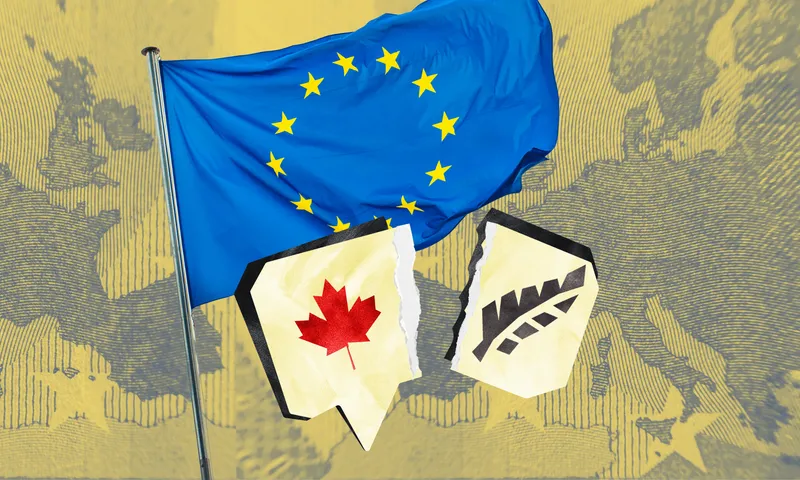
The confusion started when von der Leyen mentioned she wanted to pave the way for Canada to become the EU’s first “associate member.” This caught other member states off guard – and perhaps even Canada itself, which hadn’t really pushed for this status. Canada’s Prime Minister Mark Carney quickly stepped back from that label, praising Europe for its “ambition” but referring to the potential partnership as an “alliance” instead.
New Zealand and Australia then got dragged into the mix after another high-ranking EU official suggested they were looking to “deepen their relationship” with Europe. This led to an Euronews article titled “Australia and New Zealand could follow Canada into associated EU membership,” followed by another polite rejection.
Foreign Minister Winston Peters responded courteously but clearly stated there hadn’t been any talks about becoming an associate member. But honestly, who hasn’t accidentally blurted out something awkward like “I love you” on a first date? If you have, you know that look of confusion morphing into pity before getting a response like: “Ahh, thanks…”
This is somewhat similar to what happened here. The European Union intended to express something along the lines of, “It’s been great getting acquainted; I’d love to grab another drink sometime,” but instead came across as saying, “Let’s have three kids and get married in Martinborough.”
While actual membership isn’t on the table as a serious proposition, it’s nice that Europe thinks of us so positively. New Zealand, Canada, and Europe are all eager to strengthen bonds with trustworthy allies in an increasingly unpredictable world.
Canada had enjoyed almost a century of being closely tied with the United States until Donald Trump shook things up. Now it seeks some sort of casual relationship with Europe while making its first official visit to China in ten years – akin to having coffee with your ex’s ex just to stir some jealousy.
The core issue here involves safeguarding national independence. Smaller nations want the freedom to make their own choices while some major powers are increasingly expecting them just to comply. The EU may not be considered a superpower itself, but it has more citizens than the U. S. and boasts a larger nominal GDP than China. This positions it as a natural hub for smaller democracies trying to avoid pressure from superpowers.
If actual membership were offered by the European Union, it would likely be politically unappealing for both New Zealand and Canada since it would mean relinquishing some decision-making power over lawmakers in Brussels-a significant reason why the UK voted for Brexit back in 2016.
However, there are plenty of chances for closer collaboration ahead. Canada has expressed interest in creating an integrated financial market along with improved visa access for young people plus strategic agreements on energy resources, AI developments, and defense matters. New Zealand could find similar opportunities appealing too. Regardless of how these future alliances shape up, it’s encouraging that we’re part of these discussions.
Source link