





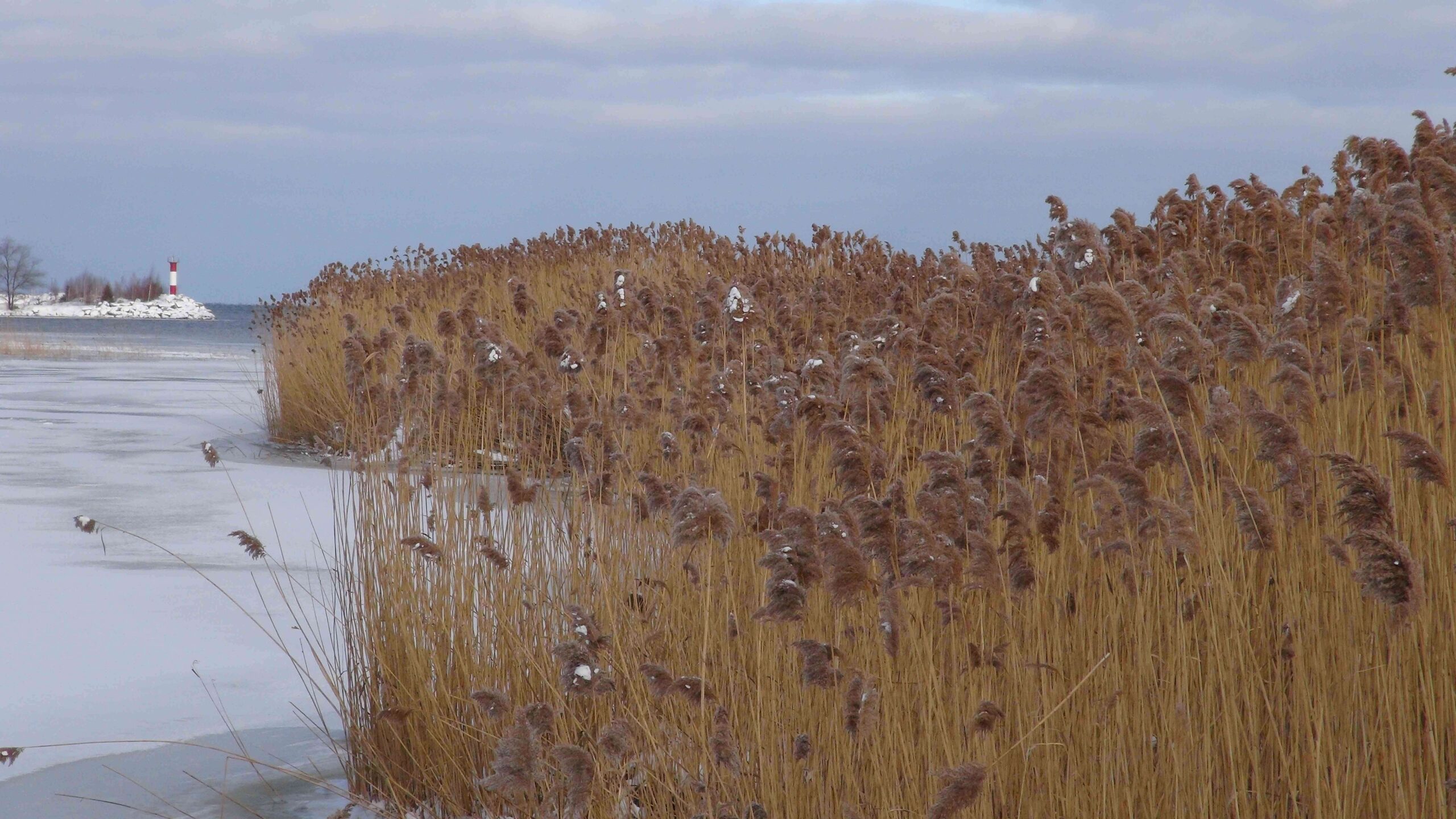
The Ontario Phragmites Action Program is funding 119 projects throughout the province to address the issue of Phragmites, Ontario’s most troublesome invasive species.
Essex County has seen a loss of up to 90 percent of its historical wetlands, many of which have been taken over by this species that spreads quickly and outcompetes native plants.
Working with the OPA, local partners in the county have pinpointed areas where Phragmites are causing serious problems such as blocking drainage systems, contributing to flooding, harming farmland, restricting access to shorelines, and creating hazards on roads.
“Wetlands and municipal drains across the Windsor-Essex County region have been decimated by invasive Phragmites,” said Director of Conservation Services at the Essex Region Conservation Authority, Kevin Money. “Significant progress has already been made, and with continued support, we are confident the wetlands in Canada’s most southernmost region can be restored to healthy, thriving ecosystems.”
This year’s funding will allow local partners and contractors to implement focused control measures in key areas. It’s anticipated that investments will provide $113.4 million annually across Ontario. The funds will go towards mapping, genetic testing, and direct management of invasive Phragmites.
“Our experience tackling invasive Phragmites proves that together we can transform and revitalize landscapes,” added Brett Norman, the director of Habitat Restoration at the Nature Conservancy of Canada. “These projects improve road safety, protect critical infrastructure, and reduce long-term maintenance costs for municipalities.”
Phragmites are originally from Europe and thrive in wetlands, roadside ditches, and along shorelines. Its thick clusters can grow up to six meters tall.
Last year, the Invasive Phragmites Control Fund supported 262 projects across the province.
Source link