




Ontario Construction News staff writer
The Town of Oakville reports that a recent court decision imposing $822,000 in fines for the unauthorized demolition of a designated heritage home and the removal of an old tree sends a clear message about following heritage and environmental protection laws.
The penalties were issued on July 8 in Halton Court Services Provincial Offences Court in Burlington after 1475 Lakeshore Rd. East Inc. pleaded guilty to three charges related to the demolition of the designated property at 1475 Lakeshore Rd. E.
The Ontario Court of Justice instructed the company to pay a total of $822,000 within 30 days. This includes a $700,000 fine for demolishing a designated heritage building against the Ontario Heritage Act, a $50,000 fine for demolishing without a permit under the Building Code Act, and a $72,000 court-ordered payment to the Town’s reforestation fund for taking down an old private tree without permission in violation of Oakville’s private tree protection by-law.
Town officials stated that this ruling reinforces how crucial it is to protect heritage resources and urban forests while making sure all provincial legislation and municipal regulations are followed.
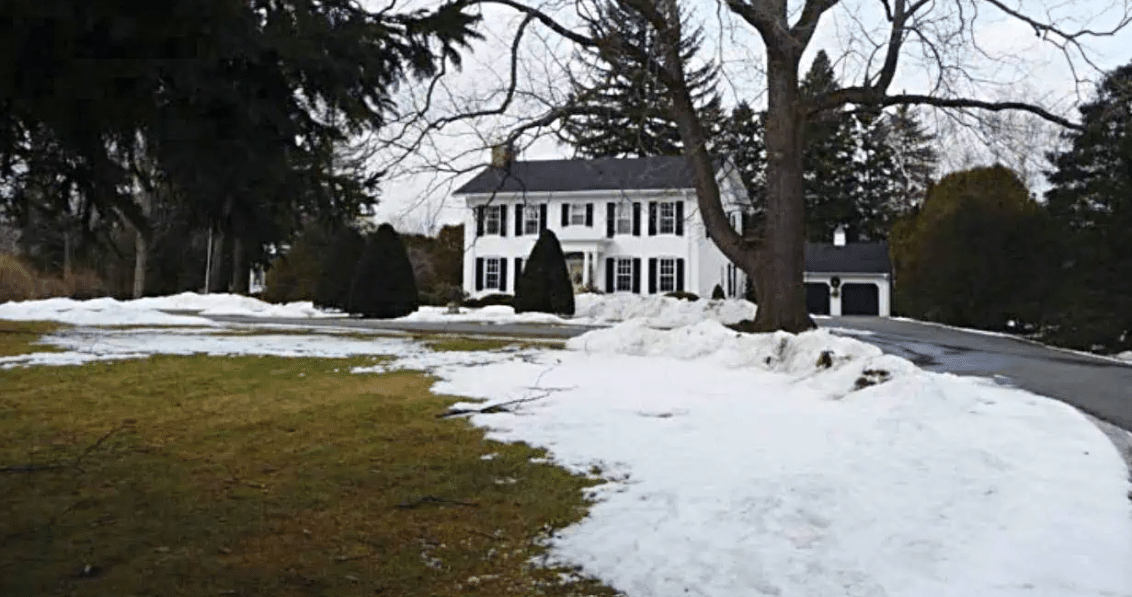
The property, known as the Griggs House or Halfway House, dates back to around 1828 and was recognized under the Ontario Heritage Act due to its historical and architectural importance. The building was one of the earliest inns in the area, catering to travelers along the historic route between Toronto and Hamilton.
This case arose from demolition work that happened in July 2025. According to town officials, staff acted after noticing unauthorized demolition activities and issued a stop-work order before starting an investigation that led to charges under the Building Code Act, Ontario Heritage Act, and Town’s tree protection by-law.
In response to local anger over demolishing one of Oakville’s oldest homes, town leaders took legal action against a development company for destroying this heritage building. The charges included:
Demolition of a building without a building permit Failure to comply with an order Demolition of a designated heritage property without municipal consent Destruction of a tree without a permit
The owner had previously obtained heritage approvals from Oakville Council as part of redevelopment plans which would have relocated and restored the heritage structure while allowing new construction on-site. However, those approvals did not allow for demolishing the designated building.
While acknowledging that losing this nearly 200-year-old structure can’t be undone, town officials emphasized that this court ruling highlights what can happen when necessary approvals aren’t secured before starting work on protected heritage properties.
The town also expressed gratitude towards residents who raised concerns about this property and supported efforts aimed at preserving Oakville’s cultural heritage and natural environment.
Source link