



While it won’t completely fix the homelessness problem in Windsor, a candidate for city council in the west end believes he has a plan that could bring about real change quickly – and cost taxpayers less than a cup of coffee each month.
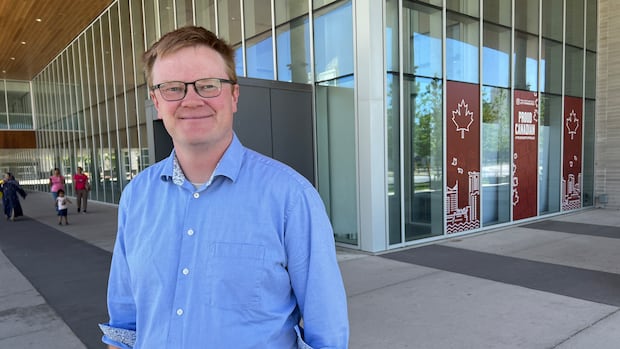
“We’re waiting for government and upper levels of governments to come save us, and they’re not coming,” says Frazier Fathers, who is running for reelection in Ward 2 later this month.
Fathers, who works as a housing consultant, unveiled his proposal last week. He suggests increasing municipal property taxes by one percent over two years to raise around $5 million each year.
According to his calculations, this increase would mean an additional $2.83 per month for the average homeowner in Windsor.
The city would then allocate the $5 million into six different areas, using the funds to stabilize the struggling shelter system, promote necessary affordable housing projects, and help prevent more people from becoming homeless in the first place, among other initiatives.
“I was actually really pleased to read it,” says Kaite Burkholder Harris, co-chair of the Ontario Alliance to End Homelessness.
“I think one of the things I’m finding more and more, the mayoral elections are showing that in Ontario, politicians aren’t great at math,” she said. “This one was good at math. It was actually putting some revenue towards a common challenge that the municipality is facing.”
Fathers’ plan – along with the upcoming municipal election – comes as Windsor faces increasing demand for emergency shelters amid a larger crisis regarding housing affordability.
How the plan would work
Fathers notes that Windsor-Essex spends about $25 million annually on housing and homelessness. Of this total, approximately $4 million comes from local funding – which accounts for roughly 16 percent.
“This is a dramatic under-investment compared to peer service managers in Ontario,” he mentions in his proposal while comparing Windsor’s funding level with regions like London-Middlesex (37 percent) and Hamilton (40 percent).
A homeless man in Windsor, Ontario. (Ken Amlin/CBC Windsor)
Fathers points out that while every city has its own unique situation, those contributing higher amounts can respond faster and with more flexibility since funding from other levels of government – although essential – tends to be “very prescriptive” and “not tied to inflation.”
“They’ve had disposable resources that they can put forward towards new initiatives, whether that’s tiny homes or additional shelter programs or ramping up and shifting services,” he explained.
The annual $5 million generated through his plan would support six key initiatives:
“Non-profit shelter stabilization, helping address operating pressures, protect existing shelter capacity and strengthen the local homelessness response.” ($1 million)”Rent subsidies, emergency rental arrears and supportive housing per diem supports aimed at preventing households from entering homelessness while assisting people move out of shelters more swiftly.” ($1 million)”Affordable transitional and supportive housing feasibility grants designed to provide non-profits cooperatives and charities up to $25,000 for feasibility studies architectural work engineering environmental assessments and other pre-development costs.” ($200,000)”Accessibility renovations aiding homeowners and landlords make permanent accessibility upgrades such as ramps accessible entrances bathroom modifications lifts and widened doorways so aging residents or those with disabilities can stay in their homes.” ($200,000)”Affordable supportive transitional housing capital projects including construction acquisition conversion rehabilitation efforts.” ($2 million)“First-Time Homebuyer Property Tax Grant pilot program intended to assist up to 40 qualifying households yearly for three years purchase affordably priced homes within Windsor’s core.” ($300,000)
The leftover funds totaling around $300,000 would go into a reserve fund.
A Pleasant Surprise – Shelter Executive Responds
While creating this plan Fathers sought input from local non-profits as well as housing providers. For one organization it turned out to be an unexpected but welcome surprise.
“I was surprised when Frazier first reached out,” said Lady Laforet executive director of Welcome Centre Shelter for Women & Families. “In 25 years I have never had a councillor contact me specifically about any project related directly toward what we do at municipal level regarding housing or homelessness.”
Lady Laforet executive director of Welcome Centre Shelter for Women & Families in Windsor. (Welcome Centre Shelter)
Laforet stated conversations with city councillors usually focus on what federal or provincial governments should be doing instead.
“Naturally as someone managing shelters I focused on stabilizing them,” she mentioned when discussing aspects surrounding Fathers’ plan. “But I also appreciated how throughout there were items addressing prevention aftercare increasing rent subsidies ensuring it catered towards broader community needs.”
“[It] wasn’t just focused on homelessness being merely about providing shelter but also viewing it through a system-wide lens.”
Laforet remarked that she finds individual taxpayer contributions reasonable too.
“My initial thought was if $2.83 monthly really poses such difficulty financially then you absolutely should back this considering you may very well need parts of this program if implemented,” she said.
‘We Actually Know How To End Homelessness’: Advocate Remarks
Berkholder Harris who serves additionally as executive director at Ottawa’s Alliance To End Homelessness emphasized how funding within Fathers’ scheme appears “generally well-invested” pointing particularly toward rent subsidy along with preventative measures against homelessness themselves.
“Truthfully we know precisely how ending homelessness works,” she asserted adding “And occurrences happen daily across various locations successfully scaling solutions remains essential which I believe constitutes what this proposal attempts achieving thus commendable seeing.”
She acknowledged possessing slight reservations regarding certain elements namely first-time homebuyer assistance believing those resources could potentially serve alternative avenues effectively stating however small sums directed toward new homeowners render limited impact overall budgetary standpoint exists though relatively low effectuality measures upon actual purchasers.
If able fathers expresses openness engaging dialogue concerning future discussions outlining detailed strategies rather than mere slogans pertaining issues faced by community during current electoral period pushing forth beyond superficial rhetoric.
“We cannot depend solely upon [upper-level governments] coming here save us act wisely now,” he noted adding “If relying solely anticipation large checks arriving three four years later does imply acceptance passivity meantime?”
This marks candidacy among four contenders vying office within Ward Two alongside Anthony Jabbour Nick Markham Cynthia Van Vrouwerff Election Day set October twenty-sixth.
Source link