




Canadian Blood Services (CBS) has announced that Whitby will host a paid collection site for plasma.
On Tuesday, the Ontario Public Service Employees Union (OPSEU) revealed that the Whitby location would be one of five in Ontario managed by Grifols, a Spanish pharmaceutical firm. The union criticized the practice of compensating for plasma donations, claiming it might take advantage of individuals facing financial hardships.
Grifols indicated last year that they plan to open these Ontario sites in 2024.
CBS does not provide payment for blood or plasma donations; however, it operates under an exemption from the Voluntary Blood Donations Act. The organization stated that Grifols will function as one of its agents according to this Act.
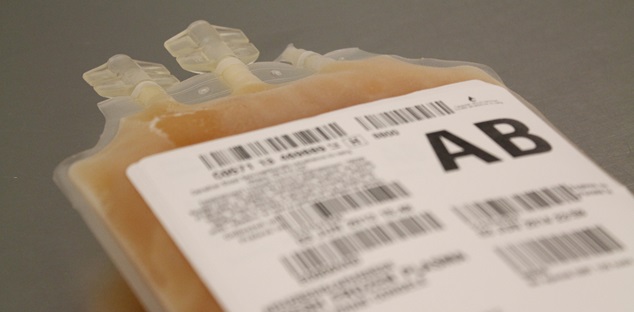
Plasma is a yellowish fluid that makes up a crucial part of human blood. It’s used to create medicines called immunoglobulins, which serve various purposes. These are typically utilized to strengthen weak immune systems or to suppress overactive immune responses attacking the body.
CBS signed an agreement with Grifols in 2022 to enhance Canada’s plasma supply.
The blood agency emphasized that Grifols must ensure all plasma collected in Canada is exclusively used for medications benefiting Canadian patients, aiming to lessen dependence on international sources.
Meanwhile, OPSEU contends this arrangement privatizes plasma collection within Canada. The union also argues it may discourage voluntary blood donations in favor of paid plasma contributions.
Over the past year, OPSEU has campaigned against paid plasma collection sites in Ontario, claiming they could exploit at-risk communities.
The agency maintains that establishing the Whitby site won’t affect national blood collection operations.
A full statement from CBS is as follows:
In September 2022, Canadian Blood Services laid out our action plan addressing a worldwide shortage of medications known as immunoglobulins and the necessary plasma. Our partnership with Grifols-a global healthcare leader in producing plasma-based medicines-is one component of that strategy.
In June 2023, we shared updates regarding Grifols’ commitments to Canadian Blood Services which involve setting up up to five plasma collection sites across Ontario where Grifols will act under the Voluntary Blood Donations Act as our agent. We have approved Whitby as one location since we’ve determined it won’t disrupt national blood system functions.
Compensating donors for their plasma doesn’t imply that medications derived from it are unsafe. During production, all donated plasma (whether compensated or not) undergoes cleaning and purification processes designed to eliminate potential infectious agents.
Health Canada oversees regulations concerning blood and related products within Canada. This includes criteria for donor eligibility and safety protocols such as how frequently a donor can contribute plasma-regardless if they receive compensation or not. Under the Food and Drugs Act, all collection facilities-including those operated by Grifols-must acquire Health Canada licenses and undergo regular inspections just like we do.
The priority for Canadian Blood Services-as Canada’s national blood operator-is ensuring patients continue receiving vital life-saving treatments they require. With support from government funding, we’re opening 11 specialized plasma donation centers (nine have already opened) while increasing our own plasma collections.
We want to stress that our agreement with Grifols doesn’t alter how Canadian Blood Services functions. It means:
Even more plasma will be gathered in Canada for Canadians much sooner. Grifols must exclusively use the collected Canadian plasma for making immunoglobulins intended solely for patients here. And soon enough, immunoglobulins will start being produced at Grifols’ upcoming facility in Montréal.
Through this partnership with Grifols, Canadian Blood Services will continue ensuring the medications we procure maintain the same high safety standards we’ve upheld on behalf of health systems across Canada for over 25 years.
The original release from OPSEU reads:
OPSEU/SEFPO denounces Canadian Blood Services’ announcement about allowing multinational pharmaceutical company Grifols to establish paid plasma collection facilities in Whitby, Cambridge, and Hamilton during late 2024 and into 2025. This initiative comes under an undisclosed 15-year agreement aimed at privatizing Canada’s plasma collection process.
“The only way to keep our blood supply safe in Canada is to keep private, for-profit corporations like Grifols away from it,” stated Geoff Cain from OPSEU/SEFPO’s Executive Board and Chair of their Blood Services and Diagnostics sector. “Canadian Blood Services already collects enough plasma without needing extra centers; we can invest directly into our own facilities while upgrading current donation locations so they can also gather voluntary donors’ plasmas without needing any profit-driven motives.”
Introducing profit-focused collection sites where donors receive payment may not only exploit vulnerable populations but could potentially lead fewer volunteers donating whole blood at Canadian Blood Services thus jeopardizing overall system integrity.”
“We cannot afford any compromises when it comes down ethics versus profits,” expressed JP Hornick who serves as President at OPSEU/ SEFPO.“This public service needs trained professionals following best practices throughout each step involved safely managing all aspects pertaining towards drawing proper supplies off people donating freely instead being motivated solely by monetary gain”
Following past tragedies regarding contaminated transfusions during previous decades; Krever Commission reaffirmed recommendations backed internationally amongst leading organizations such World Health Organization included: Canada’s healthcare framework ought self-sufficient Blood considered communal resource rather than private commodity Donors should never receive payments nor commissions via selling bodily fluids Access towards lifesaving resources ought remain universal regardless personal financial status.
OPSEU/ SEFPO initiated No Paid Plasma. ca campaign recently offering resources encouraging public participation towards halting paid-plasma arrangements within Ontarios regional policies moving forward.
“It’s high time upon CSR cancels ongoing partnerships involving commercial entities like GRIFOLS,” remarked Hornick adding “Blood & Plasma are invaluable assets deserving safeguards keeping them entirely within public domain”.
Cover photo courtesy of Canadian Blood Services.
If you’ve noticed any typographical mistakes please let us know simply highlight text then hit Ctrl+Enter.
Source link