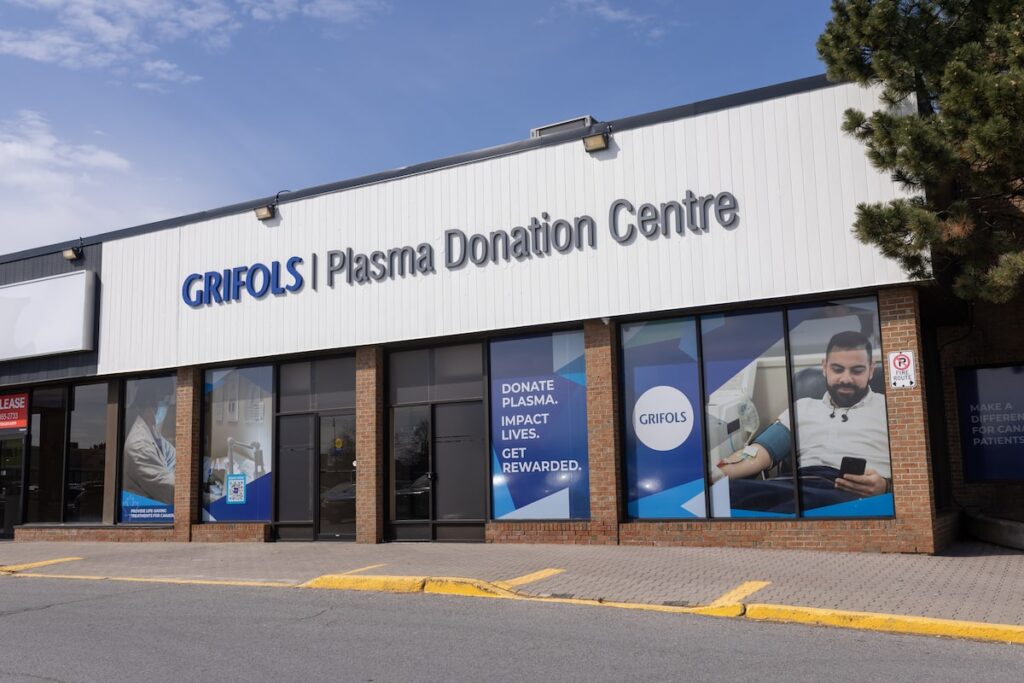
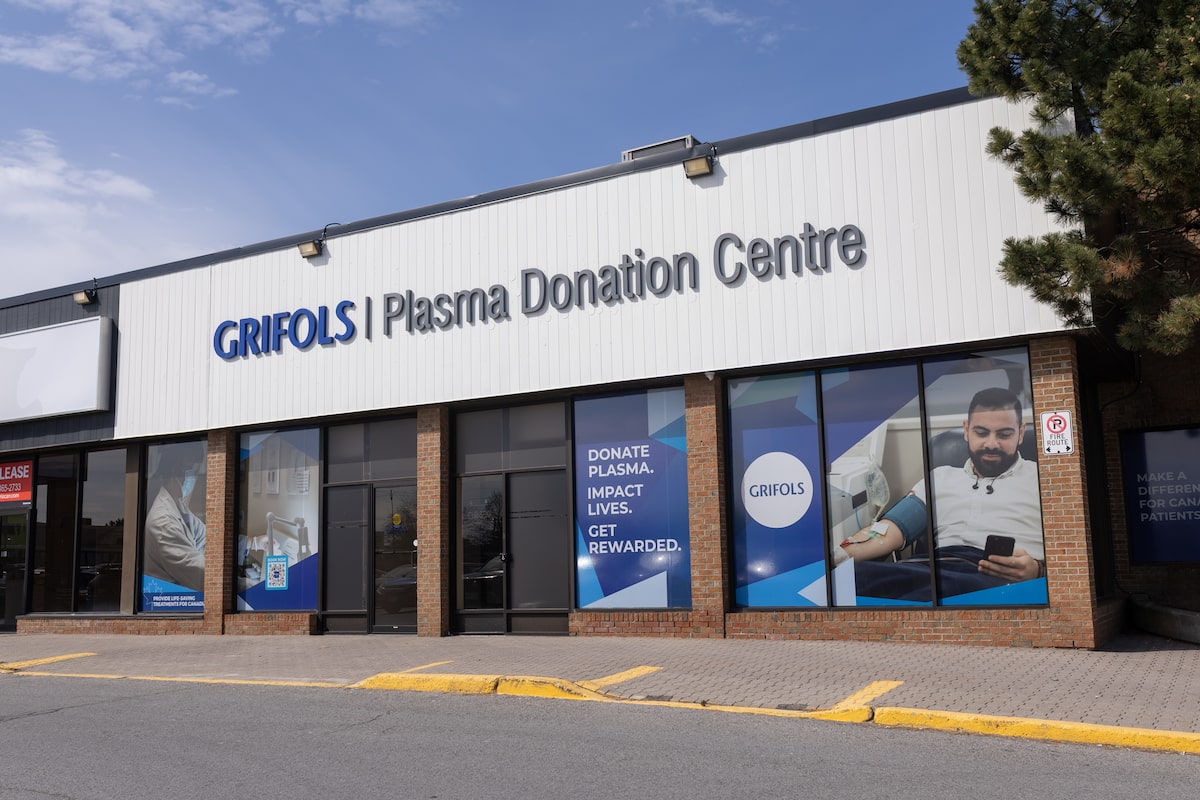
[ad_1]Open this photo in gallery:Health Canada conducted inspections of the Grifols plasma donation centre in Whitby, Ont., in early 2025 before it opened. Shay Conroy/ Ontario ChronicleHealth Canada has announced plans to inspect three private plasma collection centers run by Grifols that began operations in Ontario last year without undergoing inspections. This comes amid worries about issues found at other facilities.In 2025, Grifols launched five for-profit plasma collection sites across Ontario: one in Whitby, one in Hamilton, one in Cambridge, and two in Toronto.Earlier this year, Health Canada inspected the locations in Whitby and Hamilton before they opened. However, as reported by Ontario Chronicle on Monday, the other three sites were authorized without an inspection.Grifols is Canada's largest commercial plasma collector with 17 locations nationwide. The company has faced increased scrutiny following the deaths of two donors in Winnipeg and recent inspections by Health Canada that revealed issues like untrained staff handling alarms on donation machines.Canadians’ plasma is now a liquid asset. Is that ethical? Chris Hannay donated to learn moreWhile Health Canada stated it couldn’t link the October and January deaths to the donation process, the family of one donor who passed away has requested a new investigation due to discrepancies between the autopsy report and government records.André Gagnon, a spokesperson for Health Canada, informed The Globe on Monday evening that inspectors are set to visit Grifols’ facilities in Cambridge and Toronto “in the coming weeks.”He explained that this aligns with Health Canada's policy to inspect all new blood collection sites within a year of their opening.He mentioned that new locations do not require an inspection prior to opening if the operating company already holds an existing license.Grifols’ site in Cambridge opened its doors in June 2025; North York followed suit in July 2025 while Etobicoke started operating in August 2025. This means it's almost been a full year since these three locations commenced operations.Grifols expressed to The Globe that it welcomes any upcoming inspections from Health Canada.Plasma is a protein-rich fluid from blood that's collected and turned into medicine.Based out of Barcelona, Grifols operates as part of a partnership with Canadian Blood Services established back in 2022. While Grifols compensates donors for their contributions, CBS does not offer payment. CBS is a government-funded charity spending $1 billion yearly on procuring plasma-derived medicines from various sources including Grifols.Ontario law prohibits paying blood donors but makes an exception for CBS when needed. The provincial government has permitted Grifols to function as an “agent” of CBS under this legislation.Ontario NDP MPP France Gélinas, who serves as her party's health critic, stated that if the provincial government chooses to provide legal leeway for Grifols, they must at least manage any risks related to donor safety and ensure proactive oversight by Health Canada.“Waiting until tragic fatalities, kidney injuries, and widespread regulatory non-compliances is not good enough; it’s unacceptable,” she said.Why Canada spends $1-billion a year on drugs made from blood plasmaShe added she would prefer seeing blood and plasma collected voluntarily rather than keeping CBS and Grifols locations open.CBS has noted that their partnership represents the best approach for boosting plasma collection within Canada so fewer Canadian patients rely on overseas donors for their necessary treatments derived from plasma.Starting January 28th , Health Canada carried out a virtual inspection of Grifols' headquarters located in Oakville , Ont., interviewing employees while reviewing policies such as record maintenance and staff training protocols. Afterward , they deemed some aspects non-compliant , announcing restrictions regarding licenses effective April 1st which included limiting donor intake at once along with enhancing staff oversight.Deaths associated with plasma donations remain rare ; according to Health Canada's records since 2016 there have been three instances - all occurring within Winnipeg. This includes incidents from October & January occurring at clinics managed by Grif OLS alongside another case documented back during 2018 prior where gr IFOLS wasn’t yet operational here.[ad_2]Source link