



Close Menu
  • Home
  • London
  • St Thomas
  • Toronto
  • Oakville
  • Ottawa
    • Hamilton
    • Richmond Hill
    • Vaughan
    • Windsor
    • Simcoe
    • St. Catharines
    • Thunder Bay
    • Tillsonburg
    • Vaughan
    • Wasaga Beach
    • Waterloo
    • Whitby
    • Windsor
    • Hamilton
    • Kitchener
    • Oakville
    • Ottawa
    • Perth
    • Peterborough
    • Pickering
    • Port Elgin
    • Renfrew
    • Richmond Hill
  • Contact us
What's Hot
Remembering Rita Torti

Remembering Rita Torti

July 5, 2026
Driver Faces Charges After Police Chase in Barrie and Oro-Medonte

Driver Faces Charges After Police Chase in Barrie and Oro-Medonte

July 5, 2026
Push for 24/7 Mental Health Ward in Oshawa Grows

Push for 24/7 Mental Health Ward in Oshawa Grows

July 5, 2026
Kingston Set to Host OHL Draft for the First Time in 25 Years

Kingston Set to Host OHL Draft for the First Time in 25 Years

July 5, 2026
Supreme Court Expands Wealthy Donors’ Influence in Politics

Supreme Court Expands Wealthy Donors’ Influence in Politics

July 5, 2026
Facebook Instagram
Facebook Instagram
Ontario ChronicleOntario Chronicle
Subscribe
  • Home
  • London
  • St Thomas
  • Toronto
  • Oakville
  • Ottawa
    • Hamilton
    • Richmond Hill
    • Vaughan
    • Windsor
    • Simcoe
    • St. Catharines
    • Thunder Bay
    • Tillsonburg
    • Vaughan
    • Wasaga Beach
    • Waterloo
    • Whitby
    • Windsor
    • Hamilton
    • Kitchener
    • Oakville
    • Ottawa
    • Perth
    • Peterborough
    • Pickering
    • Port Elgin
    • Renfrew
    • Richmond Hill
  • Contact us
Ontario ChronicleOntario Chronicle
Home»USA Politics»Supreme Court Expands Wealthy Donors’ Influence in Politics
Views: 430
USA Politics

Supreme Court Expands Wealthy Donors’ Influence in Politics

July 5, 20264 Mins Read
Share Facebook Twitter Pinterest LinkedIn Tumblr Reddit Telegram Email
Supreme Court Expands Wealthy Donors’ Influence in Politics
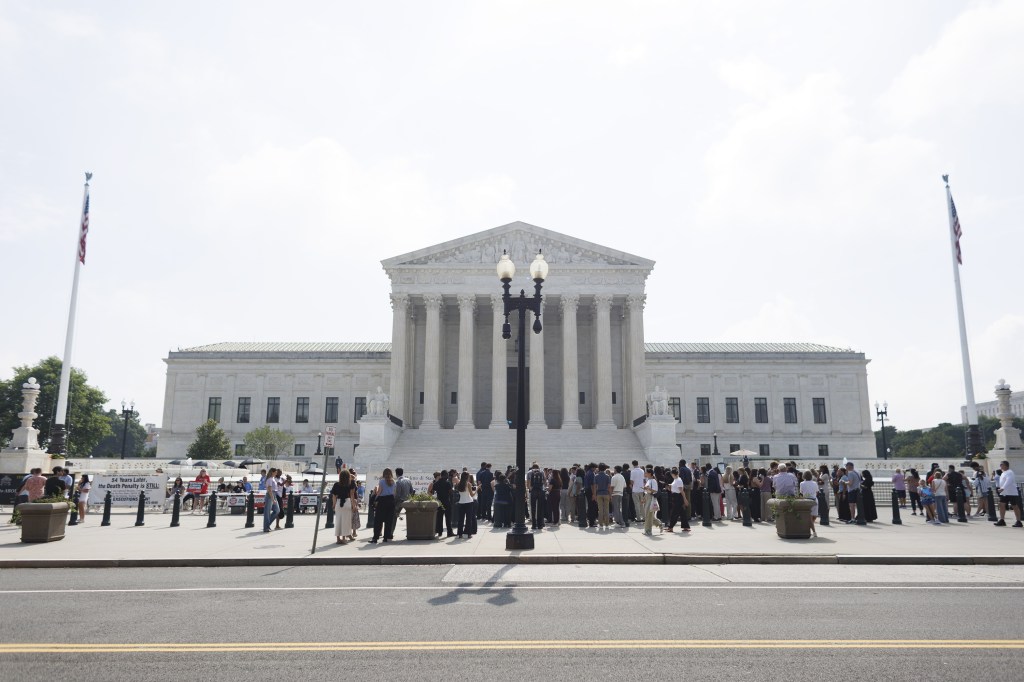
Visitors wait to enter U.S. Supreme Court on June 29 in Washington, D.C. Justices released several opinions before departing on traditional summer recess. (Tom Brenner/Getty Images/TNS)
Share
Facebook Twitter LinkedIn Pinterest Email
The influx of money into U. S. politics is already damaging democracy, and now it’s about to worsen.

The Supreme Court ruled on Tuesday to eliminate limits on campaign spending by political parties working with candidates in a 6-3 decision, continuing the troubling trend initiated by Citizen’s United v. FEC. Without these restrictions, extremely wealthy donors – along with special interests like the firearms and cryptocurrency sectors – can effectively purchase favorable treatment from elected officials, undermining the principle of one-person, one-vote that is fundamental to the U. S. Constitution.

To arrive at this concerning ruling, the court also disregarded prior decisions, overturning a case that had upheld such limits as recently as 2001.

This case, National Republican Senatorial Committee (NRSC) v. Federal Election Commission (FEC), was brought forth by Republican groups and individuals, including Vice President JD Vance when he was still serving as a U. S. senator from Ohio. They claimed that the Federal Election Campaign Act of 1972, which established coordination limits, violated First Amendment rights to free speech and free association by restricting national and state party committees from aligning advertising messages with their chosen candidates.

Current laws allow national political parties to spend large sums on individual candidates – up to about $130,000 for House of Representatives candidates and over $4 million for Senate candidates. However, now a majority of justices have declared there should be no spending limits at all.

The Supreme Court has long maintained that even laws limiting constitutional rights can be acceptable if they pass what is known as “strict scrutiny,” requiring such restrictions to serve a compelling government interest while being precisely tailored to achieve that aim.

Yet the 54-year-old campaign finance law failed this standard according to the justices. Writing for the majority, Justice Brett Kavanaugh emphasized “the important and traditional role of political parties during campaigns.” He argued that coordination limits shouldn’t be allowed because they “impair the party’s traditional forms of communication such as s; preclude parties from amplifying the voice of their adherents; impose additional monetary costs and burdens on political parties; and inflict a stifling effect on the ability of the party to do what it exists to do.”

The NRSC contended that the goal of the Federal Election Campaign Act – reducing money’s influence in politics – was flawed and asserted that constitutional restrictions should only prevent quid pro quo corruption. They argued that removing expenditure limits would actually enhance transparency in campaign financing since large donors would no longer have to channel contributions through Super PACs that don’t disclose donor lists but could contribute directly to parties instead.

Since Citizen’s United v. FEC in 2010 recognized corporate and union political spending as free speech, significant donors have gained disproportionate sway over American elections. The notion that corruption is solely what warrants legal restrictions is an overreach by the Supreme Court into legislative matters.

In her dissenting opinion, Justice Elena Kagan-joined by Justices Sonia Sotomayor and Ketanji Brown Jackson-agreed that this ruling opens doors to exactly what legislation aimed to prevent: allowing donors ways around contribution caps.

<p When Congress enacted the Federal Election Campaign Act in 1972, its intention was clear: reduce money's grip on politics so ordinary voters wouldn’t be overshadowed by wealthy contributors’ influence. Those with deep pockets can now dominate media coverage promoting their preferred candidates even if those interests diverge significantly from those held by average Americans.

If reasonable limits aren’t allowed on coordinated spending during campaigns, why would we expect U. S. politics not to favor those who are wealthy and powerful?

Barbara Mc Quade is a ist for Bloomberg Opinion, professor at University of Michigan Law School, former U. S. attorney, and author of an upcoming book titled “The Fix: Saving America from Corruption Caused by Mob-Style Government.”


Source link

court gave political power rich Supreme U.S. Politics U.S. Politics News United States Political News USA politics VirginianPilot
Share. Facebook Twitter Pinterest LinkedIn Tumblr Email
Previous ArticlePlans Unveiled for Former Espanola Mill Redevelopment
Next Article Kingston Set to Host OHL Draft for the First Time in 25 Years
Lauren Chen
  • Website

Related Posts

Trump’s Controversial Speech at Independence Day Event
USA Politics

Trump’s Controversial Speech at Independence Day Event

July 5, 2026
America Marks 250 Years of Independence Amid Celebrations and Heat
USA Politics

America Marks 250 Years of Independence Amid Celebrations and Heat

July 4, 2026
Burlington Couple Gets Life Sentence for Boy’s Death
Burlington

Burlington Couple Gets Life Sentence for Boy’s Death

July 4, 2026

Subscribe to Updates

Stay updated with the latest news and exclusive content from Ontario Chronicle, delivered straight to your inbox. Sign up now and never miss a story!

loader

At Ontario Chronicle, we are dedicated to bringing you the latest news and updates from across the vibrant cities of Ontario, Canada. From the bustling streets of Brampton to the serene landscapes of Burlington, from the cultural hub of Hamilton to the historic charm of London.

We're social. Connect with us:

Facebook X (Twitter) Instagram Pinterest YouTube
Top Insights
Exciting Dragon Boat Racing at Hamilton’s Waterfest

Exciting Dragon Boat Racing at Hamilton’s Waterfest

July 5, 2026
Intruder Arrested After Women’s Prison Break-In

Intruder Arrested After Women’s Prison Break-In

July 5, 2026
Schedule for LHSC Window Replacement Project

Schedule for LHSC Window Replacement Project

July 5, 2026
Facebook X (Twitter) Instagram Pinterest
  • Home
  • About us
  • Contact us
  • DMCA
  • Disclaimer
  • Privacy Policy
  • Terms and Conditions
© 2026 OntarioChronicle.

Type above and press Enter to search. Press Esc to cancel.

Subscribe to Updates

Stay updated with the latest news and exclusive content from Ontario Chronicle, delivered straight to your inbox. Sign up now and never miss a story!

loader

✅

You're Subscribed!

Thanks for subscribing to Ontario Chronicle. You'll start receiving updates shortly.