




By Adam Cancryn, Kevin Liptak, Kaitlan Collins, CNN
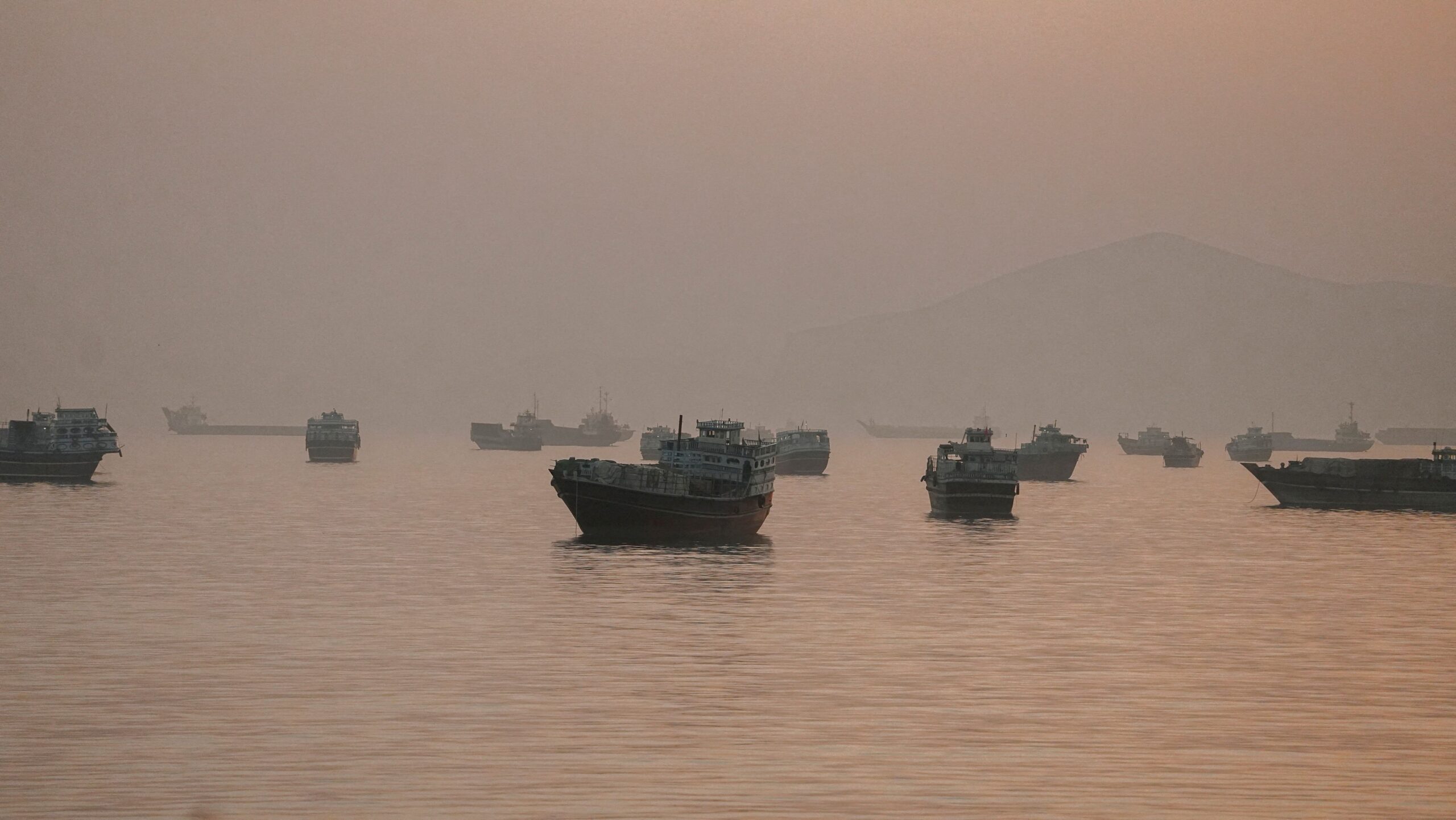
(CNN) – President Donald Trump caught many of his Gulf allies and even some of his own staff off guard with his idea to impose a toll on the Strait of Hormuz. This led to an urgent international effort to persuade him to backtrack on this demand, according to several sources familiar with the situation who spoke to CNN.
The sudden announcement made on Monday came despite months of warnings from Trump’s advisers who cautioned against such a move. They feared it would jeopardize U. S. war objectives and legitimize Iran’s alleged plans to charge fees in the strait, which the administration had often described as illegal.
However, amidst escalating tensions over the strait that had pulled the U. S. back into full-scale conflict, a frustrated Trump decided to push forward regardless.
“The U. S. A. will be, from this point forward, known as ‘THE GUARDIAN OF THE HORMUZ STRAIT,’” he posted on Truth Social Monday morning, announcing plans for a 20% toll on all cargo passing through the strait.
This unexpected directive initiated a frantic 24-hour scramble within the administration and across the Middle East to clarify details about a proposal that seemed like it was made up on the fly by Trump. While he changed his mind by Tuesday, this incident highlighted Trump’s unpredictable and transactional style when it comes to foreign policy-even during an ongoing war where he seems unsure how to reach a resolution.
Inside the White House on Monday, aides hurriedly worked out logistics for establishing such an unprecedented tolling system. They needed to figure out who would be responsible for paying these fees and how collection would take place. Initially, many officials assumed shippers would cover these costs; however, things got more complicated when Trump later announced that U. S. allies in the Gulf would actually be footing the bill instead.
Meanwhile, leaders from those same Gulf nations were desperately trying to reach Trump by phone in hopes of convincing him not to pursue this idea at all.
By Tuesday morning, after numerous appeals from countries including Saudi Arabia, the United Arab Emirates, Bahrain, and Qatar-their efforts paid off. Instead of having the U. S. collect tolls as originally planned, Trump declared that these countries had agreed to invest new but unspecified amounts into U. S. ventures.
The Gulf nations have already pledged trillions of dollars toward investments in America; however, it remains uncertain how much they will actually disburse over coming years.
“I put it out yesterday; I thought it was good,” Trump remarked Tuesday regarding his unconventional tolling plan. “I was called by different people-different countries-kings and emirs-all those folks we know and love. And they’ve been strong partners indeed. And they said we’d love to do it a different way.”
A White House official echoed Trump’s statements publicly saying that given Iran’s breaches of agreements aimed at keeping open navigation through the strait-the president “has always kept all options on the table” adding that he wisely concluded that “the United States should be reimbursed for our many years of protecting ships transiting this waterway.” Ultimately he found our Gulf allies’ offer for investments into America more appealing.
Since bringing U. S forces back into active conflict last week; Trump has claimed victory in war is nearly complete suggesting another brief but intense bombing campaign could force Iran into compliance while maintaining insistence that access through Strait of Hormuz stays free and clear.
Yet those assertions clash sharply with ground realities including Iran’s ongoing threats toward vessels attempting passage through this crucial channel leading shipping traffic there has significantly decreased causing oil prices surge higher than levels seen prior due US-Iran peace agreement last month.
Trump had hinted at imposing fees earlier during various flashpoints throughout war expressing frustration over vital shipping routes he’s complained about securing alone although America does not rely upon them for its oil supplies directly.
In April; he suggested charging fees since “we’re winners” in conflict only later proposing notion of creating joint venture alongside Iran control activities over straight more recently threatening establish tariffs if no permanent peace deal achieved portraying them merely as “reimbursement” covering wartime costs incurred thus far.
Despite these proposals facing consistent resistance from advisors close discussions noted they argued fresh restrictions could elevate oil/gas prices driving further political pressure Republicans ahead midterms likely hinge affordability issues looming overhead instead.
Worse still-they warned-it contradicts principles articulated opposing any nation levying charges upon waterways recognized internationally.
“No country is allowed charge tolls or fees upon international waterways-that’s existing international law,” Secretary State Marco Rubio stated late June signing onto joint statement rejecting any attempts assert control or impose charges Strait Hormuz asserting norms apply worldwide expect apply here too.”
Iranian Foreign Minister Abbas Araghchi promptly seized opportunity commenting Monday declaring: “POTUS is absolutely right whoever provides secure safe passage commercial vessels should receive compensation service rendered.”
“20% certainly too high-we’ll negotiate fairly,” he added finally wrapping up remarks clarifying intentions further down line clarifying terms discussed previously without specifics noted around threshold limits proposed initially set forth earlier suggestively rather contentious matter overall pertinent discussions seem flow continuously present given complexities involved directly affect relationships between parties engaged talks surrounding policies devised regulate conditions transit occurring herein mentioned locations regularly.”
The-CNN-Wire
™ & © 2026 Cable News Network Inc., Warner Bros Discovery Company All rights reserved.
Source link