




Your support helps us to tell the story
From reproductive rights to climate change to Big Tech, The Independent is on the ground when the story is developing. Whether it’s investigating the financials of Elon Musk’s pro-Trump PAC or producing our latest documentary, ‘The A Word’, which shines a light on the American women fighting for reproductive rights, we know how important it is to parse out the facts from the messaging.
At such a critical moment in US history, we need reporters on the ground. Your donation allows us to keep sending journalists to speak to both sides of the story.
The Independent is trusted by Americans across the entire political spectrum. And unlike many other quality news outlets, we choose not to lock Americans out of our reporting and analysis with paywalls. We believe quality journalism should be available to everyone, paid for by those who can afford it.
Your support makes all the difference. Read more
The 60-day ceasefire that was agreed upon by the US and Iran three weeks ago fell apart on July 8. Iran attacked vessels passing through the Strait of Hormuz without its consent, which led to US strikes against various military targets in Iran.
President Donald Trump declared that the ceasefire was “over,” stating that further discussions would be a “waste of time,” leading both sides into more attacks against each other. We spoke with Scott Lucas, an expert in Middle East and US politics at the Clinton Institute, University College Dublin, about why hostilities have resumed and what could happen next.
Why has Iran reignited this conflict – wasn’t the 14-point deal seen as a win for them?
The clashes stem from control over the Strait of Hormuz, where about 20% of global maritime oil and gas traffic occurs. Iran claimed control just days after war broke out. The Trump administration needs to regain this control; otherwise, they’ll have no choice but to negotiate based mostly on Iranian terms.
Since declaring a ceasefire in April, there have been multiple rounds of skirmishes. Iran has targeted several ships trying to navigate through without Tehran’s approval while hindering any effort from Washington to create a shipping lane off Oman that bypasses Iranian oversight. In response, US military forces have struck Iranian military locations along its southern coast. After several days of back-and-forth attacks, both parties usually pull back.
However, there’s an interesting twist this time around. The US not only hit military targets but also two civilian bridges connecting Tehran with Mashhad.
I think this might have been more symbolic than a significant escalation – especially since Ali Khamenei’s funeral took place in Mashhad last Thursday. Nonetheless, it’s something worth monitoring in case Trump’s team considers further actions against civilian infrastructure.
What role are Gulf states playing and how are they responding?
Iran’s retaliation sends a strong message following their survival of initial US-Israeli strikes – indicating they can endure pressure while causing turmoil throughout the region.
During Israel’s 12-day conflict in June 2025, Tehran avoided attacking Gulf states but has now signaled it won’t hold back anymore-resulting in serious impacts on both political dynamics and economic conditions among six Gulf nations.
Pakistani Prime Minister Shehbaz Sharif (Reuters)
This triggered various consequences among those countries. The United Arab Emirates is forging closer ties with Israel and Trump’s team. Saudi Arabia expressed frustration over perceived inadequate protection early during warfare but still wanted Trump’s administration to deploy ground troops aimed at forcing Iranian surrender.
When that didn’t happen as hoped for by Riyadh, they opted for a dual approach – facilitating Pakistan’s mediation efforts while encouraging US intervention aimed at undermining Tehran’s influence.
Qatar has positioned itself as another mediator alongside – or perhaps beyond – Pakistan’s role while Oman tries balancing cooperation with Iran along with adhering to Trump’s expectations regarding Strait operations. Bahrain typically follows Saudi leadership while Kuwait simply desires peace amid chaos.
Is there any chance that US strikes could incapacitate Iran militarily?
<p Throughout this conflict thus far, strikes from US-Israel alliances have resulted in casualties among notable Iranian leaders while damaging critical military installations including naval assets along with missile launchers and drone production sites.
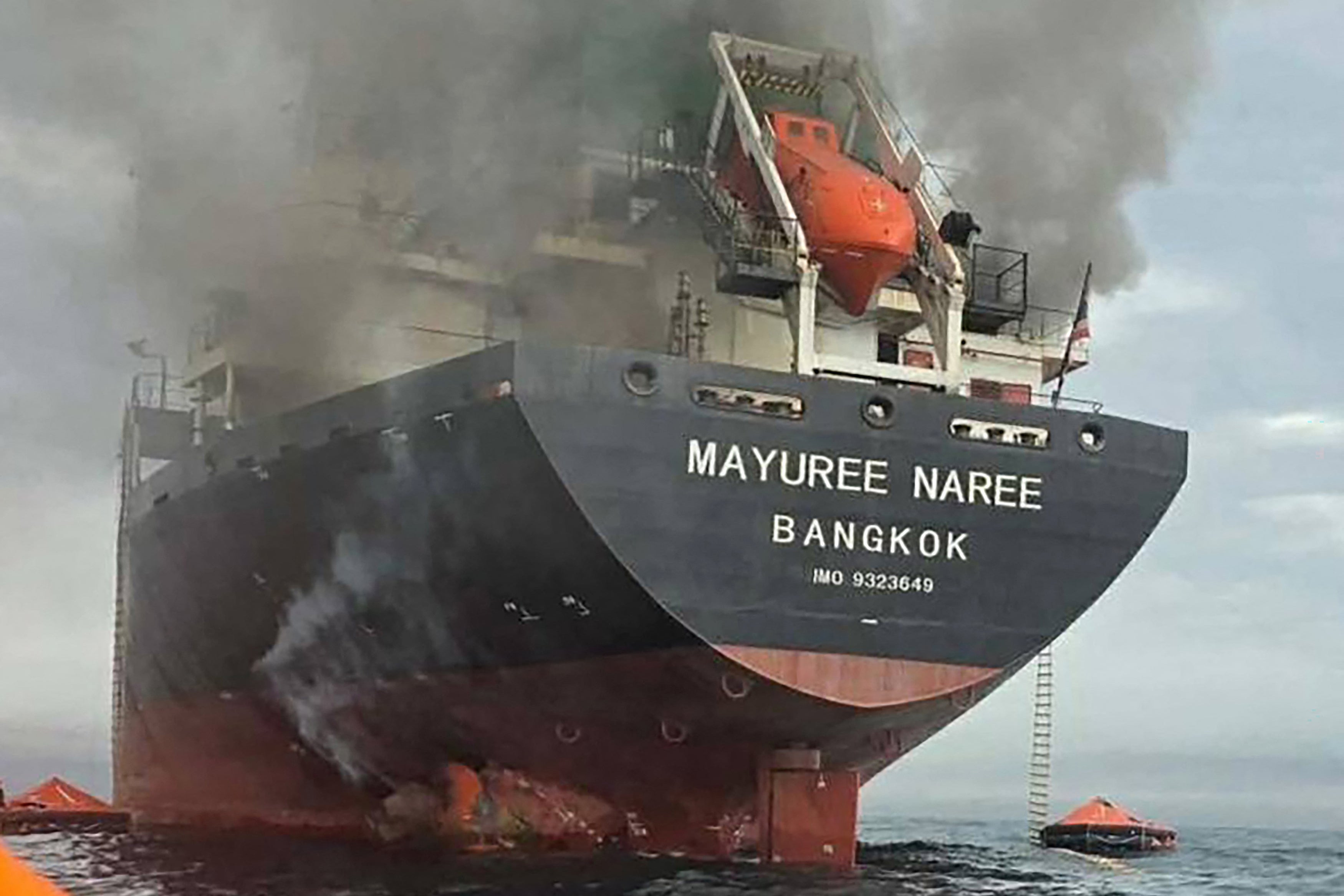
Mayuree Naree, a Thailand-flagged bulk carrier damaged by projectiles during an incident in March 2026 (Royal Thai Navy)
US intelligence estimated back in May that around 70% of pre-war missile stock remained intact along with approximately 70% functionality regarding their launchers too-only three Iranian missile sites near waterways faced accessibility issues according assessments given then.
Not only does this allow Iran continued authority over navigational routes like those within Hormuz strait systems; it enables retaliatory capabilities directed toward Israeli positions plus Gulf states’ interests as well! Meanwhile President Trump seems stuck grappling limitations unable effectively acquire uranium stock resources targeted earlier this spring!
<h2 Who holds greater resilience today: sanctions-strapped Iran or Trump’s administration facing impending elections?
The current state puts regime resilience ahead compared preceding wartime circumstances despite previous economic woes prompting January protests-it risks facing similar burdens unless prolonged peace offers rebuilding opportunities become viable.Despite potential sanctions relief unfolding alongside asset releases down path ahead; costs incurred nearing $270 billion (£201 billion) resulting largely from war damages inflicted onto core infrastructures remain daunting challenges moving forward!For now though maintaining defiant public displays takes precedence over addressing these urgent matters-Hormon’s Strait which once allowed unimpeded vessel transit until February end rests firmly under Persian command posing global economic shocks outweighing local struggles dramatically!Scott Lucas serves as Professor specializing International Politics located within Clinton Institute housed inside University College Dublin.This article appears courtesy sourced directly via The Conversation operating under Creative Commons licensing protocols linked here originally piece.Prior engagements showed readiness amongst Iranians willing accept limits surrounding uranium enrichment processes paired renewed inspections previously disrupted due conflicts arising throughout earlier years’ wars; yet presently negotiations shifted focus solely addressing straits resolution instead now!Unless forced open access returns swiftly via military means applicable resolutions likely see benefits accrue towards Persia unattainable prior established timelines encompassing asset unfrozen scenarios including potential private reconstruction fund estimates hitting upwards $300 million tagged onto assistance aids required thereafter too detailed breakdowns emerge post-evaluations arise continuing aftermath results respectively!Thus far disappointments loom ominously overshadowing Republican agenda needing decisive advances towards coercive outcomes failing expectations brought forth overall demands exerted chiefly losing grip altogether becoming increasingly vulnerable politically speaking confronting negative sentiment growing louder domestically driving backlash concerns amidst backdrop declining popular supports echoing frustrations rising sharply surrounding self-inflicted hardship endured impacting lives across board troublingly indeed showing signs reflected deeply felt nationwide repercussions cumulatively influencing perceptions resonating felt broadly concerning future outlook shifting adversely thereby affecting prospects negatively.
Source link