




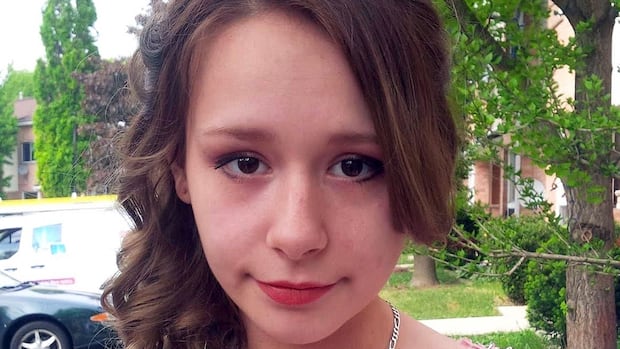
Heather Winterstein was an Indigenous woman dealing with multiple personal challenges, which increased her chances of a negative experience in the healthcare system, as revealed during the Ontario coroner’s inquest into her death in hospital in 2021.
Dr. Suzanne Shoush, a family doctor who studies how Indigenous people navigate healthcare, testified at the inquest on Tuesday to help jurors understand how “biases” and stereotypes impact the healthcare system.
Winterstein, who was 24 years old, died from sepsis, a severe reaction to bacterial infection that harms the body’s tissues and organs, on Dec. 10, 2021 – after visiting the emergency department at St. Catharines hospital for body pain following a fall for two days straight.
Shoush testified that Winterstein faced significant risk of being judged based on social and behavioral factors rather than valid clinical indicators. She is also the Indigenous faculty lead at the University of Toronto’s department of family and community medicine.
She pointed out that systemic anti-Indigenous racism tied to colonialism is entrenched in Canada’s healthcare system, where less than one percent of doctors are Indigenous.
“We often assume the worst about Indigenous patients. We assume they’re homeless, we assume they’re lazy, we assume they’re unemployed, we assume they are suffering from substance use disorder, that they don’t help themselves, that they are unhygienic, that they have lower intelligence, that they … are unwilling to follow instructions and are sometimes even unable to understand clinical instructions.”
This kind of bias leads to shorter lifespans for Indigenous people in Canada and increases their chances of preventable deaths along with longer wait times for care and other health-related issues,” said Shoush.
“Indigenous people have consistently, and reliably and predictably worse outcomes than non-Indigenous patients in Canada.”
![]() Winterstein, middle, with her mom, Francine Shimizu-Orgar, left, and her brother, Ronan Shimizu-Obee, in an undated photo. The 24-year-old’s family are among those who’ve raised concerns about how she was treated in hospital. (Submitted by Jill Lunn)
Diving into Winterstein’s first visit to the emergency department on Dec. 9: the doctor concluded she didn’t have an infection but instead attributed her symptoms to “social issues,” noting she had a history of generalized anxiety along with substance use.
Winterstein, middle, with her mom, Francine Shimizu-Orgar, left, and her brother, Ronan Shimizu-Obee, in an undated photo. The 24-year-old’s family are among those who’ve raised concerns about how she was treated in hospital. (Submitted by Jill Lunn)
Diving into Winterstein’s first visit to the emergency department on Dec. 9: the doctor concluded she didn’t have an infection but instead attributed her symptoms to “social issues,” noting she had a history of generalized anxiety along with substance use.
This led Shoush to explain how such assumptions increase bias risks or stereotypes against patients like Winterstein; there was also a greater chance her reports of intense pain wouldn’t be linked back to physical causes. For example , language around intravenous drug use appeared within early sections almost every medical document regarding Winterstein. ” Heather is an Indigenous woman who had layers of stigmatized characteristics , ” said Shoush. ” Stereotypes compound each other. “ She also shared her own story as an Indigenous woman raised by a Black father , mentioning even she isn’t immune from facing anti-Indigenous biases. ” The stereotypes are so deeply ingrained and deeply cultural. It’s not escapable by anybody. That would include me.”Stereotypes deeply ingrained , deeply cultural
When asked further questions , Shoush confirmed it’s crucial for frontline healthcare staff undergo training focused on cultural safety addressing inequities.
” This is livesaving and.. life-protecting it’s critical , ” she stated while drawing parallels between this training necessity alongside CPR instruction needed by front-line personnel aiding cardiac arrest cases.
Concerns over how Winterstein was treated
Winterstein belonged to the Cayuga Nation with connections to Six Nations of the Grand River. Her family and community organizations have expressed concerns about whether discrimination related to addiction or anti-Indigenous racism impacted her treatment.This led Shoush to explain how such assumptions increase bias risks or stereotypes against patients like Winterstein; there was also a greater chance her reports of intense pain wouldn’t be linked back to physical causes. For example , language around intravenous drug use appeared within early sections almost every medical document regarding Winterstein. ” Heather is an Indigenous woman who had layers of stigmatized characteristics , ” said Shoush. ” Stereotypes compound each other. “ She also shared her own story as an Indigenous woman raised by a Black father , mentioning even she isn’t immune from facing anti-Indigenous biases. ” The stereotypes are so deeply ingrained and deeply cultural. It’s not escapable by anybody. That would include me.”