



Heather Winterstein’s family is asking an inquest jury to rule that her death from sepsis in a St. Catharines, Ont., hospital in 2021 should be considered homicide, citing biases and mistakes made during her evaluation and care.
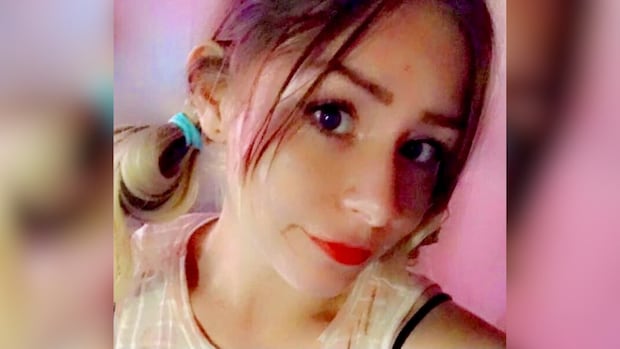
Winterstein, 24, was a member of the Cayuga Nation with connections to Six Nations of the Grand River. She was taken by ambulance to the hospital two days in a row after a fall. On December 9, she was discharged but returned to the emergency department the next day, where she collapsed after waiting for 2½ hours and later died despite efforts to revive her.
Rachael Gardner, representing the family, stated during Monday’s inquest that “actions and omissions” while Winterstein sought medical assistance “amounted to homicide.”
Gardner and others presented final arguments on Day 14 of the inquest.
A coroner’s jury is responsible for answering questions about the medical causes of death and determining whether it was due to natural causes, an accident, homicide, suicide or remains undetermined. Jurors can also suggest recommendations based on evidence but cannot assign legal responsibility or blame anyone.
“Heather was a patient facing several characteristics placing her at risk of bias: being Indigenous woman with substance use challenges who appeared homeless alongside mental health history,” added Gardner.
Aidan Johnson representing Niagara Regional Native Centre supported this view arguing systemic racism played heavily into what led up towards Winterstein’s passing.
“Bias is integral part defining systemic racism-and its fatal consequences.” Dr. David Eden , presiding officer over this inquiry , informed jurors they’d receive summary information regarding post – mortem findings related specifically towards Heather. Portions showing ‘ pathology narrative ’ highlighted autopsy performed December 13th ,2021. It indicated pathologist determined cause-of-death resulted from sepsis arising bacterial infection within bloodstream without source identified upon examining skin/internal organs.![]() The St. Catharines’ facility underwent name change Marotta Family Hospital effective early this year illustrated here recently.(Diona Macalinga/CBC)
Reportedly , prior falling down flight stairs whilst carrying bags mere days preceding demise autopsy findings showed absence signs trauma contributing otherwise toward fatality outcome document stated.
During autopsy analyzing blood samples looking narcotics uncovered substances present none reaching levels deemed lethal ‘acute toxicity’ excerpt noted including fentanyl(classified powerful opiate), flualprazo lam(illicit sedative) benzoylecgonine breakdown product cocaine/methamphetamine.
The St. Catharines’ facility underwent name change Marotta Family Hospital effective early this year illustrated here recently.(Diona Macalinga/CBC)
Reportedly , prior falling down flight stairs whilst carrying bags mere days preceding demise autopsy findings showed absence signs trauma contributing otherwise toward fatality outcome document stated.
During autopsy analyzing blood samples looking narcotics uncovered substances present none reaching levels deemed lethal ‘acute toxicity’ excerpt noted including fentanyl(classified powerful opiate), flualprazo lam(illicit sedative) benzoylecgonine breakdown product cocaine/methamphetamine.
![]() CBC reached out contacting Stephanie Rea addressing issue manager Ontario Office Chief Coroner seeking clarity possible outcomes following issuance homicide finding by any relevant jurisdictions involved subsequently afterwards.’
Rea mentioned families could pursue police investigations if juries declare homicides though Ontario Chief Coroner Office won’t play role therein further work taking place subsequently’.Rea confirmed charge served upon jurors upcoming Tuesday shall encompass definitions necessary understanding applicability should arise throughout deliberations undertaken henceforth moving ahead thereafter’.’In conclusion overview given scope inquiry began March thirty-hearing detailed nearly two dozen witnesses sharing accounts themselves testimonies shared thus far.’
CBC reached out contacting Stephanie Rea addressing issue manager Ontario Office Chief Coroner seeking clarity possible outcomes following issuance homicide finding by any relevant jurisdictions involved subsequently afterwards.’
Rea mentioned families could pursue police investigations if juries declare homicides though Ontario Chief Coroner Office won’t play role therein further work taking place subsequently’.Rea confirmed charge served upon jurors upcoming Tuesday shall encompass definitions necessary understanding applicability should arise throughout deliberations undertaken henceforth moving ahead thereafter’.’In conclusion overview given scope inquiry began March thirty-hearing detailed nearly two dozen witnesses sharing accounts themselves testimonies shared thus far.’
Source link
Differences Between Inquest and Trial Homicide Rulings
An inquest’s homicide ruling differs from one made at trial where someone could be found criminally liable for a death, as explained by Gardner. A jury at an inquest can conclude there was homicide if there were “non-accidental” actions leading to injury that significantly contributed to death. This applies to Winterstein’s case according to her family’s lawyer during the hearing. When Winterstein first visited St. Catharines hospital (now known as Marotta Family Hospital), she experienced severe pain; however, emergency department physician Dr. Emad Nour ruled out infection because she didn’t have a fever, as previously noted at the inquest. Nour decided against conducting blood tests and attributed her symptoms to “social issues.” He referenced her history of substance use and anxiety disorder in his notes before sending her home with a bus ticket and Tylenol along with instructions to return if things worsened based on other testimonies presented. The inquiry heard earlier insights from infectious disease specialist Dr. Dominik Mertz stating some individuals with sepsis may not exhibit fevers. Mertz indicated that bloodwork might have revealed signs of inflammation or possible organ dysfunction suggesting an infection which likely would have led to Winterstein receiving antibiotics that could have saved her life. “Had a proper assessment and treatment been conducted, Heather would have had her best chances for survival,” Gardner argued. The same situation occurred on December 10 when Winterstein returned to the hospital only to be sent back into the emergency department waiting area. Video evidence shown during Friday’s hearing depicted her struggling for comfort while seated in a wheelchair and lying on the floor at times as she awaited medical attention before ultimately collapsing. Francine Shimizu-Orgar, left, with Heather in an undated photo. The 24-year-old’s family wants the coroner’s jury to determine her death was a homicide. (Submitted by Jill Lunn) As per hospital protocol, Winterstein should have been reassessed every 15 minutes while waiting in emergency care; however, it was revealed at the inquiry that no such assessments took place. The triage nurse admitted that they were understaffed amidst high patient volumes during peak times of COVID-19 pandemic response. “Heather wasn’t passive while facing illness,” said Gardner. “She got herself twice into the hospital-the place equipped with tools and people who could help.”Factors Leading To Bias Against Winterstein
Gardner mentioned testimony from Dr. Suzanne Shoush regarding biases present within health care systems-especially anti-Indigenous racism-as well as how factors like housing instability or mental health issues affect patient treatment negatively.“Heather was a patient facing several characteristics placing her at risk of bias: being Indigenous woman with substance use challenges who appeared homeless alongside mental health history,” added Gardner.
Aidan Johnson representing Niagara Regional Native Centre supported this view arguing systemic racism played heavily into what led up towards Winterstein’s passing.
“Bias is integral part defining systemic racism-and its fatal consequences.” Dr. David Eden , presiding officer over this inquiry , informed jurors they’d receive summary information regarding post – mortem findings related specifically towards Heather. Portions showing ‘ pathology narrative ’ highlighted autopsy performed December 13th ,2021. It indicated pathologist determined cause-of-death resulted from sepsis arising bacterial infection within bloodstream without source identified upon examining skin/internal organs.
Previous Inquests Resulting Homicide Findings
Homicide rulings issued via inquiries aren’t common compared against other manner-cause determinations established juries but occur nonetheless. For instance just last year -2016 incident involving Soleiman Faqiri occurring Central East Correctional Centre Lindsay Ontario classified homicides resulting numerous recommendations offered thereafter. Faqiri struggled through intense mental health crisis ultimately succumbing guards’ actions subsequent events unfolded surrounding situation involved him.Last year Thunder Bay jurors designated Sherman Kirby Quisses’ untimely passing stemming altercation inmate previously dropped murder charges likewise classified homicides.Source link