



The newly elected mayor has filed a complaint with the Ontario Ombudsman and plans to ask the county to shut down the asylum centre.
Asylum seekers are expected to begin their new lives in town very soon.
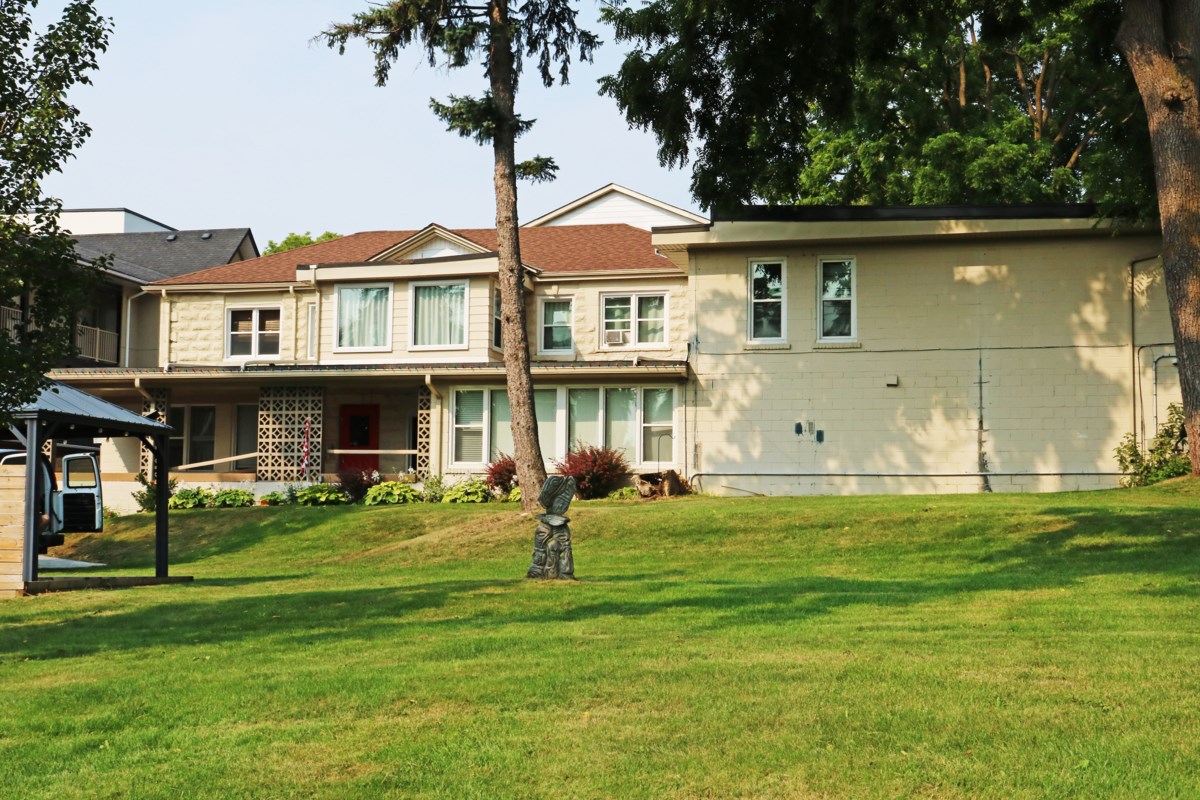
On October 30, the County of Simcoe shared that the temporary asylum reception centre located at 136 Barrie St. in Bradford West Gwillimbury is set to welcome its first family in early November and will provide necessary support.
This announcement follows confirmation from Mina Fayez-Bahgat, the county’s social and community services general manager, who stated earlier this month that the centre was on track for an end-of-month opening.
The news comes just days after Bradford’s Ward 6 Councillor Nickolas Harper was elected as mayor and reiterated his campaign promise to remove the centre from town, emphasizing it as one of his top three priorities.
During his campaign, Harper issued a release on September 7 stating he had filed a complaint with Ontario’s ombudsman regarding the centre, requesting they delay its opening while reviewing how the county made its decision.
Since property acquisitions are usually confidential, county council handled purchasing the property at LOFT’s previous request during closed sessions last year. This included confidential reports on August 12 and September 23, with final approval granted on October 7.
A representative from the Ombudsman’s office clarified that they can’t overturn decisions made by elected officials.
Many residents have expressed frustration over not having a chance to voice their opinions before plans were finalized. The county didn’t notify the public about its plans until presenting them to local council on August 4.
In response to community concerns, officials provided additional information shortly after.
Fayez-Bahgat explained that during a presentation on February 25, 2025, LOFT requested that the county buy the property to help finance their new facility at 31 Frederick St.
He noted that due to federal funding conditions, they couldn’t disclose any information publicly until officially taking occupancy of the property on July 31.
The centre became a focal point for controversy both before and after the August 4 presentation, fueled by online misinformation and accusations directed at racialized leaders.
With space for up to 54 residents at once, this centre aims to assist vulnerable families already accepted by Immigration, Refugees and Citizenship Canada (IRCC), operating for twelve months starting when the first family arrives.
Depending on family sizes, it could accommodate between ten and fifteen families simultaneously with groups of rooms designated accordingly.
While Fayez-Bahgat previously indicated all residents would be families, Friday’s announcement states that “families will continue to be prioritized as much as possible.”
The county hopes each resident will stay around ninety days before service providers help them find jobs and housing options.
COSTI Immigrant Services is tasked with running the centre with round-the-clock staffing support while YMCA of Simcoe/Muskoka will provide case management services along with housing navigation and employment connections alongside community supports.
The county can’t confirm each resident’s country of origin until they’ve officially been referred but Fayez-Bahgat anticipates it will match recent national trends for asylum seekers over past years.
No matter where they’re from, he mentioned many residents are being referred based on job opportunities suited to their skills. Many asylum seekers are currently living in hotels or traditional shelters waiting for placement; therefore they lack access to proper cooking facilities or spaces where they can manage personal tasks or socialize effectively.
This centre is funded through a $4.4 million grant from Canada’s interim assistance housing program (IHAP) covering fiscal years 2025-27.
This grant covers approximately $2.86 million or about ninety-five percent of costs related to buying 136 Barrie St. from LOFT in December 2025; meanwhile, around $150 thousand or five percent is being covered by funds set aside by the county itself.
The remaining $1.54 million from grant funding is intended for covering seventy-five percent of operational expenses while counties will handle twenty-five percent themselves.
The future beyond this twelve-month period remains open; options might involve some form of local transitional housing arrangements.
In terms of long-term strategy-county officials hope incorporating some type of multicultural center into their decade-long settlement strategy put forth by local immigration partnership.
This could lead towards creating versatile spaces newcomers can use for growth purposes which may also include playgrounds among other amenities.
Nevertheless, Fayez-Bahgat stressed future uses should rely heavily upon feedback sourced directly from communities wanting any lasting changes fitting well within neighborhoods-including nearby Bradford House seniors’ housing alongside child-care centers situated closeby.
At present, a liaison group focused upon sharing perspectives’ feedback-and enhancing communication channels-is getting established between counties serving locals directly involved throughout processes occurring here too!
Aditional details along answers frequently asked questions are accessible via County’s official website!
Source link