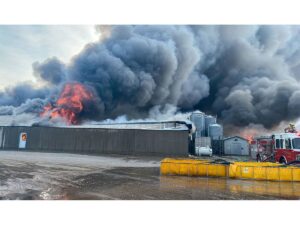




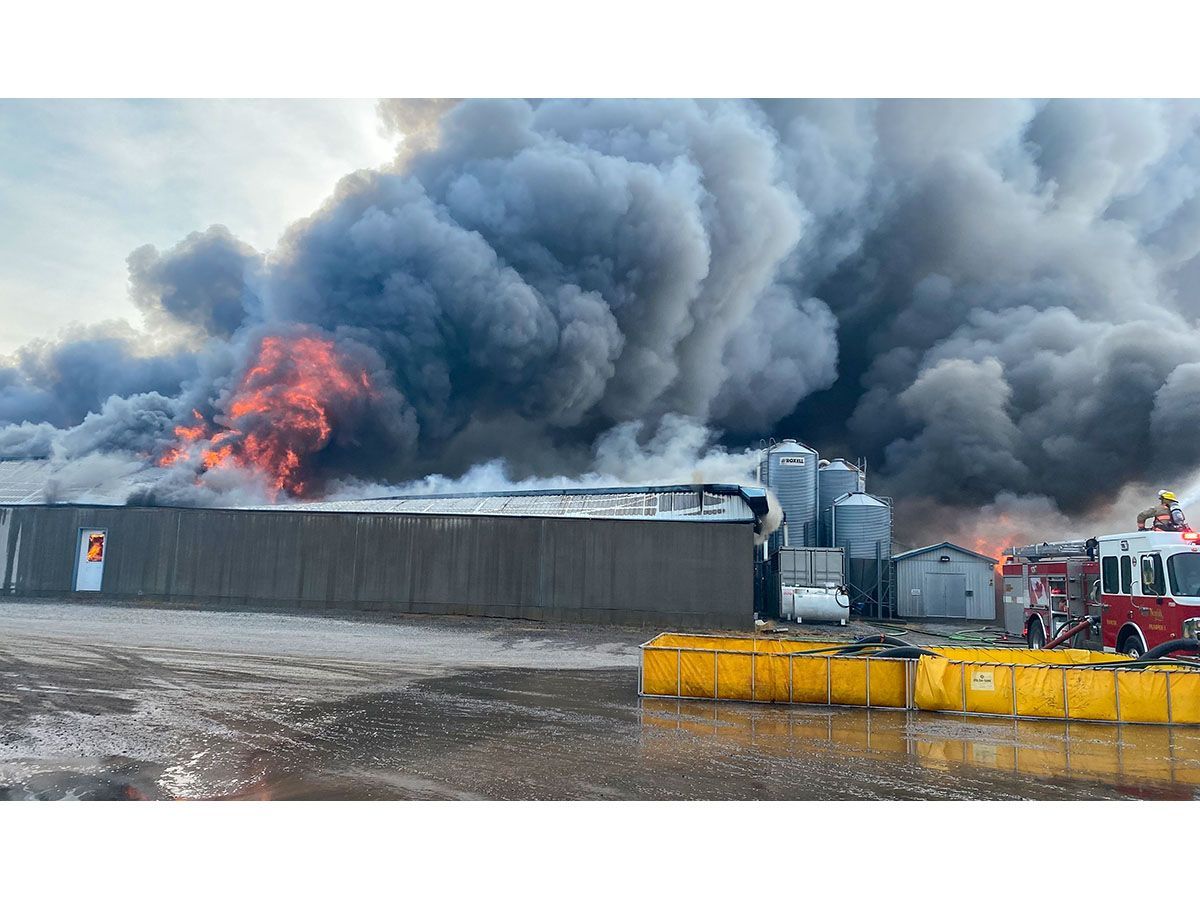
Two weeks after a massive fire at a pig barn in Norfolk County resulted in the deaths of thousands of pigs and extensive damage, the cleanup is still ongoing and several important questions remain unanswered.
Who owns the barn?
The 4.5-acre hog barn located on Highway 3 between Simcoe and Delhi – larger than three football fields and believed to be one of the largest in the province – is owned by Mae-Mart Farms, a seventh-generation livestock and grain operation based in Waterford that runs multiple pig barns in Norfolk. The farm previously claimed to have had the biggest single-storey chicken barn in Canada, capable of housing 55,000 broiler chickens.
In an email response, Mae-Mart Farms president Philip Wiedrick chose not to participate in an interview.
“At this point, we are focused on our family, our employees, and beginning the long process of recovery,” Wiedrick told The Spectator, redirecting all inquiries to Ontario Pork, which represents pork producers across the province.
“The support our family has received from our community and the agricultural sector has meant a great deal during this incredibly difficult time,” Wiedrick added.
How many pigs died?
This remains uncertain; however, since the barn can accommodate over 20,000 pigs, it’s believed that thousands perished. Ontario’s Ministry of Agriculture, Food and Agribusiness (still often referred to as OMAFRA) deferred to Ontario Pork for details. A representative for Ontario Pork did not provide specifics regarding livestock losses.
“Our focus continues to be on supporting the family as they navigate the recovery process,” communications manager Julie Klack said via email while declining an interview request “out of respect for everyone affected and the circumstances surrounding this incident.”
Did any pigs escape?
No pigs managed to escape as strong winds pushed flames through the expansive structure on July 14 morning. Fifty firefighters responded to tackle the blaze while transporting water from hydrants in Simcoe to reach this remote rural area.
Ontario Pork did not comment on whether there were sprinklers or other fire safety measures within the barn’s design but noted that pig barns typically feature multiple gated pens and divided sections that make it challenging to quickly evacuate livestock.
What was the damage?
The farm reported its losses at $30 million according to fire department estimates. The business does have insurance coverage.
What does cleanup involve?
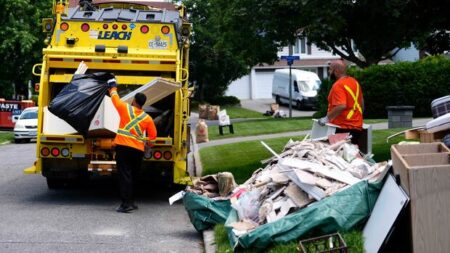
According to provincial law, farms must safely dispose of deceased animals – also called deadstock – within 48 hours using methods like burial, incineration, composting or taking them to a suitable disposal facility. This requirement helps prevent pathogen spread, water supply contamination or methane emissions from decomposing carcasses.
If there are exceptional circumstances such as a sudden large number of deadstock due to a fire incident, farms may apply for exemptions from this timeline. An OMAFRA spokesperson confirmed that Mae-Mart Farms requested and received “emergency authorization” allowing an extension for removing deadstock. Technical specialists from OMAFRA were involved with assisting both Mae-Mart Farms and Ontario Pork regarding “the appropriate disposal of deadstock,” although specifics about their approach remain unclear.
Was there environmental damage?
An environmental compliance officer from the province was dispatched to assess conditions at the site. The inspector found that around 3.5 million liters of water used in fighting fires was contained within manure pits beneath the barn; hence no runoff contaminated municipal water supplies. Norfolk County issued an air quality warning on fire day since smoke reached areas as far as Jarvis-approximately 20 kilometers east.
Was this a factory farm?
Ontario Pork asserts that no pigs are raised in factory farms throughout Ontario while emphasizing most swine operations are family-owned businesses. The national non-profit organization Agriculture in Classroom goes even further by calling factory farming a “myth” stating “farms come in all shapes and sizes.”
No matter how it’s labeled though, that pig barn which burned down was indeed classified as a concentrated animal feeding operation (CAFO), with thousands living under one roof. Approximately 1,200 pig farmers across Ontario adhere strictly adhere national standards informally known as “Canada’s Pig Code,” which specifies how animals should be housed cared for.. all aimed at keeping pigs healthy,” according To Ontario Pork who added these barns “are regularly inspected by trained third-party veterinarians.”
Will pork get more expensive?
Pork producers across Ontario generate about 5.5 million hogs each year intended for human consumption; according To representatives at Ontario Pork indicated this incident wouldn’t impact availability levels concerning local pork products.”
“Ontario’s pork sector remains strong resilient with producers throughout province continuing provide safe high-quality supply locally-raised pork,” said Kuiack who didn’t comment regarding potential pricing effects stemming loss thousands hogs.”
How did the fire start?
This event raises one major question that’ll likely never find answers: How exactly did it happen? Due mainly because construction placed atop massive manure pits alongside destruction caused floor making unsafe inspect wreckage , thus hindering investigators’ efforts ascertain origin. As cleanup took place additional evidence potentially revealing cause vanished altogether leading result being deemed officially “undetermined.” p >
J. P. Antonacci serves Local Journalism Initiative Reporter associated with . Funding provided Government Canada.
Source link