





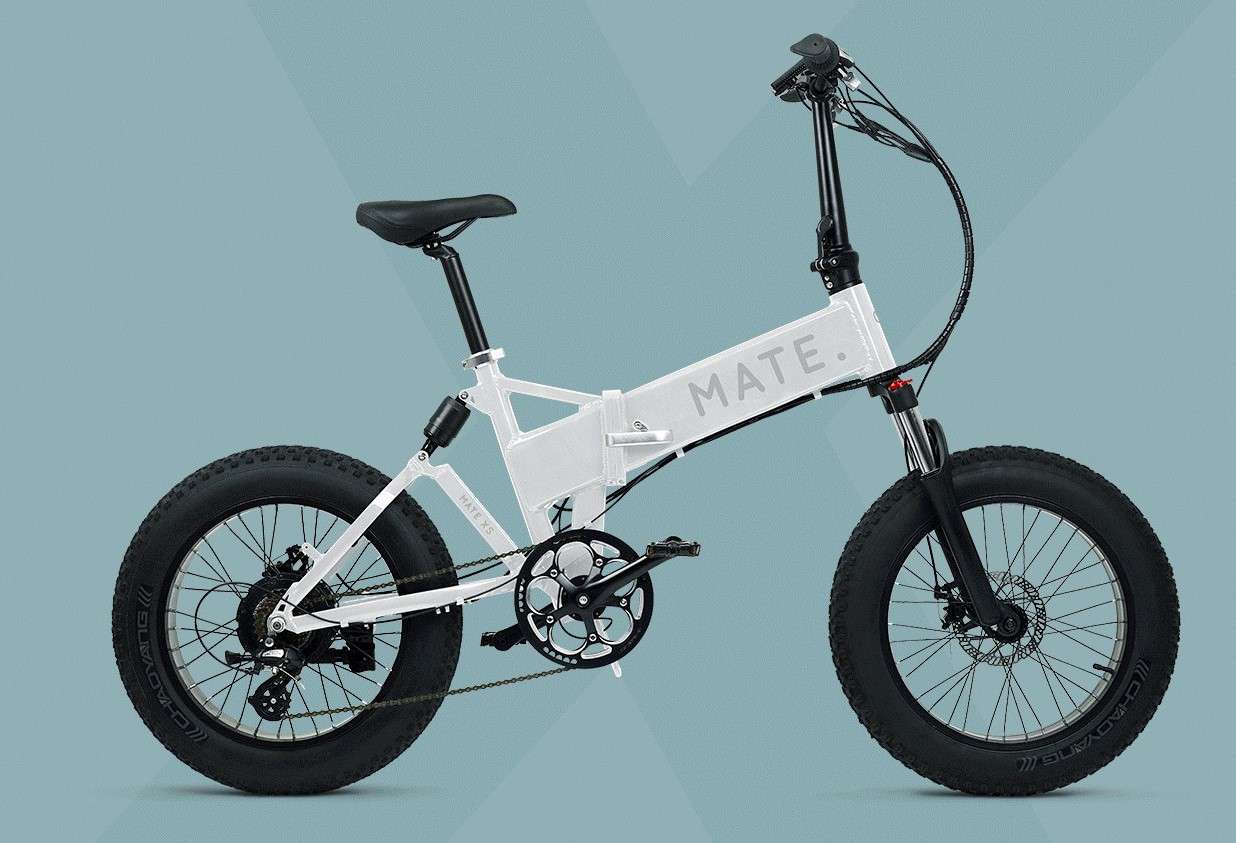
The Ontario Provincial Police are advising e-bike riders to understand the regulations before hitting local roads, trails, and waterfronts this summer.
This reminder is relevant throughout Midwestern Ontario, where e-bikes are increasingly popular in small towns, beach areas, and local trail networks.
According to police, e-bikes, or power-assisted bicycles, must comply with Ontario’s Highway Traffic Act and Ontario Regulation 369/09.
“To be legally operated, an e-bike must meet the following requirements,” the OPP release states.
This includes having working pedals, a motor that is 500 watts or less, a maximum assisted speed of 32 kilometers per hour, two independent braking systems, and a total weight limit of 120 kilograms including the battery.
Riders need to be at least 16 years old, wear an approved bicycle or motorcycle helmet, and adhere to the same rules of the road as cyclists do.
The OPP mentions that riders don’t require a driver’s license, license plate, registration or insurance. However, they note that local regulations can differ.
“Riders should also be aware that municipalities may have additional bylaws or restrictions in place that limit where e-bikes can be used, including on certain pathways, trails or waterfront areas,” the release adds.
This is already true in some local communities. Saugeen Shores allows e-bikes on municipal trails but asks riders to keep their speeds under control with a suggested maximum of 20 kilometers per hour. Kincardine permits e-bikes on public roads but not on sidewalks or trails and within parks. The rules for Sauble Beach in South Bruce Peninsula also ban motorized vehicles like e-bikes from the beach area between Seventh Street North and Groves Point.
The OPP says, “Traffic safety is a shared responsibility.”
If you see unsafe riding practices you can report them to police at 1-888-310-1122 or call 911 in case of an emergency.
Source link