





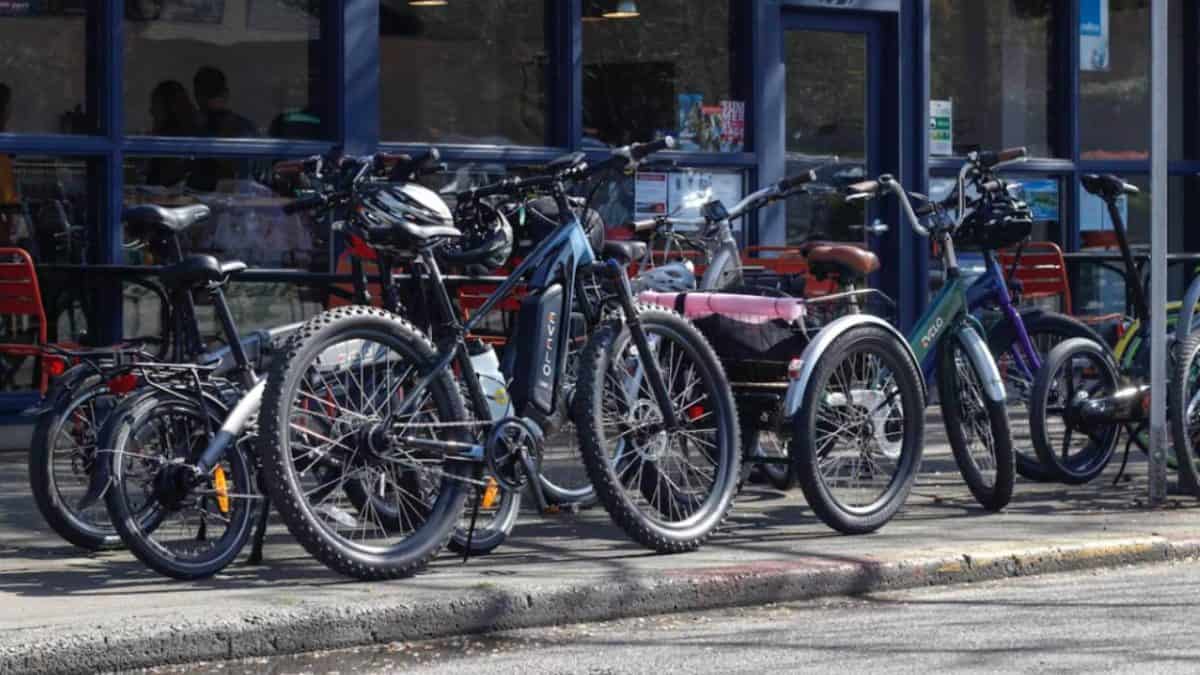
Ontario is on the verge of significant changes to its e-bike regulations, which could introduce mandatory licensing, age limits, and testing requirements to enhance safety on roads and bike paths.
This potential timeline was mentioned during a mayoral candidates’ debate in Mississauga last night (Oct. 15), where e-bike safety has become an increasing worry for residents.
Mayor Carolyn Parrish indicated that the provincial government has been developing a new framework aimed at differentiating standard electric bicycles from larger, faster motorized devices that look like mopeds or motorcycles. She mentioned that these new rules might be revealed as soon as next month; however, the province hasn’t officially confirmed a final rollout date or approved the proposed changes yet.
The Ministry of Transportation (MTO) began consulting on these suggested modifications in April, with public input closing on June 7. This initiative would provide Ontario with more flexibility to categorize various types of e-bikes and implement safety standards based on their speed, weight, and design.
If adopted, conventional e-bikes would still be set apart from heavier and faster vehicles, which could then be classified as motor vehicles requiring licenses and insurance.
Under current laws in Ontario, individuals aged 16 and older can ride legal e-bikes without needing a driver’s license, vehicle registration, license plates, or insurance.
To be considered a legal e-bike today, it must have functioning pedals, an electric motor limited to 500 watts max., reach an assisted speed of up to 32 km/h and weigh no more than 120 kilograms. Riders are required to wear a helmet that’s approved for bicycles or motorcycles.
The proposed framework by the province aims to create clearer classifications for electric bicycles alongside other motorized devices while implementing varying requirements depending on their designs and functionalities.
This shift could result in added responsibilities for those using specific types of e-mopeds and motorcycle-style electric vehicles-such as needing to obtain licenses and insurance. The proposal also tackles minimum age guidelines along with safety criteria.
Last 30 Days: 57,432 Votes
All Time: 1,579,028 Votes
688 VOTES
Would you take a self-driving taxi?
The final regulations-including which vehicles fit into each category and when these changes will kick in-haven’t been confirmed yet.
The ongoing conversation about regulating e-bikes comes amid rising concerns about how electric bicycles and other micromobility options are utilized on roads, sidewalks, and bike paths.
While traditional e-bikes provide a great alternative to cars for short trips, heavier models have led many to question if current laws adequately differentiate them from regular bicycles.
Concerns from pedestrians-including seniors and people with disabilities-about riding on sidewalks have also grown due to the dangers posed by fast-moving motorized devices sharing space with walkers.
Another issue is enforcement; municipalities have called upon the province for clearer rules that can be consistently applied across Ontario.
Mississauga has already implemented measures addressing some of these issues. The city has increased fines for sidewalk riding and prohibited e-bikes along with e-scooters from Mi Way buses over lithium-ion battery safety worries.
Toronto continues its ban on e-scooters operating on public streets as part of broader concerns regarding motorized device use in busy urban areas.
A comprehensive provincial framework could give municipalities-and law enforcement-clearer definitions along with tools needed for effective enforcement rather than relying mainly on local ordinances alone.
The MTO’s proposed adjustments follow updates included in the Safer Roads and Communities Act of 2024 that expanded the province’s capacity to redefine what constitutes an e-bike while creating separate classes with varied operating conditions.
The consultation process aimed at modernizing rules that haven’t kept pace with developments in the electric mobility market recently.
An INsauga. com poll conducted this autumn showed that 83 percent of participants backed mandatory licensing for both e-bike riders as well as those using scooters.
This level of support indicates growing public demand for improved accountability among riders alongside clearer guidelines governing vehicles allowed on shared pathways or public roads.
The province previously noted there might be an educational transition period accompanying any new framework implementation. However, details about duration or timing concerning enforcement shifts remain unconfirmed at this point.
Source link
INsauga has contacted the Ministry of Transportation seeking clarification regarding expected timelines along with updates about proposed regulations.
Until any new mandates are formally put into place, *riders across Ontario must continue adhering strictly* *to existing regulations.* INSAUGA Canada’s Editorial Standards and Policies
Stay in the know.
p>Subscribe now to receive our daily email of today’s top stories in your city!