



As wildfires keep raging across northwestern Ontario, forcing thousands of residents to evacuate throughout the summer, the Humane Society London & Middlesex has stepped up to help furry evacuees.
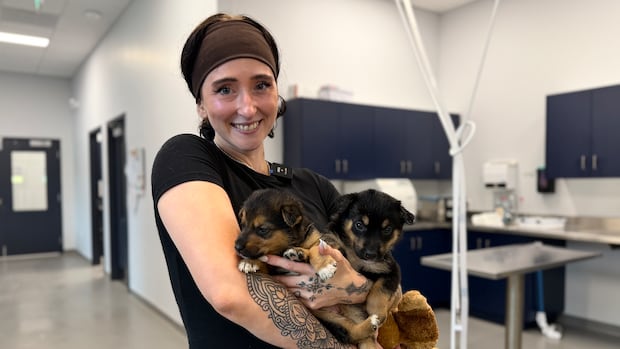
On Saturday, five puppies, two adult dogs, and five cats were welcomed at the shelter located at 1414 Dundas St.
“It’s really incredible to be part of something so meaningful and so valuable so we’re really happy to be able to accept the animals here and bring them into our care,” said Melanie Paterack, who is the Humane Society’s manager of community and animal supports.
“I think our community is going to be really happy to help out how they can by adopting them or volunteering to foster them,” she said.
WATCH | Meet the new intakes at the Humane Society London & Middlesex: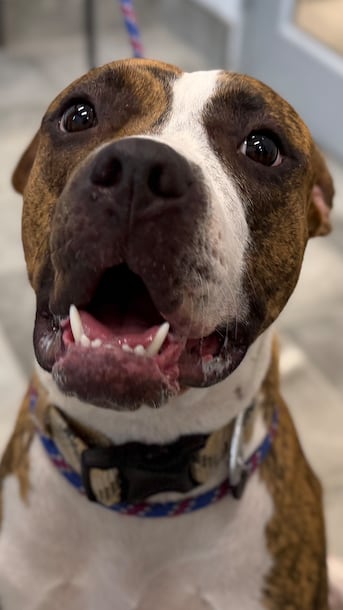
Pets evacuated from Ontario wildfires are getting adoption-ready
The Humane Society London & Middlesex took in a total of 12 cats and dogs on Saturday. These animals are evacuees from ongoing wildfires in northwestern Ontario. CBC’s Kendra Seguin met some of these potential pets.
All of the animals arrived from communities north of Thunder Bay, Paterack noted, mentioning that they include both surrenders and free-roaming pets from those areas. Some were brought in as a precaution from places not yet affected by the fires.
The Humane Society worked alongside the Northern Reach Network, a non-profit pet rescue facilitator, to transport these animals down south.
Paterack shared that it took around three weeks of planning and one intense day of driving to get all the animals safely to London.
“There’s a huge behind-the-scenes team that takes care of the transfer piece,” she explained. “They take care of all the animals and their needs, whether it’s feeding them, watering them or taking them for walks.”
Storm shows affection to Ryan Tolmie at Humane Society London & Middlesex. The bully breed arrived at the shelter on Saturday and is expected to be available for adoption soon. (Kendra Seguin/)
This marks the first major transfer for the Humane Society from northwestern Ontario; however, Paterack mentioned there are plans for more rescues in future.
“This is a program that happens through the year, not just during wildfire season. In those more remote communities up north, they have limited access to vet care so overpopulation can become a problem there as well.. so they’re still sending animals down south for adoption.”
Two-week intake process
Marissa Sitts, director of animal health and services at the Humane Society, has been overseeing these animals’ intake process which involves vaccinations, medical evaluations, and spaying or neutering procedures.
“We’re not 100 per cent sure what their previous lifestyle has been like for these guys so we’re just being extremely careful making sure that we’re assessing all risks that could come from either inside or outside,” she stated.
Sitts also highlighted how crucial it is to monitor their health due to exposure from wildfire smoke.
Bonnie and Clyde are two cats currently going through intake at Humane Society London & Middlesex. They’re among several pets recently transferred from northern Ontario. (Kendra Seguin/)
“I think some dogs and cats coming from these areas may show signs like singeing if they were close enough to fires,” she added but noted it’s rare among this group entering London’s facility.
“We’re [also] obviously looking at what their lifestyle was like before so much focus goes into socialization and adjusting them from where they lived previously.”Paterack said intake might take up two weeks depending on an animal’s age and specific needs.
Once that’s done with all processes completed , Paterack explained that five puppies will go into foster care for socialization before being put up for adoption while seven other animals will immediately appear as available on their website.
For families who can’t adopt right now but want help support these newcomers , Paterack suggested options like volunteering at their shelter or donating supplies directly.
Source link