





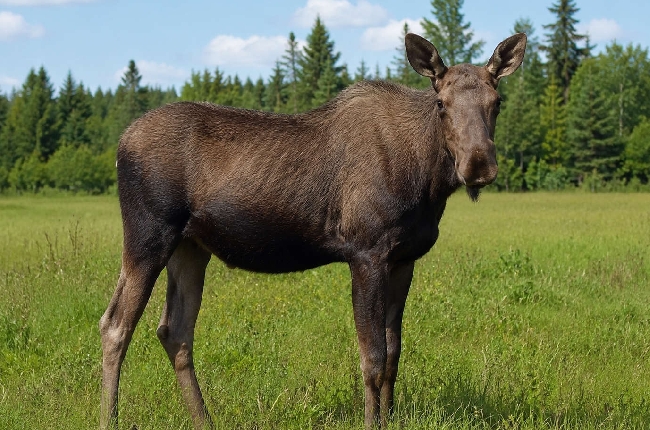
CWD impacts deer, elk, moose and caribou. While there are no confirmed cases in Ontario, it has been found in nearby provinces and U. S. states.
Ontario is reaching out to hunters in Eastern Ontario for help in tracking chronic wasting disease (CWD) as the 2026 hunting season begins.
The province is focusing on surveillance efforts in the Kingston, Perth, and Brockville regions, which include Wildlife Management Units 63B, 64A, 66A, 67 and 69B.
Hunters who take a white-tailed deer aged one year or older within these areas are encouraged to submit samples for testing.
Samples can be dropped off at ministry freezer depots or collected by wildlife technicians during field sampling. Participating taxidermists and butchers will also accept samples. The first 500 hunters in each surveillance area to provide a sample will receive a collectible crest and sample ID card.
CWD affects deer, elk, moose and caribou. Although it hasn’t been found in Ontario wildlife yet, it exists in all surrounding Canadian provinces and U. S. states.
The province assures that CWD does not pose a risk to human health. Hunters can find more information and report suspected cases through Ontario’s CWD surveillance program.
Story by Kingston Daily Staff
Source link