



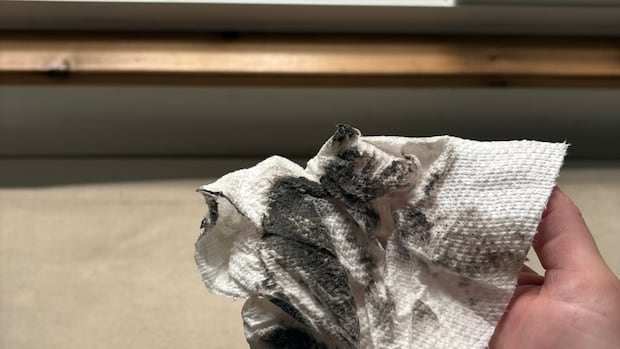
A group of researchers in Hamilton has uncovered important information about the soot that has been landing on neighborhoods near the city’s industrial area.
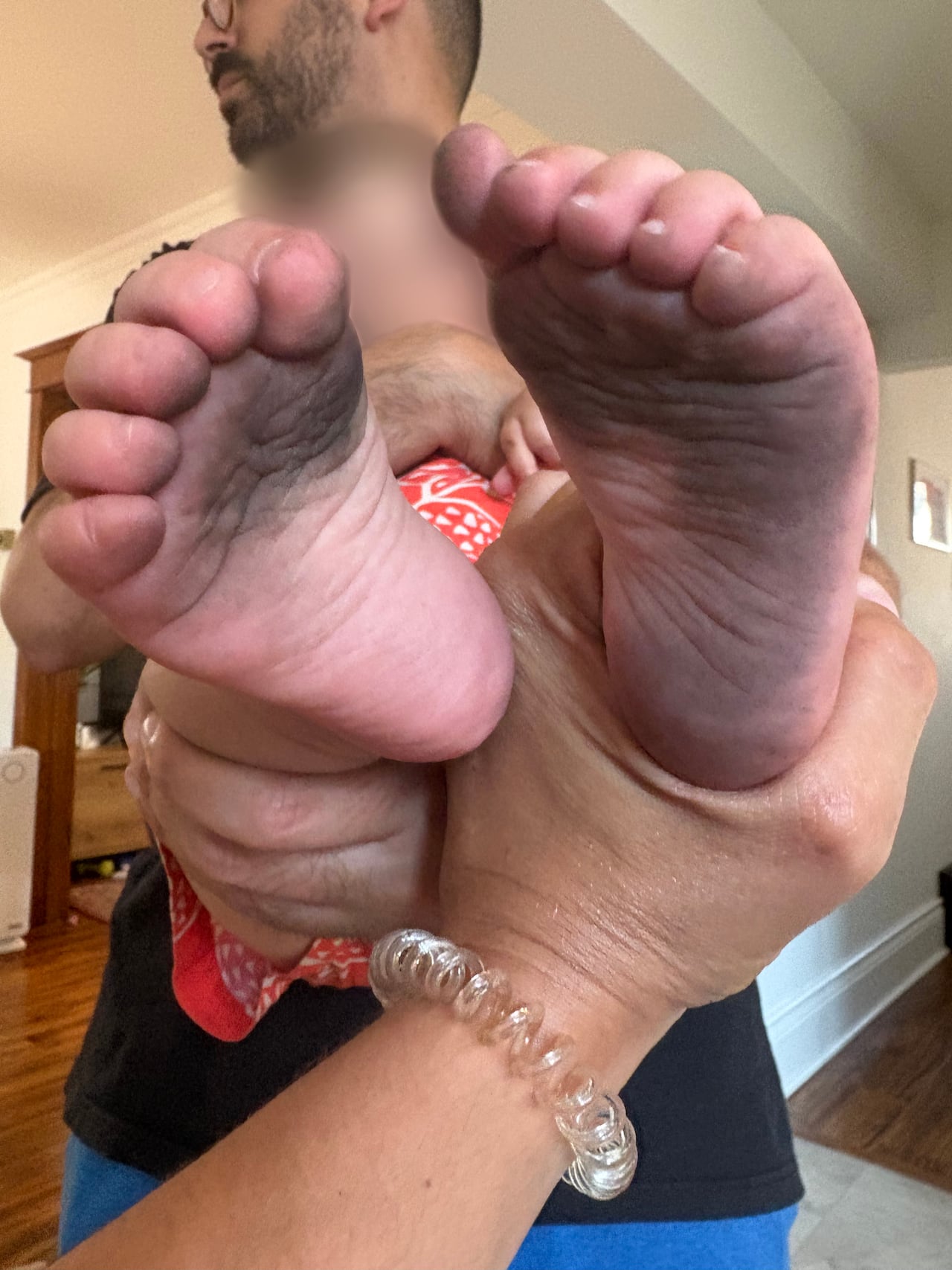
For many years, locals have raised concerns about a dark, dirty substance covering their homes. This ongoing problem was highlighted again in early July when residents reported what some described as the worst fallout they had ever seen.
Sarah Styler, an associate professor of environmental chemistry at Mc Master University, and Grace Yao, a Ph D student in Styler’s lab, are involved in the study called “What’s the Grime?” which aims to find answers to that question.
By collaborating with volunteers to collect samples throughout the city from 2024 to 2025, the researchers discovered that the soot includes toxic chemicals linked to coal burning. They also found that levels of dust and polycyclic aromatic hydrocarbons (PAHs) were higher closer to Hamilton’s industrial sector in the northeast.
WATCH | Hamiltonians wonder what’s in the soot: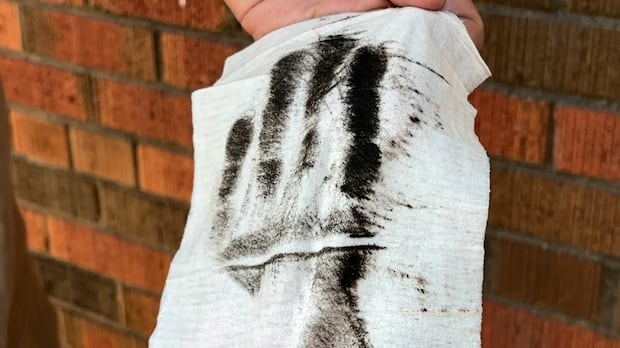
People in several Hamilton neighbourhoods still don’t know why black soot has been falling on their homes
Residents living around Hamilton’s east end mentioned their homes were covered in black soot recently. While soot isn’t a new issue for those nearby, Ward 4 councillor Tammy Hwang noted this time it seems more widespread, affecting people farther away.
Styler worked alongside Environment Hamilton for this study, funded by a $15,000 grant awarded by her university in 2024.
Living in east Hamilton herself, Styler said she has experienced this issue directly; Yao mentioned she shares similar experiences living in Corktown.
“It’s been a known issue for a really long time,” Styler said.
She pointed out that during their research, Yao found mentions of the soot dating back at least to the 1950s through news archives.
The study included using sampling kits to gather soot from 50 volunteer households across the city. Scientists collected samples from each kit every four months for analysis.
“Closer to the industrial sector, more dust is falling,” Styler said. “And closer to the industrial area, there are more of this toxic class of compounds.”
An update posted by the team on Environment Hamilton’s website Monday also indicated that PAH levels were greater during winter than summer months.
The team studied 13 different PAHs according to Styler but emphasized that those aren’t necessarily all toxic substances present within the grime, which she described as a “gloopy mess.”
Due to limitations with resources, Yao mentioned they couldn’t analyze everything within the grime; therefore it’s possible other sources could be adding to this fallout. Still, “coal combustion is particularly significant in creating the PAHs that we’re talking about.”
Findings likely seem obvious: Styler
<p According to Styler, these findings probably won't surprise anyone living where fallout primarily occurs. It seems clear that emissions from nearby coke plants are affecting people who live close by.
However,, locals have expressed frustration over what they see as inadequate communication from official sources regarding this matter,, she added......... On July 28,, Alexandru Cioban,, a spokesperson forThe Ministry of The Environment,, Conservation And Parks,, told CBC Hamilton That The Ministry Was Continuing ”The Necessary Testing As We Assess Operations At Industrial Facilities In Hamiltonthe ”North End To Determine A Likely Source.”.C*A*C*X*C*F*E*T*X*C**A**L*A*K*A*N*U*A*N*A*K*_AK_**_N*S_A_O_O_O_L_N_N*_I_T*T_A_E_D_C*_A_X_V_H_T*O_A_Y_R_L_I_S*_V_B_G_W_M_R_N_I_WS_G,_C_H_A_F_I_T_C_C_!_*!!*$&!@$*&$%##)!!!I**L*M*K**** F*l I’ll Publicly Share The Results Of Its Testing And Noted That In **2024*** ***The Ministry Testing Indicated Particulate At That Time Was Predominantly Road Dust***.T s g T L L D N N S I^T C _T E A_A E_o G_G___AL *Q *F_H_E *!*.*<t A**!!!#__!#_.!!!!.. ,,,,,,,,…,…*,+__++/))(/====//////////$$$$$$$$$$$$$$$QQQQQQQQQ&&&&^^###///[][][]–?