




Trump Administration Finalizes Toll Revenue Agreement with Canada
Late Friday, the Canadian government announced that an agreement has been made between the two nations regarding toll governance, transparency, and regional investments. This brings an end to months of uncertainty surrounding the opening of the Gordie Howe International Bridge, as reported by Reuters.
According to a source familiar with the deal, the U. S. will receive 50% of the toll revenue generated from the bridge and will have veto power over any toll increase that exceeds 10% above current rates.
Additionally, Canada has committed to setting up a 15-year economic development fund that will be financed through part of the bridge’s profits.
“We’re going to get the bridge open and we’re going to get a much better deal,” said Michigan Republican Senate candidate Mike Rogers after his discussion with Commerce Secretary Howard Lutnick.
Rogers mentioned that the U. S. had transitioned from receiving “no revenue” to now obtaining significant revenue.
Delay in Bridge Opening Due to Trump’s Concerns
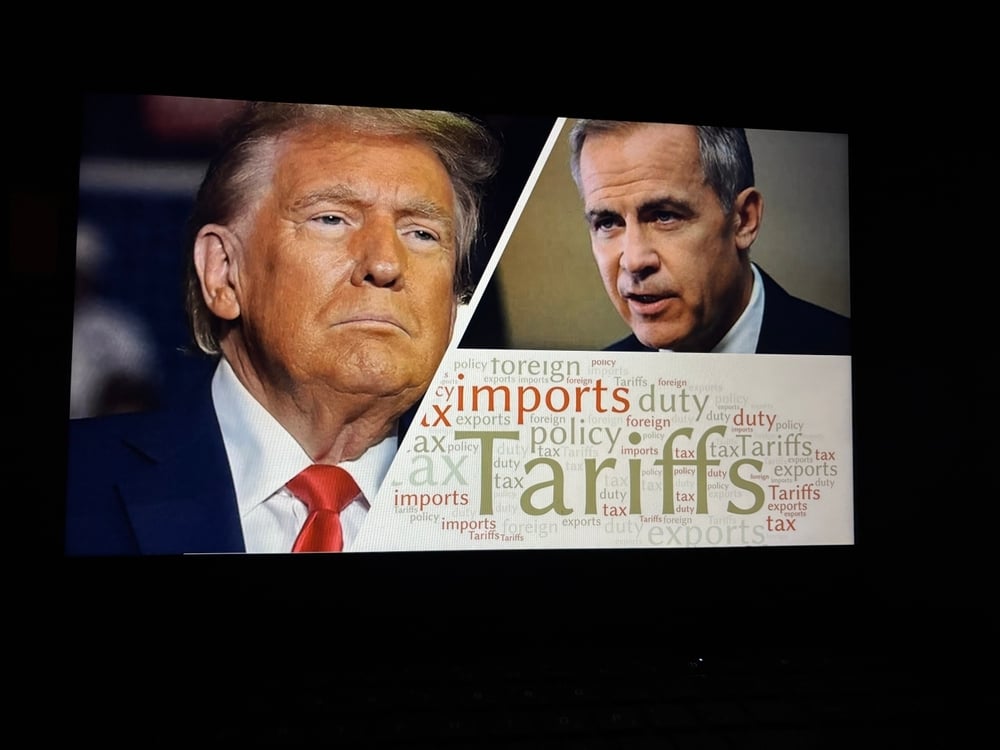
The bridge was initially set to open in June; however, Trump indicated he would block it back in February due to worries about financial arrangements as well as broader trade disputes with Canada. These included issues related to dairy tariffs, alcohol regulations, and Canada’s trade connections with China.
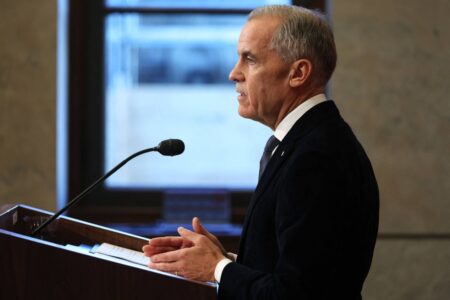
Last month, Canadian Prime Minister Mark Carney stated that they postponed the opening at the request of Trump’s administration.
Importance of the Gordie Howe Bridge
Construction on this bridge began in 2018 and was fully funded by Canada after U. S. declined participation. The project is expected to be recouped through toll revenues over a period of 30 years; however, how this new revenue-sharing agreement influences that timeline remains uncertain.
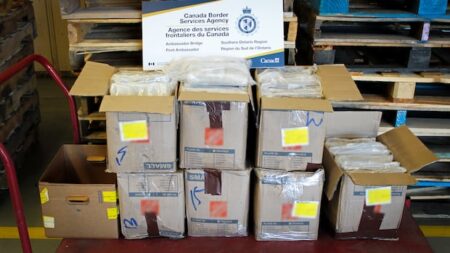
The Gordie Howe International Bridge aims to alleviate traffic congestion at the Ambassador Bridge-the busiest commercial truck crossing between U. S. and Canada-which managed $126 billion in freight trade during 2023.
A study from the University of Windsor predicts that this new crossing could cut travel times by around 20 minutes and save truck drivers approximately $2.3 billion over three decades.
Disclaimer: This content was partially produced with assistance from AI tools but was reviewed and by Benzinga editors.
Image via Shutterstock
Source link