




Estimated 6 minutes
Advocates for refugee rights are expressing their disbelief that the federal immigration minister seems unaware of a crucial Supreme Court ruling that many see as foundational to Canada’s refugee protection framework.
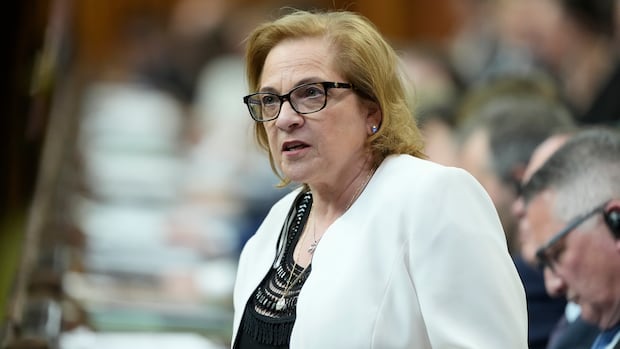
In a discussion with Radio-Canada, Immigration Minister Lena Metlege Diab was asked multiple times about the Singh v. Minister of Employment and Immigration case from 1985.
This Singh ruling established that asylum seekers have the Charter right to fundamental justice and resulted in the formation of the Immigration and Refugee Board of Canada.
It’s also a significant point in the ongoing legal challenge against the Carney government’s immigration changes that limit eligibility for hearings at the Immigration and Refugee Board.
“Honestly, I was extremely shocked,” said Gauri Sreenivasan, co-executive director of the Canadian Council for Refugees. “It’s very concerning that the minister in charge of Immigration, Refugees and Citizenship Canada would not be fully aware of the Supreme Court’s Singh decision.”
Diab spoke with Radio-Canada in July during an episode of Les murs: le périple des migrants vers le Canada, a new documentary podcast examining Canada’s asylum process.
She faced questions on various topics, including the Safe Third Country Agreement and Bill C-12, which includes reforms passed by Carney’s government last March.
One major change in C-12 was that asylum claims made more than a year after someone first enters Canada will not be sent to the Immigration and Refugee Board but will instead undergo a pre-removal risk assessment.
This assessment is done by an officer from Immigration Canada to check if there’s any risk of torture or death if an individual is returned to their country – usually involving written submissions rather than oral hearings.
WATCH | More about opposition to Bill C-12:
Migrant rights rally calls on government to change immigration policy
Dozens gathered outside the Human Rights Monument in Ottawa on Sunday urging the federal government to rethink its immigration policy. Some attendees argue that Bill C-12 has made it tougher for migrants living in Canada. Cameron Mahler has more.
Diab stated in French that Bill C-12 “respects our Canadian Charter,” noting her background as a lawyer and explaining that these changes aim to tackle delays in asylum cases.
When challenged about how under Singh decision asylum seekers have a constitutional right to an oral hearing, she mentioned that since it’s a new law, they would keep monitoring how it plays out.
Radio-Canada then directly asked her if she knew about the Singh decision. After pausing, Diab requested them to repeat its name.
Once told again it was regarding the Singh decision from 1985 by Canada’s Supreme Court, she responded saying she’d need to check with her team.
“There are many Singhs and many decisions,” said Diab.
WATCH | Diab asked about Singh decision: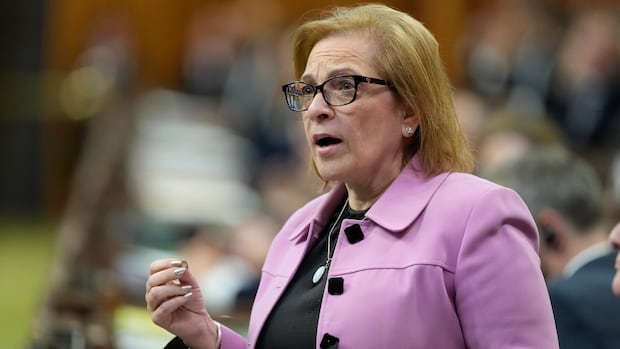
Immigration minister asked about court ruling that guarantees Charter rights for refugees
In an interview with Radio-Canada’s Les murs: le périple des migrants vers le Canada, Immigration Minister Lena Diab appeared unfamiliar with a Supreme Court decision that is widely considered the cornerstone of Canada’s refugee protection system.
Radio-Canada then clarified it was about the ruling leading to establishing thImmigration and Refugee Board; she replied: “Ah, OK.”
Through this ruling, several experts told Radio-Canada that Supreme Court recognized among other things asylum seekers’ right to an oral hearing.
[The claimant] is entitled to a full hearing on their file so that they can explain their situation before a competent decision-maker,” said François Crépeau, Professor Emeritus at Mc Gill University & former UN special rapporteur on human rights relating to migrants.”
This led directly into creating the Immigration & Refugee Board back in 1989 because it needed fulfillings demands set out by Singh’s verdict.”
The legislation known as C-12 is currently facing legal challenges. Attorneys claim it breaches both domestic laws & international commitments.”
The Government insists they comply with requirements outlined within the original verdict issued during “Singh.”
The SCOTUS ruling declared “in order satisfy fundamental justice standards-an oral proceeding must occur when credibility issues arise surrounding one’s case-the court did not mandate complete oral hearings across all instances,” commented one department attorney addressing parliament regarding Bill C-12 earlier this February!
Createful opposes-stating “eliminating comprehensive hearing provisions… constitutes disregard towards conditions prescribed under ‘Singh’!”
Immediately after concluding their talk show interview-Diab’s office quickly asserted her knowledge regarding ‘the previous rulings’ but mentioned possible language barriers hindered some understanding levels during questioning periods throughout chats conducted via French (not being her first tongue).
DURING presentations made before separate Senate committees delving into discussions pertaining specifically towards Bill c – 12 even though conducted entirely through English mediums…she chose only referred back towards departmental officials/lawyers instead attempting answer queries pertinent solely around ‘Singh.’ ”
‘Issue Of Competence’: Advocate
Said Louis – Philippe Jannard representing TCRI-a Quebec umbrella association incorporating over 160 organizations aiding refugees & immigrants stating…”I certainly believe there exists considerable competency concerns surrounding these matters!” He continued..”Discussion revolving around ’sing’ had come up numerous times throughout legislative processes associated surrounding bills during encounters held both within Commons House/Senate! So honestly-it genuinely comes off surprising having not been noted onto ministers radar…”
As such Radio -Canad enquired from PMO whether given current feedback circulating around-they still hold confidence within Mark Carneys’ administration behind Ms. Diab? PMO spokesperson Renée Le Blanc Proctor responded via email indicating: “Diabs essential role remains paramount while implementing governments mission directed towards lowering immigration rates downwards attaining most viable levels whilst attracting top-notch talents globally…”
Accordingly adding , ” She continues undertaking such tasks!” Proctor further noted..P
Ms. Diab previously faced criticism from those representing immigrant advocacy groups claiming hesitation regarding reaching ministers would’ve rendered limited engagement levels involved alongside seeming uncertain grasp upon cabinet portfolio duties etc.; meanwhile opposition Conservative factions have persistently called upon her dismissal over recent months!
Source link