




By Gazette Staff
February 12th, 2026
BURLINGTON, ON

Chloe Richter, City Heritage Planner
Urban growth and intensification are happening rapidly across Canada, especially in Ontario. This urbanization and uncontrolled development create challenges that often threaten the heritage character of cities, towns, and villages. It can also overlook the fragile balance between growth and preservation. Architectural landmarks, historic streetscapes, and beautiful landscapes are at risk as expansion continues to encroach on both built and natural heritage.
The goal of preserving these areas isn’t to stop progress or development; it’s about creating a plan that allows for growth while respecting existing heritage resources and historical context. Officially recognizing and protecting these heritage assets is a vital way to maintain the unique aspects of our shared history while ensuring our communities continue to thrive in the future.
The report aimed to:
Instruct the Director of Community Planning to hire a consultant who will evaluate the eligibility of certain properties for possible heritage designation under Part IV of the Ontario Heritage Act. They will consult with the Heritage Burlington Advisory Committee and report back to Council with explanations regarding the cultural heritage value or interest of qualifying properties before January 1, 2027:
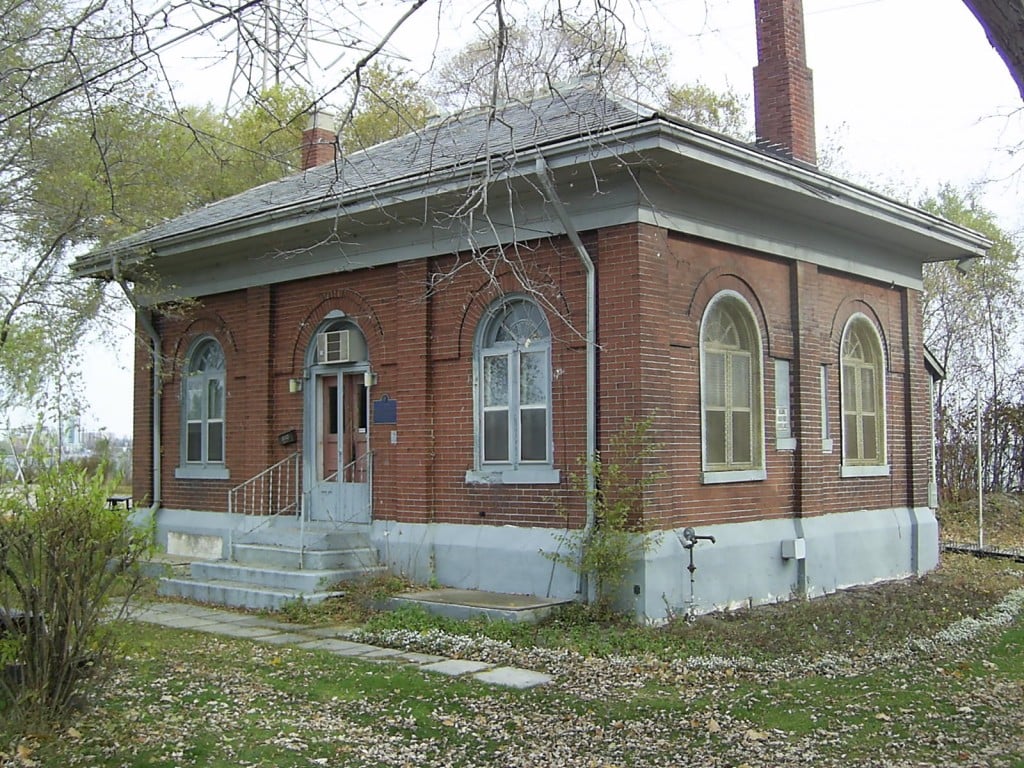
One of the genuine heritage structures in the city.
2137 Lakeshore Rd. (The Sewage Pumping Station aka 2137 Junction St.)
1419 Ontario St. (The O’Brien-Connell House)
2464 Dundas St. (St. John’s Anglican Church)
1264 Lemonville Rd. (A. Lemon Family Farmhouse)
5534 Guelph Ln. (The Thomas Colling Centennial Farmhouse)
1392 Ontario St. (The New George Allen House)
1454 Birch Ave. (The Edwin Thorpe Retirement House)
566 Locust St. (The Harry Blessinger Retirement House)
2187 Lakeshore Rd. (The Dalton-Bell House)
524 Hager Ave. (The Bamford House).
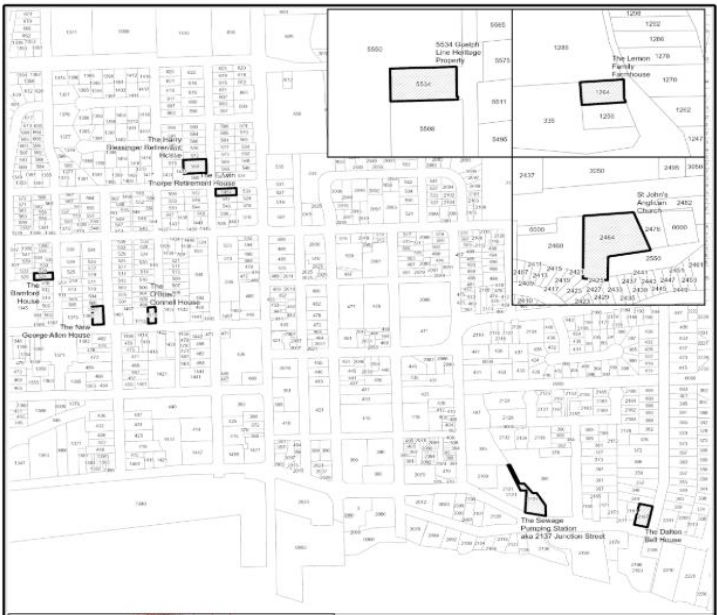
Location of the properties to be assessed as to their eligibility for potential heritage designation.
Source link