




Ontario Construction News staff writer
The City of Hamilton has rolled out a carbon budget and accounting framework aimed at assisting local leaders in evaluating the climate effects of key decisions while fostering long-term planning as the city strives for net-zero greenhouse gas emissions by 2050.
This framework, which is part of Hamilton’s ongoing climate strategy, will incorporate a climate perspective into municipal decision-making regarding infrastructure projects, roadwork, equipment purchases, new constructions, and other capital investments.
Mayor Andrea Horwath mentioned that this initiative will enable the city to tackle increasing climate challenges while still providing essential services.
“The impacts of climate change are already being felt in Hamilton, from more frequent extreme weather events to increased pressure on the infrastructure and services residents rely on every day,” Horwath said in a statement.
“This framework will help ensure we are making informed decisions that support a healthier, more resilient and sustainable city for current and future generations.”
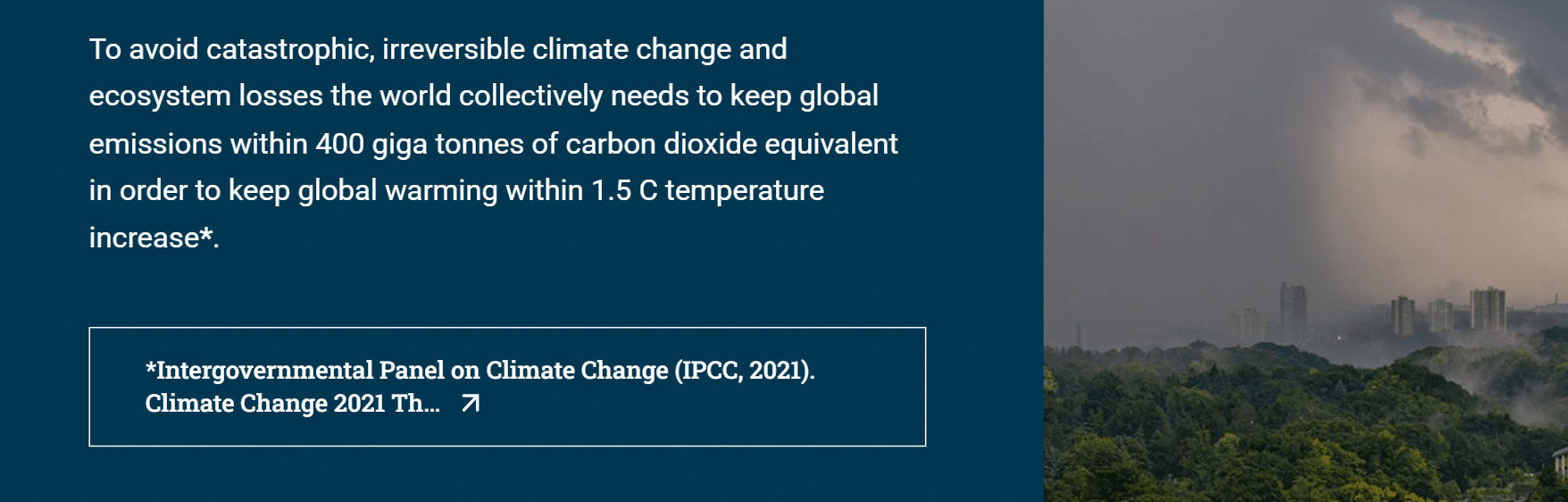
The carbon budget follows a global fair-share model aligned with the Paris Agreement and aims to keep global warming below 1.5 degrees Celsius compared to pre-industrial levels.
According to the framework, Hamilton’s total allowable emissions are projected at 422,000 tonnes of carbon dioxide equivalent for municipal operations and 53 million tonnes across the wider community.
City officials stated that this framework builds upon Hamilton’s existing Climate Action Strategy and will begin with a pilot phase during the 2027 budget process. The initial implementation will focus on specific city divisions and capital projects worth over $250,000, with updates planned through 2030.
“A carbon budget gives the City another important tool to understand the climate impact of our decisions in the same way we consider financial impacts,” said City Manager Marnie Cluckie. “By building this into our planning and budgeting processes, we can make more responsible, forward-looking choices that manage risk, identify opportunities and support a more sustainable and resilient Hamilton.”
The framework also introduces a voluntary self-reporting process for community carbon budgets aimed at assisting residents, businesses, and organizations in tracking and reducing their emissions.
While municipal operations contribute less than 1% of Hamilton’s overall community emissions on average, city officials believe local government can lead by example through its own practices while expanding lower-carbon options available for residents and businesses.
<p. Starting in 2027, Hamilton's annual budget documents will include estimates of greenhouse gas emissions related to identified city projects. The Office of Climate Change Initiatives will also provide yearly reports on both corporate and community emissions inventories along with performance indicators established under this framework.
City officials assert that this new approach will ensure climate considerations become an integral part of municipal planning and investment decisions as Hamilton works toward its long-term goals for emission reduction.
Source link