





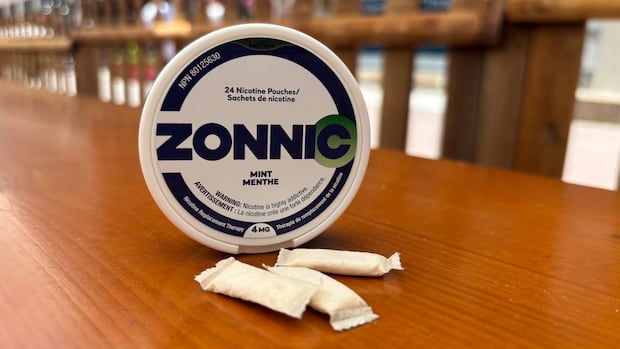
Recent studies indicate that the use of nicotine pouches among young Canadians has surged dramatically, with over one-third reporting they’ve given them a try.
The information, collected by the Ontario Tobacco Research Unit, revealed that in 2022, 7.6 percent of participants had used a nicotine pouch. By 2026, this figure had skyrocketed to 34.8 percent.
The research has been tracking 3,400 Canadians aged 17 to 27 since 2020.
This sharp increase took researchers by surprise, as they had mostly observed limited experimental use of these pouches before, according to Michael Chaiton, director of the research unit and senior scientist at the Centre for Addiction and Mental Health.
“This is a rapid change in growth,” Chaiton said. “That is something you don’t see very often, and something that needs attention.”
The study also noted a significant rise in regular pouch usage among young people. In 2022, only one percent reported using them in the past month; this year, that figure jumped to 8.5 percent.
These tobacco-free packets are placed between the lip and gum and have been promoted as aids for quitting smoking. However, health organizations warn that similar to vaping, these pouches are gaining traction among young individuals who haven’t smoked cigarettes before.
This aligns with Chaiton’s findings: only one-third of those who tried pouches were smokers themselves.
Globally, nicotine pouch usage is on the rise, leading the World Health Organization (WHO) to issue warnings last month about aggressive marketing targeting youth.
The WHO advises governments to restrict access – which Canada has implemented since 2024.
According to the WHO, nicotine is highly addictive and poses health risks particularly for younger users. Early exposure can hinder brain development and raise the likelihood of long-term addiction to nicotine and other products like cigarettes.
Conservatives Push for Looser Regulations
This new data from Canada coincides with international health alerts as conservative politicians and tobacco companies urge the federal government to ease restrictions on nicotine pouches.
Zonnic is currently the only brand authorized for sale in Canada and is produced by cigarette manufacturer Imperial Tobacco.
In August 2024, Health Minister Mark Holland enacted a ministerial order restricting pouch sales to pharmacies while introducing new labeling regulations along with advertising and flavor limitations.
Holland accused Imperial of misleading Health Canada by obtaining approval last year under natural health product guidelines which allowed it to bypass certain regulations regarding nicotine products – meaning these pouches could be sold to minors at gas stations and convenience stores.
A convenience store owner shows his display of Zonnic nicotine pouches before the federal government banned their sale in convenience stores and gas stations. (Mathieu Theriault/CBC)
The federal Conservatives have since initiated a petition called “Free the Zyn,” claiming that current restrictions are unfairly limiting choices for adults while pushing them toward more harmful options or illegal markets. (Pouches are sometimes referred to as Zyn after a popular brand available in the U. S.)
“Canadians just want to go to the corner store or gas station where cigarettes are sold and pick an alternative product,” Jamil Jivani, Conservative MP for Bowmanville-Oshawa North stated during House discussions in November 2025.
“When will the Liberals free the Zyn?”
In March, Alberta Premier Danielle Smith also urged Ottawa to reverse its order arguing it makes it tougher for individuals trying to quit smoking while simultaneously promoting illegal online sales. (Chaiton’s research highlighted Alberta having the highest use of nicotine pouches with 44 percent stating they’d tried them.)
Imperial Tobacco echoed similar sentiments on this matter too.
“We know that most adult smokers want to stop smoking; hence having access where they buy their cigarettes is important,” remarked Eric Gagnon from Imperial’s corporate affairs division.
Gagnon contended that current restrictions actually facilitate greater access among youth.
“By increasing consumers buying illegal products you’re enabling traffickers’ operations,” he argued.
The country’s health minister has not commented on whether she plans any changes regarding her predecessor’s restrictions. Marjorie Michel was unavailable for an interview.
“While nicotine pouches may aid some individuals transitioning away from smoking we believe it’s critical they’re regulated properly so they’re used safely as intended,” her spokesperson Alexandre Bergeron expressed in an official statement.
“These measures ensure they’re focused on supporting cessation efforts while reducing risks associated with youth uptake or recreational use.”
A Larger Male Demographic Uses Pouches
Health advocates warn this spike in popularity signals Canada must maintain its restrictions so young people aren’t exposed even more widely.
“It’s vital these limits stay intact,” Rob Cunningham from Canadian Cancer Society emphasized after successfully campaigning for these measures.
“There’s no sign indicating either health ministers or government officials plan any relaxation towards existing rules but we certainly see heavy lobbying efforts from tobacco interests.” Cunningham added
Pouch growth alongside vaping indicates overall nicotine usage isn’t declining across Canada anymore.
“It can’t possibly be true that Imperial Tobacco genuinely desires people quit smoking.. because they’re profiting immensely off this dramatic expansion within entire nicotine sector.”
The rising appeal likely arises due their discreet nature combined social media endorsements via influencers.
Research conducted indicated significantly higher male participation rate compared female counterparts observed ; Chaiton stated emphatically , “ They’re clearly being showcased aggressively online through platforms such Tik Tok especially connecting specifically masculine subcultures.” strong >
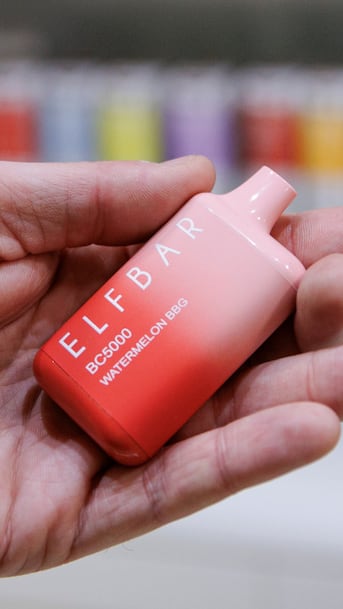 Will Canada restrict flavoured vaping? p >The federal government promised five years ago now concerning banning flavored vapes but hasn’t followed through yet despite mounting evidence suggesting it would help curb youthful engagement levels towards vaping habits; CBC’s Marina von Stackelberg sheds light into reasons causing delays.
Source link