


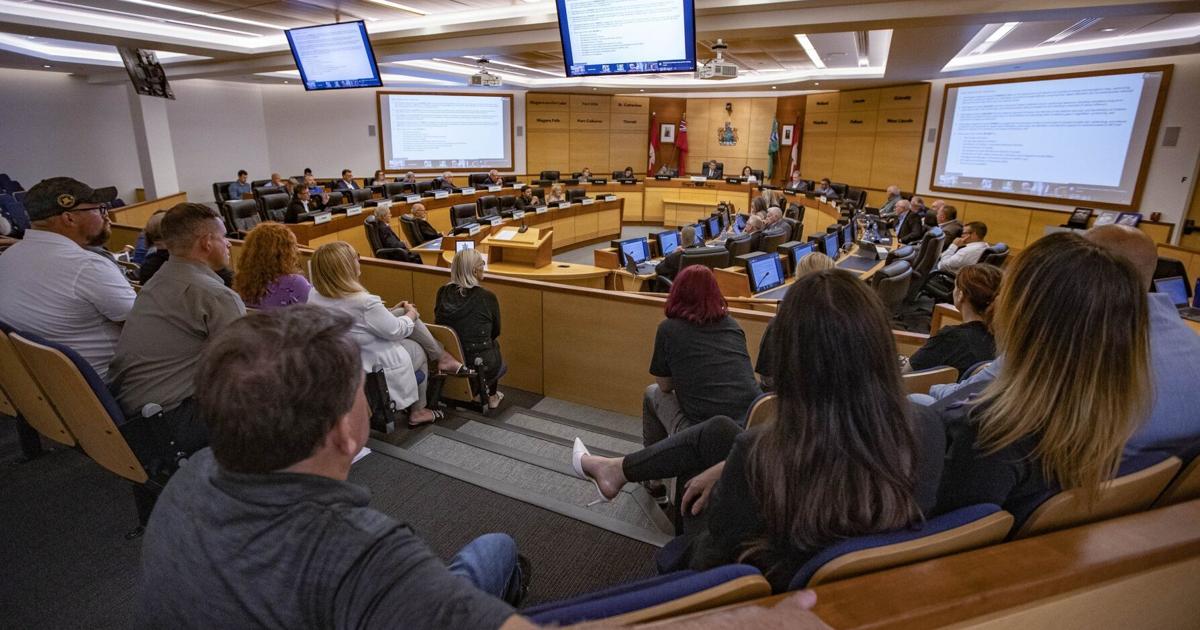
Niagara’s regional government is about to undergo a major transformation, shifting considerable authority to an unelected chair appointed by the province.
If the provincial government approves these changes as anticipated, it will steer the Region into largely uncharted political waters, altering the dynamics of power and decision-making at council meetings.
When asked about the implications of the reforms introduced under the Ford government’s Better Regional Governance Act, 2026, David Siegel, a professor emeritus of political science at Brock University, emphasized that this essentially creates a bureaucratic role with strong-mayor-like powers.
“Strong-mayor power, or whatever terminology they choose to use, carries significant weight because this individual will be appointed by the provincial government,” Siegel stated. “They won’t be elected, and they’ll wield considerable influence over events in the Niagara region.”
“Jim Bradley was appointed but lacked voting rights on council matters apart from breaking ties. I think this might quietly become one of the most consequential changes we’re witnessing.”
Ontario Municipal Affairs and Housing Minister Rob Flack presented the regional governance act on April 2 that will reduce regional council to just 12 mayors. After municipal elections in October, those mayors will employ a yet-to-be-decided weighted voting system. The bill is quickly progressing through the legislature.
Niagara Centre opposition MPP Jeff Burch, who serves as the NDP’s critic for municipal affairs and housing, indicated that a third reading of the bill is expected on Monday.
“We’re likely looking at a vote either Tuesday or Thursday,” Burch remarked.
An overview of various reports and proposed changes to Niagara’s political framework over recent times
The newly legislated powers mean that instead of staff or council proposing budgets, it’ll now fall to the regional chair. While council can make amendments to this budget proposal, any alterations can be vetoed by the chair unless overridden by council.
The chair also has authority to enact bylaws with support from one-third of council if these align with “provincial priorities,” such as constructing 1.5 million new homes by 2031 or enhancing infrastructure like roads and transit systems.
Niagara Falls Mayor Jim Diodati mentioned he has been involved in conversations with provincial officials regarding potential candidates for regional chair.
“They were seeking my thoughts on several names,” Diodati explained. “There are many individuals vying for this position-some more prominent than others. About a dozen people are interested in being chair; it’s quite an eclectic group. I’m not making decisions here; I simply offered my perspective based on experience.”
“We’re navigating unfamiliar territory. No one truly knows how things will unfold, but I generally feel that maintaining things as they are in Niagara isn’t sustainable.”
Diodati highlighted residential tax rates sitting at 14.2 percent and industrial rates at 24.3 percent-both exceeding provincial averages.
“I constantly hear complaints about high taxes wherever I go,” Diodati noted. “People feel they aren’t getting enough value for their money. We’re burdened with substantial debt and servicing costs.”
“The ratio of municipal politicians to residents is quite high here-essentially one politician per 4,200 residents in Niagara compared to Hamilton’s one per 37,000 and Toronto’s one per 108,000.”
“In Niagara there are around 20 employees for every 1,000 residents; Hamilton has just 14 employees per thousand.”
Diodati also pointed out that efforts towards shared services among municipalities have largely failed.
“Attempts were made like sharing fire chiefs between Wainfleet and Port Colborne or fire services between Grimsby and Lincoln; even shared economic development initiatives didn’t pan out-all efforts were primarily due to fears surrounding amalgamation,” he said.
Diodati referred vaguely to other stalled discussions but dismissed ideas suggesting these changes stem from power moves by larger city mayors within Niagara.
“CAOs are struggling because there isn’t enough motivation behind these initiatives for two reasons,” he commented. “First off, staff aren’t keen on merging positions if it means losing jobs; secondly politicians aren’t going to vote away their paid roles.”
Diodati expressed his reluctance towards top-down governance reform processes but acknowledged it’s likely necessary given how long current structures have been intact since 1970.”
“It requires courage if we’re serious about making sound choices,” he emphasized adding an analogy comparing decision-making processes akin vineyards needing pruning now then again later-that some measures should eliminate weaker parts so stronger results emerge moving forward.”
The Standard reached out multiple times last week via emails directed through Flack’s acting press secretary hoping readers might gain clarity regarding reform details along with specifics concerning appointing chairs-but received no reply back thus far.
A handful of names reportedly forwarded within trusted circles seem currently under consideration including Lincoln Regional Coun Rob Foster; Welland Mayor Frank Campion alongside former president/general manager Noel Buckley tied directly linked toward operations occurring inside Niagara Falls Convention Centre previously prior past too former Progressive Conservative MPP Bart Maves serving as well previous area councillor there too.
Lincoln Coun Rob Foster stands listed among those considered potentials next upcoming prospective new regional leaders ahead.
Metroland file photo
The ministry declined commenting upon queries submitted via The Standard requesting insights regarding vetting procedures surrounding next chosen leadership following previous controversy stemming past appointments made back December involving former regional representative Bob Gale thereafter resigning March ending shortly thereafter resulting from backlash tied circumstances involving owning historically infamous book authored once Adolf Hitler himself titled ‘Mein Kampf’ during brief time spent held office before departure step down situation occurred amid ongoing situations influencing overall community morale expectations greatly lost trust amongst citizens.
Foster along side Campion both refrained commentating while Buckley remained travelling elsewhere inaccessible reaching comment status today although Maves acknowledged awareness having heard his name circulating too around regions lately throughout communities near me personally interacting local populace meanwhile maintained dialogue sparking conversations held town halls focused primarily discussing governmental shifts witnessed recently surrounding impact responsibilities associated chairs noting until true inquiry arises instigating communication actions needed collectively working together doesn’t quite constitute anything finalized yet otherwise remains speculation alone still presently.’
Former Progressive Conservative MPP Bart Maves appears listed within possible options designated becoming eventual replacement figurehead leader governing region itself.
file photo
Overall indications suggest movement occurring soon fostering potentially significant revisions aimed reshaping outlook stimulating better opportunities overall supporting businesses operating functionally right here locally beneath jurisdictional limits visible outside specified boundaries aligned further enhancing viability success chances showcasing broader benefits available built industries integrated thoroughly across entire sectors encompassing community endeavors undertaken collaboratively always forth coming encouraging positive developments happening daily regardless trying any pending timelines imposed artificially set arbitrarily without clear understanding prioritizing needs addressed timely remaining priority goals met equally pursued diligently.’ p >
Although rumors persist indicating province delaying appointment process overseeing transition timeframe possibly stretching beyond set date scheduled arriving immediately after municipal elections slated October twenty-sixth’ raising questions around urgency felt addressing internal matters quickly resolved reasonably before taking effect shortly afterwards leading up time frame approaching closer toward end period considering current position salaries involve varying levels ranging low here located roughly sixteen thousand under average benchmarked figures situated amongst peers neighboring Halton York Durham Peel Waterloo areas respective counterparts positioning higher figures respectively calculated accordingly attached justified variances discovered contributing explanation necessary adjustments decided forthcoming dictated trends expected matched projections monitored continuously across involved factors observed closely ensuring fiscal accountability achieved sustained continually throughout process governed properly maintained required standards upheld confirmed consistently examined accurately reviewed each stage encapsulated fully considered expected future shifts impacted decisively.
Source link