





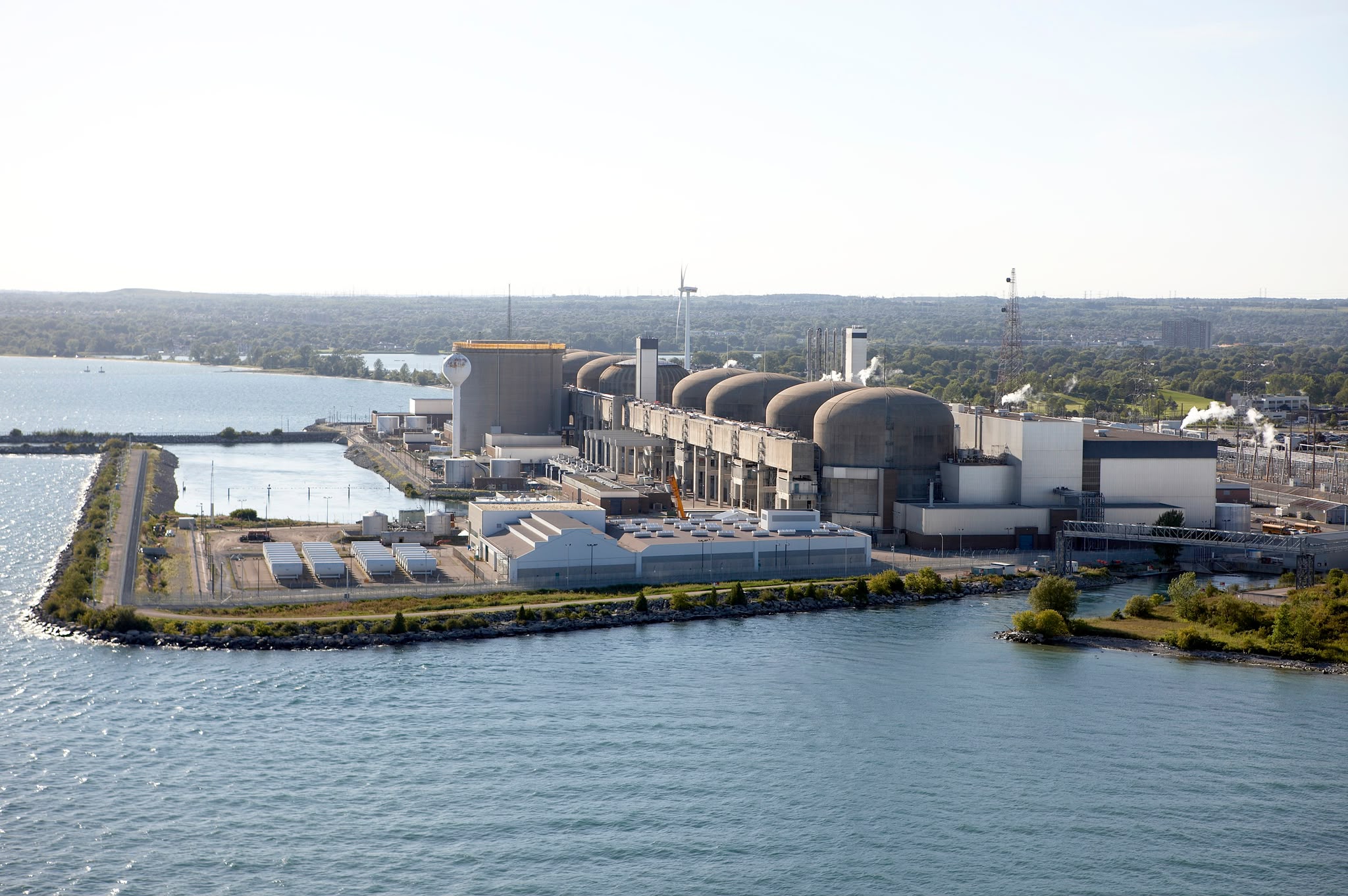
An aerial view of Ontario Power Generation’s Pickering Nuclear Generating Station along the shore of Lake Ontario. (Photo via Ontario Power Generation website.) Sep 21, 2026 Wesal TV (Pickering, Ont.): Ontario has kicked off a $26.8-billion refurbishment of four reactors at the Pickering Nuclear Generating Station. The provincial government claims this project will ensure dependable electricity for many years to come. Some critics have raised concerns about the costs associated with the Ford government’s nuclear energy initiatives and the province’s increasing dependence on this power source. According to the government, this $26.8-billion refurbishment aims to extend the operational life of Pickering’s four CANDU reactors by as much as 38 years, ultimately generating enough electricity for around 2.2 million homes. The project is expected to create roughly 30,500 jobs during its construction phase, as stated by the Ontario ministry of energy and mines. Energy Minister Stephen Lecce mentioned in a news conference on Monday that this initiative will bolster Ontario’s energy supply while creating jobs and ensuring that over 90 percent of project expenditures remain within Ontario and Canada. “Today, we are marking a national achievement as we begin work on Canada’s largest clean energy infrastructure project and strengthen our made-in-Ontario nuclear supply chain,” Lecce said. The ministry has indicated that the refurbishment process will include replacing 1,520 fuel channels and 48 boilers, alongside constructing a 1.5-kilometre deep-water intake. This month marks the offline status for all four reactors, with significant refurbishment work projected to start in January 2027, pending necessary regulatory approvals. The updated units are anticipated to be back online in the mid-2030s. Ontario expects its electricity demand could rise by up to 90 percent by 2050 due to population increases, new housing developments, electrification efforts, advanced manufacturing growth, and expansions in critical minerals supply chains. The Ford government is investing billions into new nuclear facilities, refurbishments, and small modular reactors as part of a comprehensive electricity strategy. The province asserts that its nuclear expansion plan could generate up to 150,000 jobs while contributing over $800 billion to the provincial economy-while also delivering “reliable, affordable and clean electricity for homes, businesses and future growth.” Environmental advocates have expressed worries regarding both the financial implications of nuclear power and potential emissions when Pickering’s reactors are not operational. Clean-energy supporters believe that Ontario could fulfill future electricity demands more economically through increased use of wind power, solar energy, battery storage solutions, and enhanced energy efficiency measures. Environmental Defence has also voiced concerns about how taking Pickering’s reactors offline may lead to greater reliance on natural gas for electricity generation-resulting in higher greenhouse gas emissions. The government contends that this refurbishment aligns with a long-term strategy aimed at reducing emissions. Currently, nuclear power supplies approximately half of the province’s electricity needs. The province claims that Ontario’s nuclear sector currently supports around 80,000 jobs throughout various communities across its borders. “Ontario’s investments in critical infrastructure and our key industries are creating new opportunities for workers across the province,” said Trevor Jones, minister of labour, immigration, training and skills development. “At a time of global economic uncertainty we are creating good-paying jobs here at home and ensuring our workers have access to the training they need to seize them. By expanding access to apprenticeships and skills training we are building the workforce Ontario needs to deliver major projects like the Pickering refurbishment and support our continued growth.”
Source link