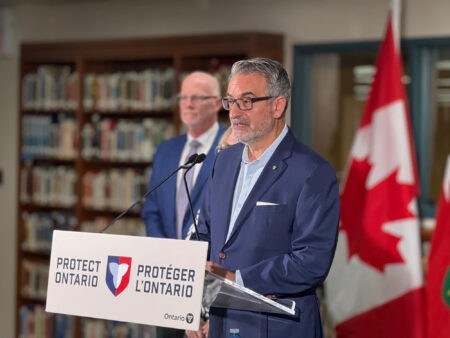





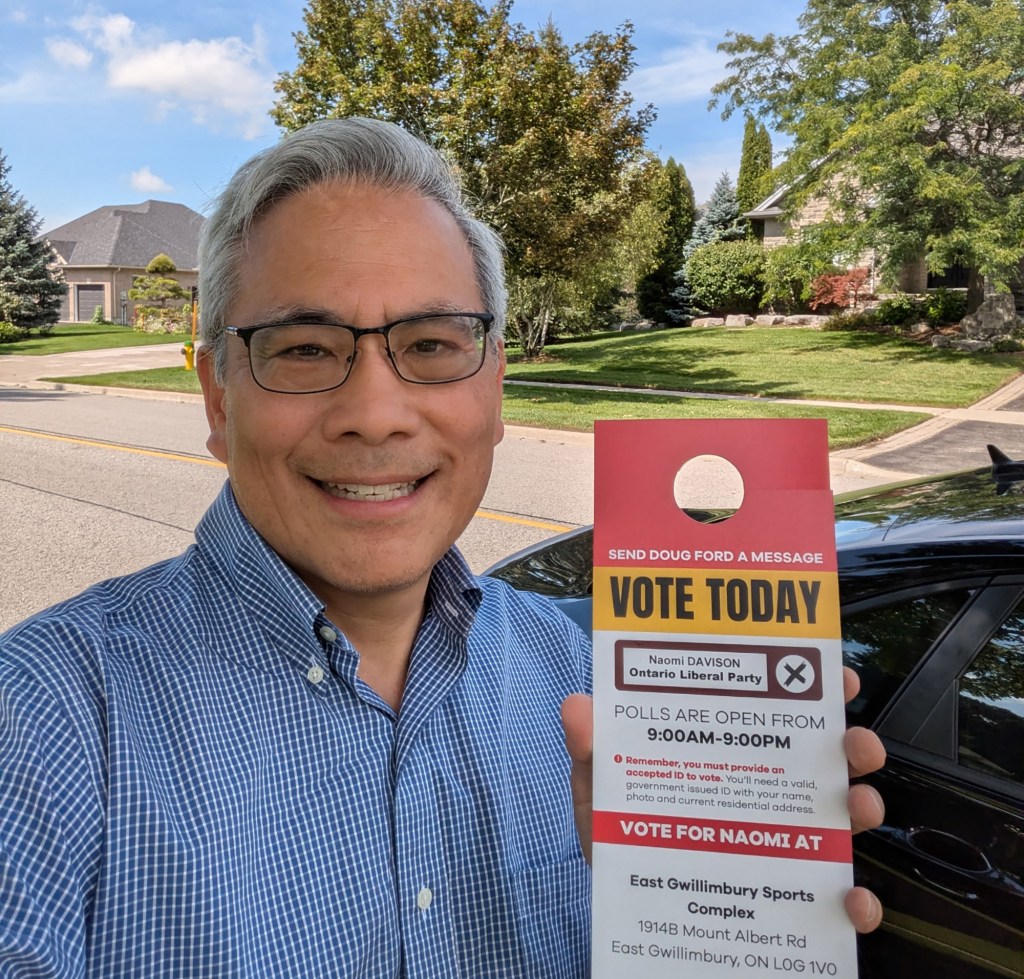
Ted Hsu, the Member of Provincial Parliament for Kingston and the Islands, mentioned he has received numerous complaints from teachers regarding the new classroom supplies program introduced by the Ontario government.
Hsu spoke via phone on Thursday while campaigning for the Ontario Liberal Party in York-Simcoe, where a provincial byelection is taking place following the resignation of former Progressive Conservative cabinet minister Caroline Mulroney.
He paused briefly from his campaign to address his constituents’ worries, which include issues related to pricing and shipping costs as well as limitations on available products and eligibility criteria.
According to feedback shared on his social media platforms and sent directly to him, many teachers feel frustrated by the province’s choice to provide eligible elementary classroom teachers with a $750 yearly supply budget through an online Staples portal instead of letting them shop freely.
“Teachers are telling us a lot of things,” Hsu said in an interview. “Some are technical issues, and some things are simply wrong with the program.”
The Classroom Supplies Fund was announced by Premier Doug Ford in March and offers eligible elementary teachers up to $750 each year to buy classroom materials through a portal managed by Staples Professional, which was chosen through a Supply Ontario procurement process.
The province stated that this program aims to ensure that teachers no longer need to pay out of their own pockets for classroom supplies and that orders would be shipped directly to schools using this online system.
However, since its launch this week, criticism has been growing.
The government should have consulted teachers and designed a system that actually works
Tedd Hsu MPP, Kingston and the Islands
Teachers noticed that some products were listed at higher prices than identical items found on Staples’ public retail website, leading Education Minister Paul Calandra to admit there might have been pricing “mistakes.”
Hsu noted one common complaint is from teachers who bought supplies before they had access to the portal.
“Many teachers wanted to be ready for the start of school, so they went out and spent their own money on supplies,” he said. “They did this before the portal opened.”
He pointed out that historically teachers have used personal funds for classroom materials and can claim back certain purchases via the federal Eligible Educator School Supply Tax Credit but emphasized that’s not quite like getting reimbursed.
Hsu also raised concerns about whether the portal provides enough flexibility.
“There are also things that simply can’t be purchased through the portal,” he said. “Science materials, music supplies and other specialty items aren’t always available.”
Another issue brought up by educators is a reported cap of 21 units per item when some classrooms have more than 21 students.
“Where did they get this number?” he scoffed. “It doesn’t make sense when you have nearly 24 or sometimes 28 students in a class.”
Comments on Hsu’s Facebook page reflected many of these concerns.
Diane Chau, identifying herself as a teacher, expressed her frustration over being limited to one retailer after years of making do with discount stores, thrift shops, and online marketplaces.
“Teachers are looking for quality items that will meet the needs of their students at reasonable/affordable prices to stretch their budget,” Chau wrote. “Staples is neither reasonable nor affordable.”
So why limit options?
How does it help?
How does it help?
| This content may contain affiliate links. Please read ourprivacy policy. | ||