





Energi Media journalism in video, audio, and essays
You Tube Channel: Video energy news
Substack Essays: Thoughtful Energy Journalism
Energi Talks Audio Podcast
Website: Energy news
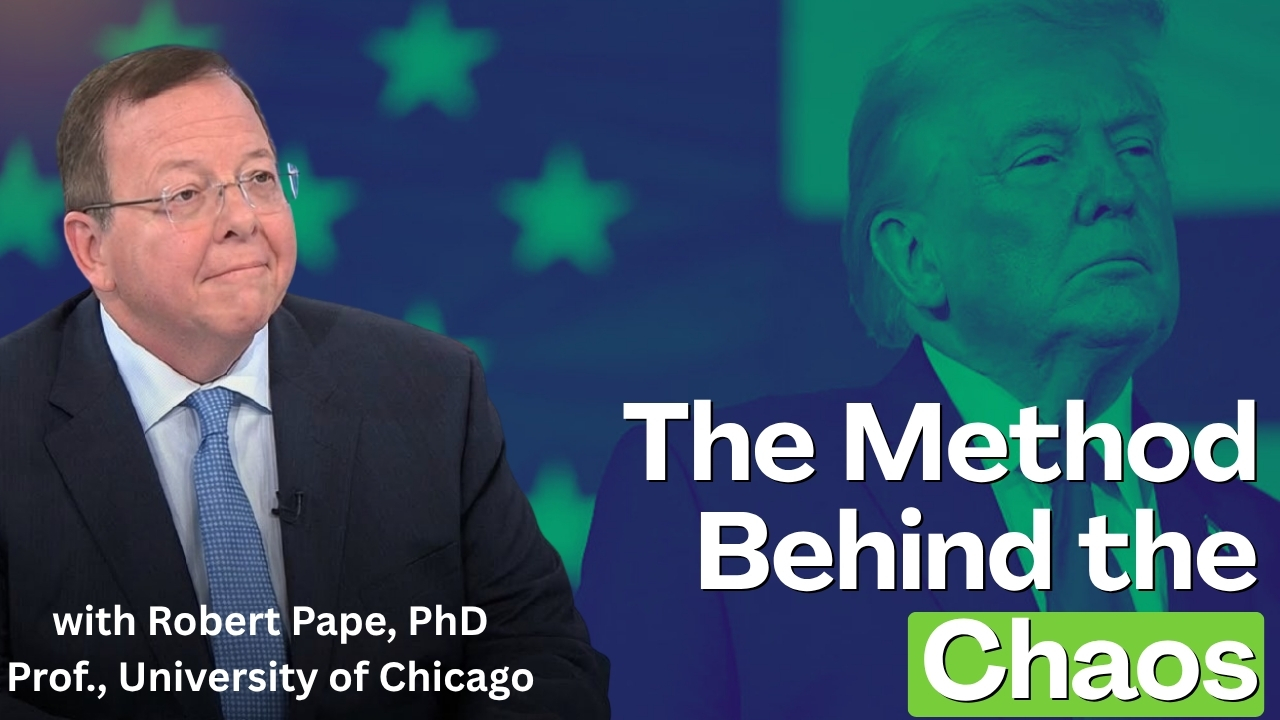
Donald Trump’s increasing aggression towards Canada might seem random, but University of Chicago political scientist Robert Pape points out there’s a steady strategy behind it: punishment.
“Donald Trump has one basic strategic approach: punishment,” Pape told Energi Media. According to him, Trump applies maximum pressure because he believes that opponents will offer something valuable in return. This tactic shows up not only in his domestic political battles but also in how he interacts with allies, competitors, and adversaries internationally.
Canada is now feeling the impact of this power dynamic through tariffs. Pape suggests that analyzing the situation purely from a trade economics perspective doesn’t make much sense since Trump is chasing a different political goal.
“He’s not doing international trade,” Pape explained. “He’s doing MAGA domestic politics on the world stage.”
Pape connects this political behavior to blue-collar Americans who feel that globalization has pushed well-paying manufacturing jobs out of the U. S. over the last thirty years. That frustration often gets directed at competitors and trading partners like Canada, even when both economies would benefit from closer ties.
This argument sheds light on why advanced Canadian manufacturing sectors are significant targets. Energi Media’s analysis of Canadian trade and industrial data reveals a clear overlap between industries affected by U. S. tariffs and those like autos, electrical equipment, and electronics – exactly the types of manufacturing jobs Trump aims to bring back to America.
From the viewpoint of MAGA voters, Canada’s success in these sectors may seem like proof that American workers have lost ground while their neighbors gained an advantage. Therefore, what they want isn’t just improved trade deals; “They want payback,” he said.
Pape also notes a key weakness in this punishment strategy. Coercion can sometimes succeed at home when Trump can impose heavy legal or financial burdens on weaker opponents. However, internationally speaking, giving in today won’t guarantee protection against future demands tomorrow.
His advice for Canadian policymakers is clear: don’t mistake threats for proof that giving in will resolve conflicts. In global politics, there’s no authority preventing a stronger nation from returning with new demands after a weaker one concedes. His simple saying was clear: “once you give a dime, you’re in for a dollar.” While resisting can be costly, repeated concessions could lead to even greater risks.
That’s why Pape believes Canada should push back instead of yielding to coercion. He supports Prime Minister Mark Carney’s broader response which includes retaliating when necessary, protecting vulnerable Canadian industries, and diversifying trade to lessen reliance on the U. S. market.
Canadians should also brace themselves for ongoing pressure. Pape indicates that Trump’s tactics stem from MAGA politics rather than just his personality; thus any future Republican leader might adopt similar blue-collar economic strategies even if they use different methods.
For Canada, this means that the current trade conflict goes beyond just one president; it’s indicative of deeper shifts within American politics – serving as a reminder that restoring Canadian economic independence could take considerable time and effort.
! function(e, n, t){var o, c=e. get Elements By Tag Name(n)[0]; e. get Element By Id(t)||(o=e. create Element(n), o. id=t, o. src=”https://connect. facebook. net/en_US/sdk. js#xfbml=1&version=v24.0″, c. parent Node. insert Before(o, c))}(document,”script”,”facebook-jssdk”);! function(e, n, t){var o, c=e. get Elements By Tag Name(n)[0]; e. get Element By Id(t)||(o=e. create Element(n), o. id=t, o. src=”https://connect. facebook. net/en_US/sdk. js#xfbml=1&version=v24.0″, c. parent Node. insert Before(o, c))}(document,”script”,”facebook-jssdk”);
Source link