


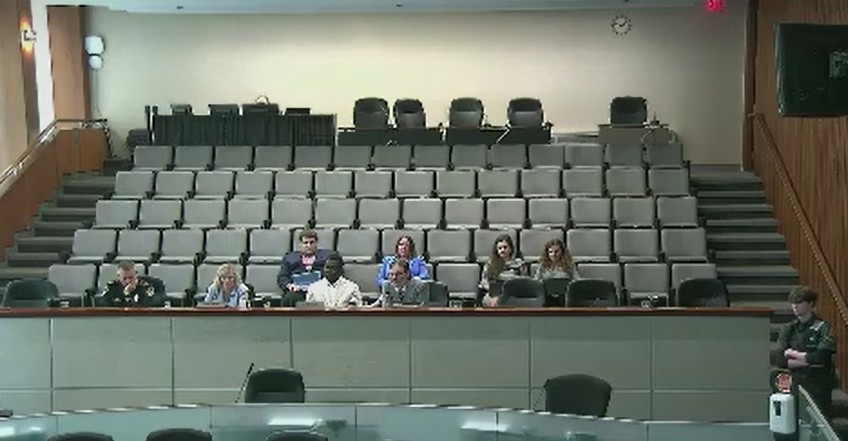
When she speaks to the council and committees, Grace Mater, General Manager of Healthy and Safe Communities, always stays calm. However, you can’t help but wonder what she thinks privately about Hafeez Hussein, who frequently delegates and communicates with the council. Hussein has an MBA and a Bachelor of Commerce along with several other certifications. He brings a wealth of experience from the insurance industry and is skilled in actuarial analysis and risk assessment. Right now, he’s making things quite difficult for the Ontario Works division that falls under Mater’s responsibilities.
This all began a couple of years ago when Hussein’s retired father rented out a house he owned in Hamilton to tenants receiving Ontario Works benefits. To secure the rental agreement, these tenants provided fake employment details and false references from past landlords. Eventually, they were evicted for failing to pay rent and left behind thousands of dollars in damages. This situation caught Hafeez’s attention regarding how closely Ontario Works monitors its program operations. He also met Ayesha Asghar, whose struggle to remove squatters from a property she bought received significant media coverage. In Ayesha’s case, she ended up with over $10,000 in unpaid rent alongside $40,000 in necessary repairs. Once she regained control of her unit, Ayesha began receiving letters from Hamilton Ontario Works addressed to as many as ten individuals claiming shelter allowance using her address as their residence. She alerted the OW office about this apparent fraud happening right under their noses. Last year, Ayesha was outraged to find out that some of those same tenants were highlighted in a Spectator article as being among the first allowed into the Barton Tiffany emergency shelter.
Returning to Hafeez: even though his father sold the house after the vacant unit tax came into play, he started digging deeper into how other communities handle welfare fraud by filing Freedom of Information requests in Hamilton’s case while also getting voluntary cooperation from different regions. His findings suggested that Hamilton wasn’t very proactive when it comes to referring cases of fraud to law enforcement or recovering what is known within Ontario Works circles as “overpayments.” Since then, Hussein has been on a mission to assess how strict Hamilton’s OW office truly is and has regularly communicated his concerns during council meetings about potential inaccuracies in presented information. The city’s Auditor General has since launched an investigation that will be discussed after October’s election.
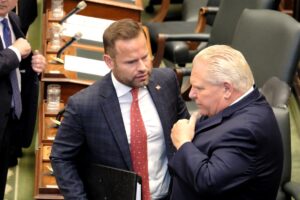
In light of Hussein’s worries, council instructed staff members to compile a report comparing Hamilton’s OW operations with those in other Ontario communities-particularly Peel Region-regarding managing overpayments and referring fraud cases for police investigation. That report was shared with councillors on Thursday along with both a detailed letter from Hafeez and his video appearance disputing some claims made within it. One aspect that council specifically requested was how Hamilton fares against other municipalities concerning reporting fraud incidents to law enforcement agencies. The report revealed that Hamilton had made just one complaint over four years but didn’t provide any comparisons with other areas; Committee Chair Brad Clark questioned why that was.
The staff report did share some new insights including information stating that according to provincial legislation an individual cannot be denied benefits even if they have committed fraud previously. Currently, Hamilton’s total balance for overpayments spanning numerous years exceeds $56 million-with $5 million attributed just within the last four years.
Source link
Source link