





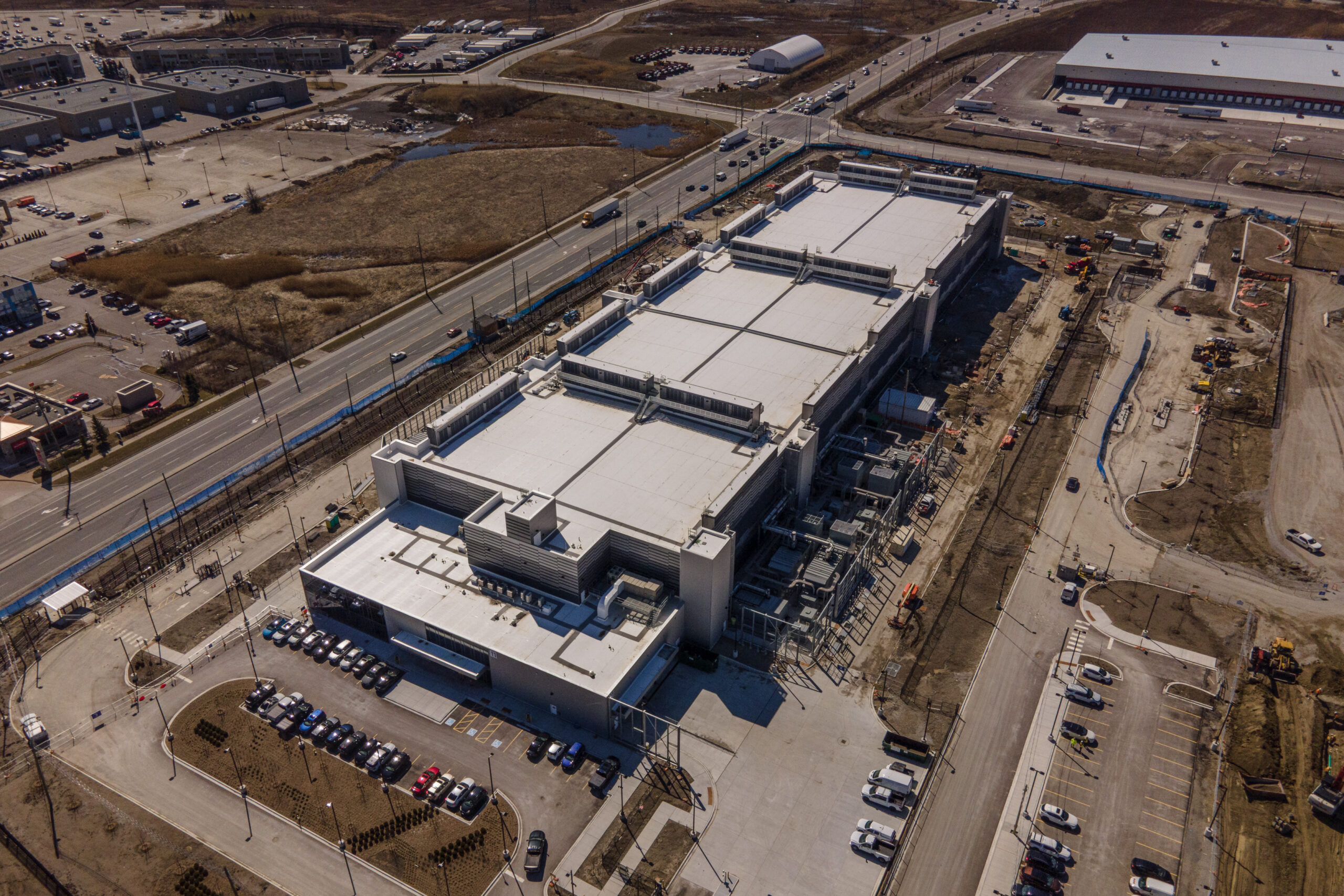
Microsoft is investing billions to increase the number of data centres in Ontario, assuring residents that this won’t raise their electricity bills.
Recently, the province announced it is “welcoming a multi-billion-dollar investment” from Microsoft, which will enhance cloud and artificial intelligence infrastructure in the Greater Toronto Area (GTA), particularly in Vaughan. This funding comes as the province prepares regulations that will guide how data centres are approved and shape Ontario’s future energy needs.
Simultaneously, Microsoft has introduced its “Community-First approach to AI infrastructure” commitments for Canada. Matt Milton, president of Microsoft Canada, mentioned that Canadians have “real questions about affordability, energy and water use, jobs, and the impact large-scale infrastructure has on local communities.”
Screenshot from Microsoft
To tackle these issues, the company will “pay the full cost of the electricity we use, including the cost of new generation, transmission, and grid upgrades,” wrote Milton. He also noted that Microsoft aims to “minimize water use,” another significant concern related to data centre growth.
This funding is part of a larger $19-billion investment by Microsoft aimed at developing data centres across projects planned between 2023 and 2027 in both the GTA and Quebec. Last year, they announced over $7.5 billion would be allocated to projects within two years.
previously identified three proposed data centres by Microsoft: one planned for Vaughan needing about 50MW of power; another in Etobicoke with a similar energy requirement; and a third in Markham needing approximately 100MW. Together, these three facilities would require nearly 200 MW – roughly equivalent to what about 200,000 homes consume annually.
The new Vaughan data centre is nearing completion and has received positive remarks from Mayor Steven Del Duca who stated that it will create “jobs and long-term opportunities for our residents.” The centre is expected to provide support for 1,000 construction jobs along with 250 permanent roles once it becomes operational.
Although local reactions in Vaughan are positive regarding Microsoft’s expansion plans, there are broader concerns about increasing data centres across Canada. These developments are significantly larger than nearly 100 existing ones in Ontario; some only consume one MW. The province indicates there’s interest in constructing up to 6,500 MW worth of new data centres – around 30 percent of its current peak electricity usage.
In Toronto last month, city council voted for staff to report on AI data centres’ impacts on urban life-marking a first for the municipality.
Microsoft’s announcement coincides with provincial efforts drafting regulations on how data centre approvals are handled. This marks a shift from the existing first-come-first-served model currently employed by Ontario’s Independent Energy System Operator (IESO). The new rules will grant power to the minister of energy and mines for unilateral approval of projects deemed beneficial for provincial economic interests. These regulations were initiated by Bill 40 (also known as Protect Ontario by Securing Affordable Energy for Generations Act), which aims to prioritize projects providing local benefits according to provincial statements.
However, experts have expressed worries that granting such authority to Doug Ford’s government might undermine community-focused development within the growing data centre industry. Since taking office, Ford has frequently utilized ministerial zoning orders-allowing provincial authorities expedited approval processes regardless of local planning or land-use regulations.
Source link